
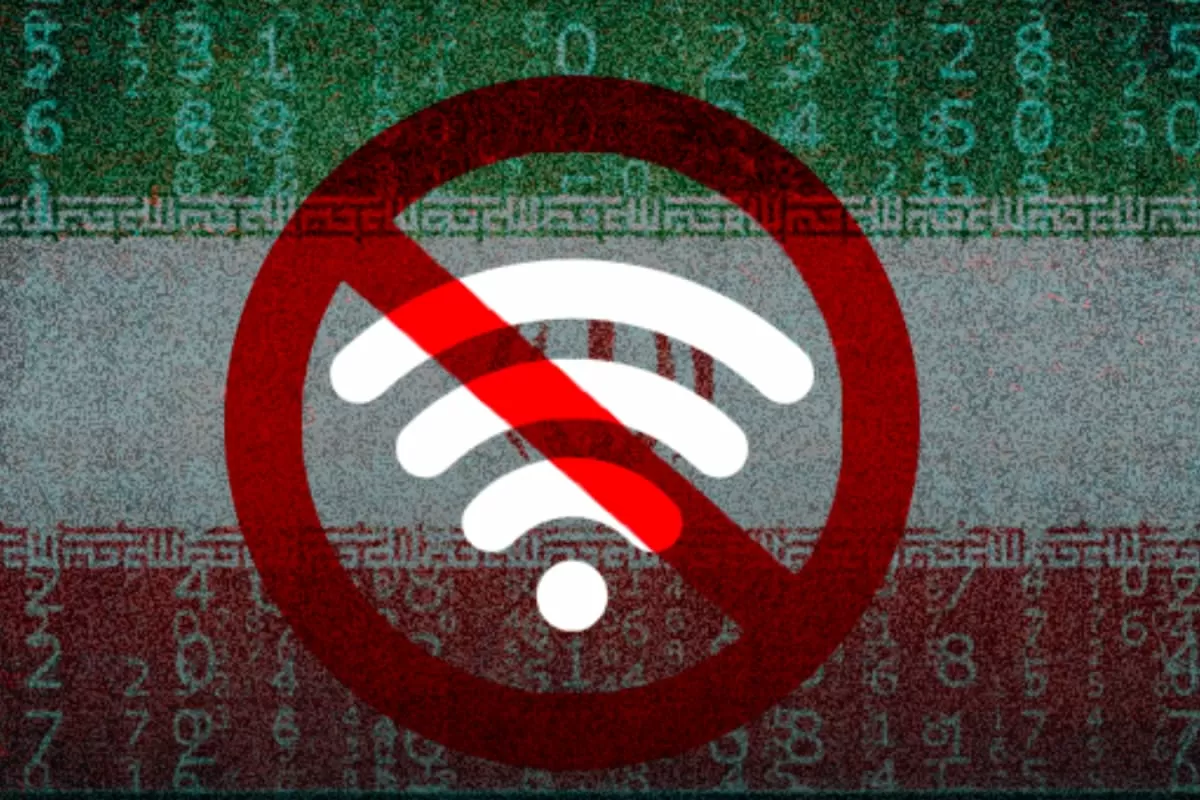
Iran’s Internet Blackout: A Growing Concern
Iran’s internet blackout has now surpassed 120 hours, leaving citizens and the international community increasingly concerned about the situation. The blackout, which began on November 16th, has been enforced by the Iranian government and has resulted in a complete shutdown of internet access in the country.
The blackout was initially implemented in response to widespread protests that erupted across Iran after the government announced a sudden increase in fuel prices. However, as the blackout continues, the situation has become more alarming with reports that it is now being actively enforced by the government.
The lack of internet access has had a severe impact on the daily lives of Iranians, as well as the country’s economy. The internet blackout has disrupted communication and information flow, making it difficult for citizens to stay connected with loved ones and for businesses to operate effectively. This has resulted in a significant loss of productivity and revenue for the country.
Moreover, the blackout has also hindered access to vital services such as healthcare, education, and banking. With internet access being a crucial tool for accessing these services in today’s digital world, the blackout has caused immense frustration and inconvenience for Iranian citizens.
The international community has also expressed deep concern over the situation in Iran. The United Nations has called for the restoration of internet access, stating that it is a basic human right and essential for the exercise of freedom of expression and access to information.
The blackout has also sparked protests and condemnation from human rights organizations and activists around the world. They have called on the Iranian government to respect the rights of its citizens and to stop the suppression of free speech and expression.
In response to these concerns, the Iranian government has claimed that the internet blackout is necessary for maintaining national security and preventing the spread of false information and propaganda. However, it is clear that the blackout is a violation of the basic rights of the Iranian people.
The government’s actions have been met with widespread condemnation, and many are calling for an immediate end to the internet blackout. The longer it continues, the more the situation in Iran will deteriorate, causing irreparable damage to the country and its people.
In this digital age, internet access has become an essential tool for communication, information sharing, and economic growth. The Iranian government’s decision to enforce an internet blackout not only violates the rights of its citizens but also hinders the country’s progress and development.
As the situation in Iran remains uncertain, it is crucial for the international community to continue to closely monitor the situation and put pressure on the Iranian government to end the internet blackout. The people of Iran deserve to have their basic rights respected, and the restoration of internet access is a crucial step towards achieving this.
In conclusion, the internet blackout in Iran has now surpassed 120 hours, causing significant disruption to the daily lives of citizens and the country’s economy. The situation has become increasingly alarming with reports of active enforcement by the government. It is essential for the Iranian government to recognize the impact of this blackout on its citizens and take immediate steps to restore internet access. The international community must also continue to voice their concerns and work towards a resolution that respects the rights and freedoms of the Iranian people.
