
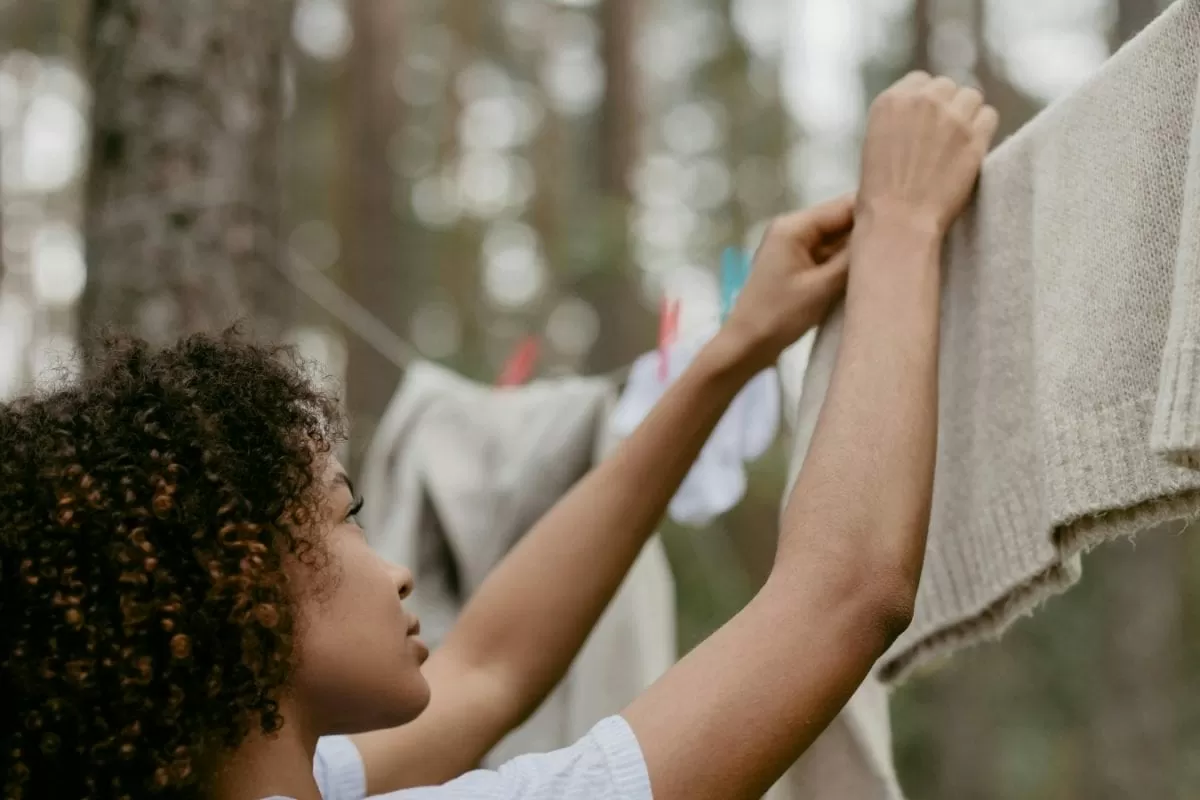
Handloom clothes have been a part of our culture and tradition for centuries. The intricate designs, vibrant colors, and unique textures make them a popular choice among many. However, not many people are aware of the fact that these handloom clothes require special care while wearing and storing them. This is because they are prone to corrosion and discolouration from the environment.
Handloom clothes are made using natural fibers like cotton, silk, and wool, which are highly susceptible to damage from external factors. The harsh chemicals, pollution, and even sunlight can cause these fabrics to lose their color, texture, and overall quality. This is why it is essential to handle them with care to preserve their beauty and longevity.
When wearing handloom clothes, it is important to be mindful of the activities you engage in. Avoid wearing them while cooking, cleaning, or doing any other task that involves exposure to chemicals or heat. These can cause the fabric to weaken, resulting in tears and discoloration. It is also advisable to wear a scarf or stole over your handloom clothes to protect them from direct sunlight.
Furthermore, it is crucial to wash handloom clothes with gentle detergents and in cold water. Harsh chemicals in regular detergents can cause the fabric to lose its color and texture. Also, avoid using a dryer to dry these clothes as the heat can damage the fibers. Instead, let them air dry in a shaded area.
Storing handloom clothes is also a crucial aspect of their care. It is recommended to store them in a cool, dry place away from direct sunlight. Excessive exposure to sunlight can cause the fabric to fade and lose its color. Moreover, it is best to avoid hanging them in a wardrobe for an extended period as the weight of the fabric can cause it to stretch and lose its shape.
To protect handloom clothes from moisture, it is advisable to add a few neem leaves or cloves in the storage area. These natural remedies act as a repellent and prevent the growth of mold or mildew, which can damage the fabric. Additionally, it is crucial to store handloom clothes in a breathable fabric bag or wrap them in a muslin cloth. This will protect them from dust and insects while allowing the fabric to breathe.
Another important aspect to keep in mind while storing handloom clothes is to avoid using plastic covers or bags. These can trap moisture, leading to the growth of bacteria and fungus, which can cause discoloration and damage to the fabric. Moreover, plastic bags do not allow the fabric to breathe, which can result in a musty smell.
In case of stains on handloom clothes, it is best to address them immediately. Avoid using harsh chemicals or bleach to remove the stain as it can cause irreparable damage to the fabric. Instead, use natural remedies like lemon juice or baking soda to gently remove the stain without harming the fabric.
Handloom clothes are not just pieces of clothing; they are works of art. The weavers put in their time, effort, and skill to create these beautiful pieces. Therefore, it is our responsibility to treat them with the utmost care and respect. By following these simple tips, we can ensure that our handloom clothes maintain their beauty and quality for years to come.
Moreover, by taking care of these handloom clothes, we are also supporting the weavers and their families who rely on this traditional art form for their livelihood. By preserving these handloom fabrics, we are preserving our culture and heritage.
In conclusion, handloom clothes must be treated with care while wearing and storing them. By being mindful of our actions and following these simple tips, we can ensure that these beautiful fabrics remain a part of our lives for generations to come. Let us appreciate and cherish the beauty of handloom clothes by giving them the care and respect they deserve.
