
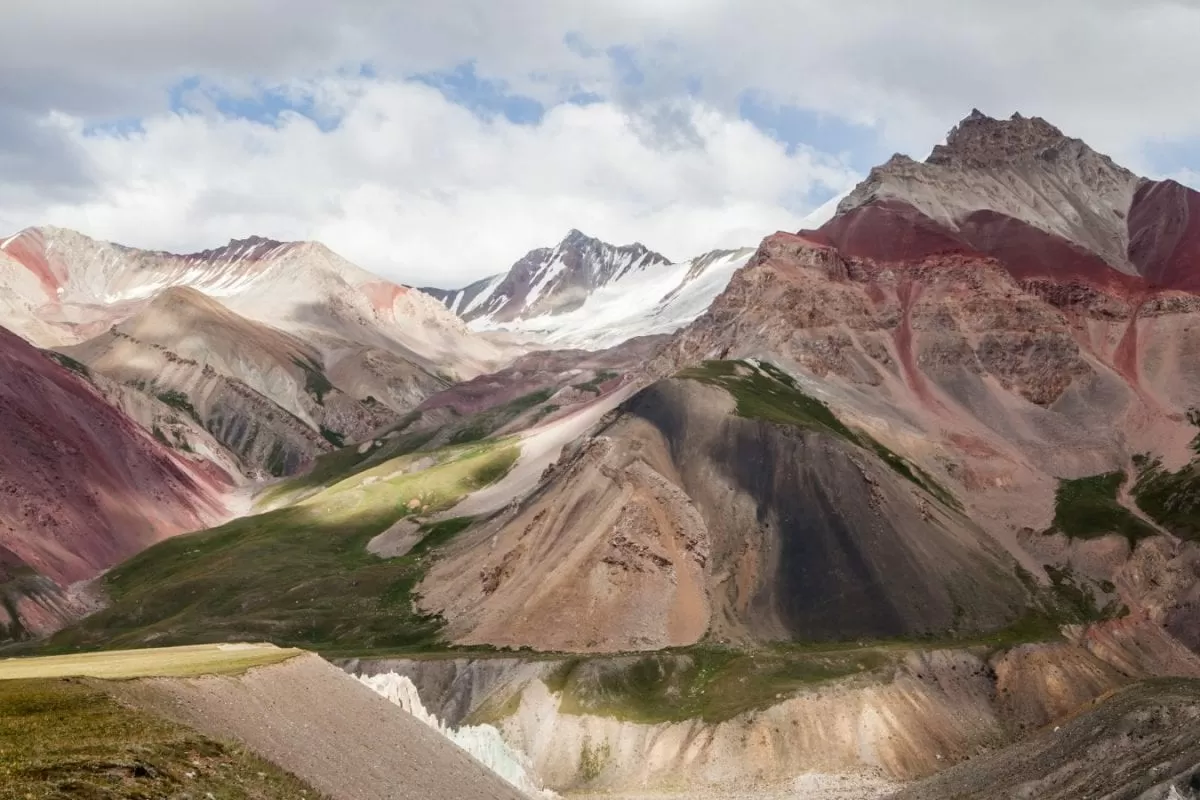
The earth is a vast and diverse planet, filled with majestic landscapes and breathtaking natural wonders. Among these, one particular feature stands out for its sheer size and grandeur – plateaus. These elevated landforms have captured the imagination of humans for centuries, and one of the most impressive among them is the Tibetan Plateau, also known as the “Roof of the World”. Spread across an area of 2.5 million square kilometers, it forms one of the highest plateaus on earth and is a testament to the incredible forces of nature.
Located in the heart of Asia, the Tibetan Plateau is bordered by the mighty Himalayas to the south and the Kunlun Mountains to the north. It is also surrounded by the Karakoram and Pamir mountain ranges, making it a truly unique and isolated landmass. The average elevation of the plateau is around 4,500 meters, with some areas reaching heights of over 5,000 meters. This makes it not only the highest plateau but also the highest region on earth, earning it the title of “Roof of the World”.
The Tibetan Plateau is a land of extremes, with its high altitude and harsh climate making it a challenging environment for life to thrive. Yet, it is home to a diverse range of flora and fauna, many of which are found nowhere else on earth. The plateau is also the source of some of the world’s major rivers, including the Indus, Ganges, Brahmaputra, and Yangtze. These rivers provide water to millions of people and support a rich ecosystem that is vital to the region’s biodiversity.
One of the most striking features of the Tibetan Plateau is its unique geological formation. It is a result of the collision between the Indian and Eurasian tectonic plates, which began around 50 million years ago. This ongoing collision has led to the formation of the Himalayas and the Tibetan Plateau, making it one of the youngest and most dynamic landforms on earth. The plateau is also home to some of the world’s highest peaks, including Mount Everest, which stands tall at 8,848 meters.
The Tibetan Plateau is not only a natural wonder but also a cultural and spiritual hub. It is the birthplace of Tibetan Buddhism and is dotted with numerous monasteries and temples, each with its unique history and significance. The people of Tibet have a deep connection with their land, and their way of life is closely intertwined with the plateau’s rugged terrain and extreme climate. The plateau is also home to many nomadic communities who have been living here for centuries, preserving their traditional way of life and culture.
The Tibetan Plateau is also a vital part of the global ecosystem, playing a crucial role in regulating the earth’s climate. Its high altitude and vast expanse of grasslands act as a carbon sink, absorbing a significant amount of carbon dioxide from the atmosphere. This makes it an essential ally in the fight against climate change and highlights the need for its conservation and protection.
Despite its immense natural and cultural significance, the Tibetan Plateau faces many challenges and threats. Climate change, overgrazing, and human activities such as mining and infrastructure development pose a significant risk to the fragile ecosystem of the plateau. The melting of glaciers and permafrost due to rising temperatures also has severe consequences for the region’s water resources and the livelihoods of its inhabitants.
To ensure the preservation of this unique and precious land, it is crucial to raise awareness about its importance and implement sustainable practices. Governments, organizations, and individuals must come together to protect the Tibetan Plateau and its inhabitants. Efforts must be made to reduce carbon emissions, promote eco-tourism, and support local communities to maintain their traditional way of life in harmony with nature.
In conclusion, the Tibetan Plateau is a remarkable landform that holds immense significance for our planet. Its high altitude, unique geological formation, and rich biodiversity make it one of the most extraordinary places on earth. It is a testament to the incredible power of nature and a reminder of the need to protect and preserve our planet’s natural wonders. Let us all join hands to ensure that the “Roof of the World” remains a source of wonder and inspiration for generations to come.
