
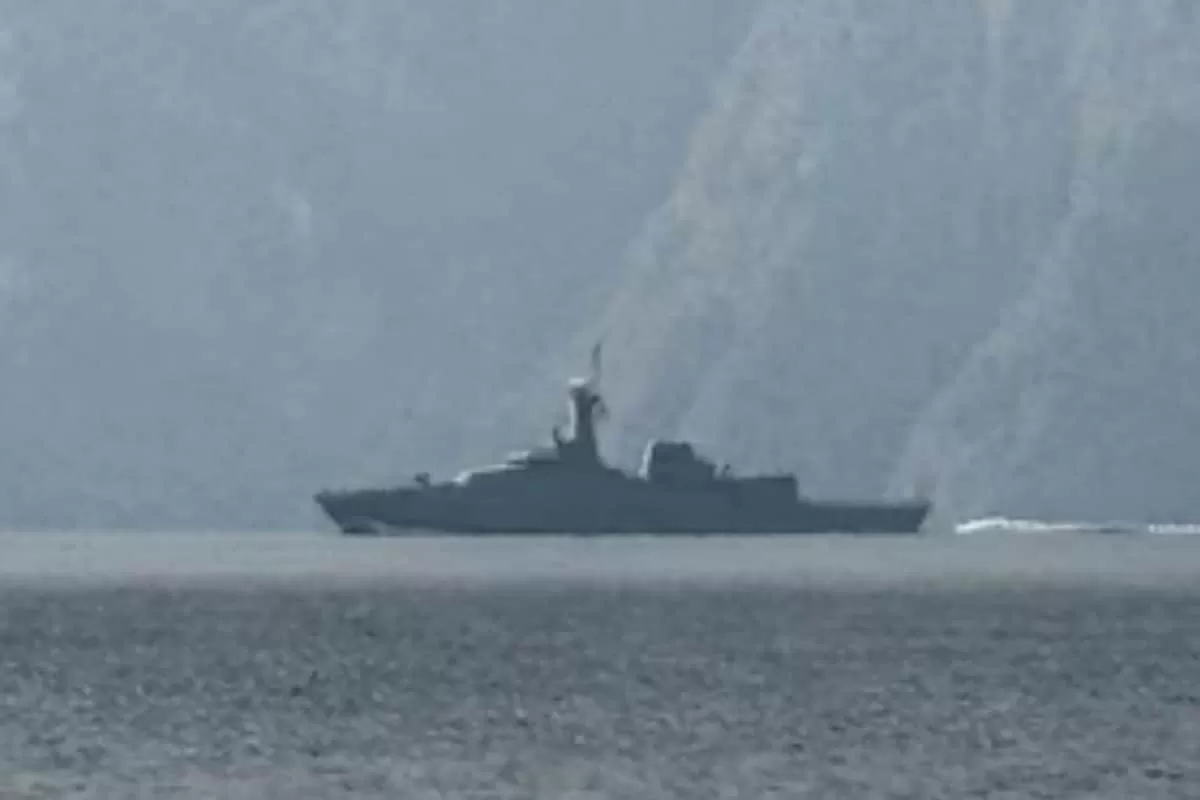
Iran’s IRGC Declares Strait of Hormuz Closed After US-Israeli Strikes on Supreme Leader Ayatollah Ali Khamenei
In a shocking turn of events, Iran’s Islamic Revolutionary Guard Corps (IRGC) has declared the Strait of Hormuz effectively closed following the US-Israeli strikes on Iran that killed Supreme Leader Ayatollah Ali Khamenei. This move has sent shockwaves throughout the international community and has raised concerns about the safety and stability of the region.
The Strait of Hormuz, located between Iran and Oman, is a crucial waterway for global oil trade, with almost one-fifth of the world’s oil passing through it. The recent attacks on Iran’s top leader have only added to the already tense situation in the region, with the United States and Israel being accused of orchestrating the strikes.
The IRGC, which is Iran’s elite military force, has taken a strong stance in response to these attacks. In a statement released by the IRGC, they declared that the Strait of Hormuz will be closed to all traffic until further notice. This decision has been made to protect Iran’s national security and to send a strong message to those who have threatened the country’s sovereignty.
The closure of the Strait of Hormuz has raised concerns about the impact it will have on global oil trade and the economy. However, the IRGC has assured that they will take all necessary measures to ensure the safety of international shipping in the region. They have also stated that the closure is temporary and will be lifted once the security situation in the region stabilizes.
This move by the IRGC has been met with mixed reactions from the international community. While some countries have expressed concern over the closure of the Strait of Hormuz, others have shown support for Iran’s decision to protect its national security. The United States and Israel, on the other hand, have condemned the closure and have accused Iran of disrupting global trade.
The recent attacks on Iran’s Supreme Leader have only added to the already tense relationship between Iran and the United States. The two countries have been at odds for decades, with the US imposing economic sanctions on Iran and accusing them of supporting terrorism. The recent strikes have only escalated the tensions between the two nations, with Iran vowing to retaliate against the US and its allies.
The closure of the Strait of Hormuz is a clear indication of Iran’s determination to protect its sovereignty and national security. It is a bold move that sends a strong message to those who have threatened the country’s leadership. The IRGC has shown that they will not back down in the face of aggression and will take all necessary measures to protect their country.
The closure of the Strait of Hormuz has also highlighted the importance of finding a peaceful solution to the ongoing tensions in the region. It is crucial for all parties involved to engage in dialogue and find a way to de-escalate the situation. The safety and stability of the region should be the top priority for all nations, and any further aggression or military action will only worsen the situation.
In conclusion, the closure of the Strait of Hormuz by Iran’s IRGC is a bold move that has sent shockwaves throughout the international community. It is a clear message to those who have threatened Iran’s sovereignty and national security. However, it is also a reminder of the need for peaceful resolution and dialogue to de-escalate the tensions in the region. The world is watching, and it is time for all parties to come together and find a way to restore peace and stability in the region.
