
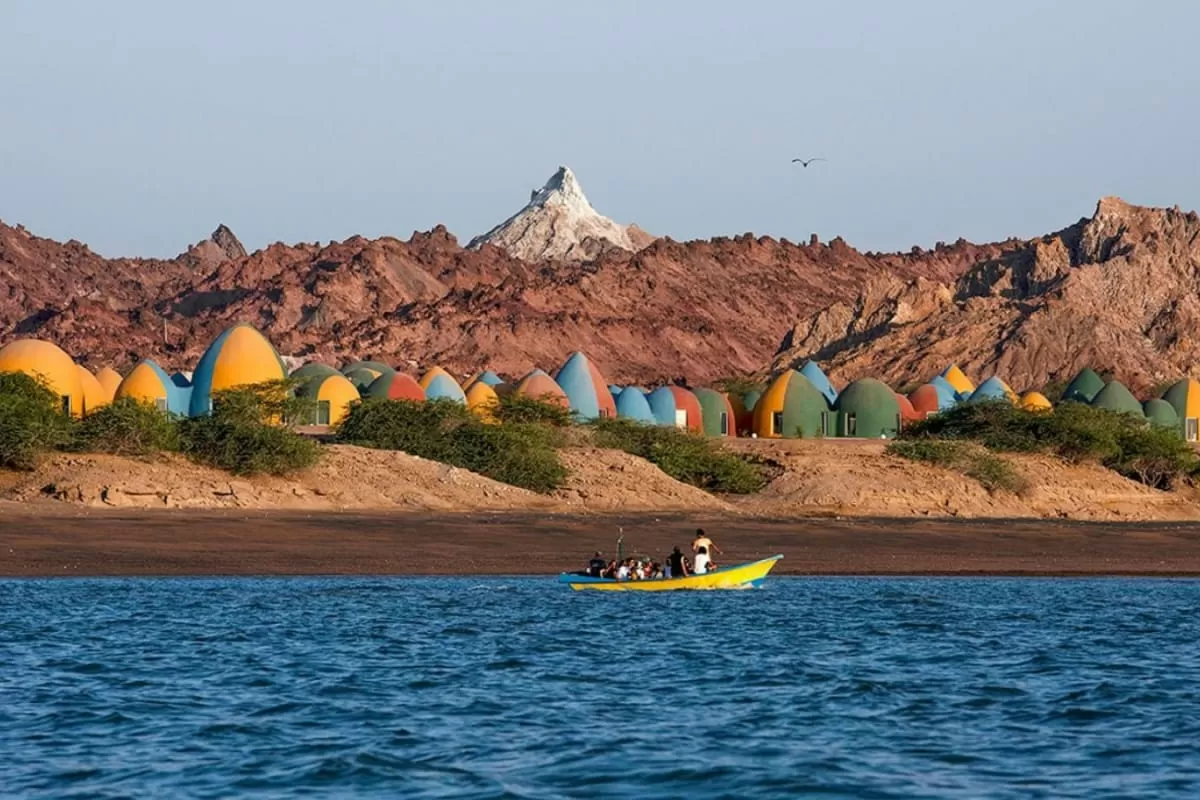
As tensions between Iran, the US, and Israel continue to escalate, the Strait of Hormuz has once again taken center stage in global headlines. This vital waterway, located between the Persian Gulf and the Gulf of Oman, has long been known for its strategic importance in the global oil market. However, beyond its role in international politics, the Strait of Hormuz is also a place of incredible natural beauty and rich history.
The strait, which is only 21 miles wide at its narrowest point, is a natural gateway between the Arabian Peninsula and the Iranian Plateau. It is the only sea passage from the Persian Gulf to the open ocean, making it a crucial route for oil tankers transporting oil from the Middle East to the rest of the world. It is estimated that around one-fifth of the world’s oil supply passes through the Strait of Hormuz, making it a vital chokepoint for global energy security.
However, beyond its strategic importance, the Strait of Hormuz is also home to stunning fjords, picturesque islands, and a rich history that dates back centuries. One of the most notable attractions in the strait is the Musandam Peninsula, which is often referred to as the “Norway of Arabia” due to its strikingly similar landscape of rugged mountains and deep blue fjords.
The fjords of Musandam, known as the Khors, are a popular destination for tourists looking to explore the natural beauty of the strait. Visitors can take boat tours through the Khors, marveling at the towering cliffs and crystal-clear waters. The area is also a haven for marine life, with dolphins, whales, and sea turtles frequently spotted in the waters.
Another must-see destination in the Strait of Hormuz is the island of Qeshm, located in the southern part of the strait. Qeshm is the largest island in the Persian Gulf and is home to a unique ecosystem, including mangrove forests, salt caves, and an abundance of birdlife. The island also has a rich history, with archaeological evidence dating back over 8,000 years. Visitors can explore ancient ruins, traditional villages, and experience the local culture and cuisine.
The strait is also home to a number of other islands, each with its own unique charm and attractions. The island of Hormuz, for example, is known for its vibrant red soil and colorful salt formations, while the island of Kish boasts pristine beaches and luxury resorts.
In addition to its natural beauty, the Strait of Hormuz also has a fascinating history. The ancient Greeks referred to it as the “Persian Gates,” as it was believed to be the entrance to the Persian world. Over the centuries, it has been a strategic location for trade and commerce, and has been controlled by various empires, including the Persians, the Portuguese, and the British.
Today, the strait remains a vital waterway for international trade and commerce, with billions of dollars worth of goods passing through it every day. Its significance in the global economy cannot be overstated, and any disruption to its operations can have far-reaching consequences.
As tensions in the region continue to rise, it is important to remember the incredible natural beauty and rich history of the Strait of Hormuz. It is a place that has captured the imaginations of travelers and explorers for centuries, and it continues to be a source of wonder and inspiration for all who visit.
In conclusion, beyond its role in global politics, the Strait of Hormuz is a place of breathtaking natural beauty, fascinating history, and cultural diversity. As we navigate through these turbulent times, let us not forget the importance of preserving and appreciating this vital waterway, which holds so much more than just its strategic value. So, next time the strait makes headlines, let us also remember its fjords, island history, and scenic coasts.
