
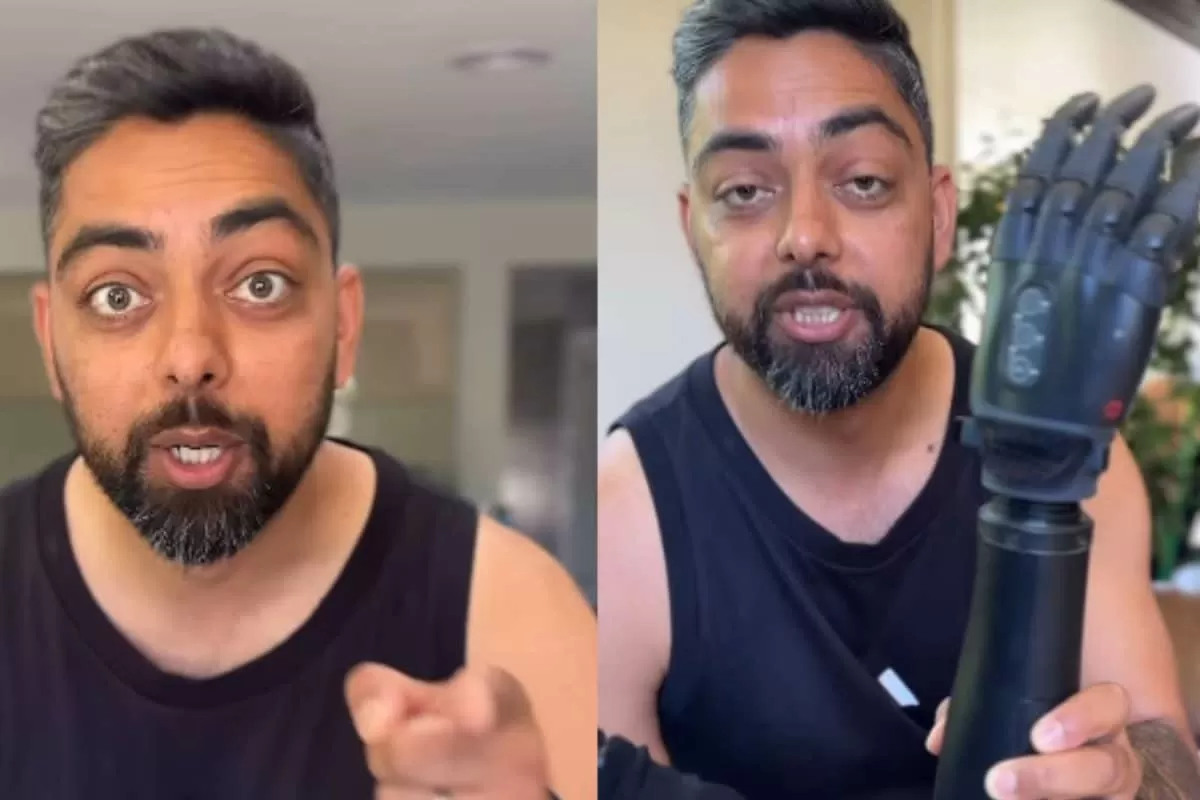
The bionic arm is a revolutionary piece of technology that has changed the lives of many individuals who have lost their limbs. It is a prosthetic arm that is controlled by signals from the brain, allowing the user to perform a wide range of movements and tasks with ease. This incredible innovation has given hope to amputees and has opened up a whole new world of possibilities for them.
The concept of a bionic arm may seem like something out of a science fiction movie, but it is very much a reality. It is a result of years of research and development in the field of neuroscience and robotics. The bionic arm works by using advanced sensors and algorithms to interpret signals from the brain and translate them into movements of the prosthetic arm. This means that the user can control the arm just like they would control their natural arm, using their thoughts and intentions.
One of the key components of the bionic arm is the myoelectric sensors. These sensors are placed on the surface of the skin and pick up electrical signals generated by the muscles. These signals are then sent to a computer processor, which decodes them and converts them into movements of the prosthetic arm. This process happens in real-time, allowing for smooth and natural movements of the arm.
The bionic arm is not just a simple replacement for a missing limb, it is a highly advanced and customizable piece of technology. Each bionic arm is tailored to the individual user, taking into account their unique needs and abilities. This means that the user can perform a wide range of tasks, from simple movements like grasping and releasing objects, to more complex actions like typing on a keyboard or playing a musical instrument.
One of the most remarkable things about the bionic arm is its ability to adapt and learn. As the user continues to use the arm, the sensors and algorithms learn and improve, making the movements more precise and natural. This means that the user can perform tasks with greater ease and efficiency over time.
The bionic arm has had a profound impact on the lives of amputees. It has given them back their independence and has allowed them to do things that were once thought to be impossible. With the bionic arm, amputees can now perform daily tasks, such as cooking, cleaning, and even driving, with ease. They can also participate in activities that they were once unable to, such as sports and hobbies.
Not only does the bionic arm have practical benefits, but it also has a significant psychological impact on the user. Losing a limb can be a traumatic experience, and it can take a toll on one’s self-esteem and confidence. The bionic arm helps to restore a sense of normalcy and control, giving the user a newfound sense of confidence and pride.
The bionic arm is constantly evolving and improving, thanks to ongoing research and development. Scientists and engineers are continuously working to make the arm more intuitive, efficient, and affordable. This means that in the future, the bionic arm will become even more accessible to those who need it.
In conclusion, the bionic arm is a remarkable piece of technology that has changed the lives of amputees for the better. It is a testament to the power of human ingenuity and the endless possibilities of technology. With the bionic arm, amputees can once again lead independent and fulfilling lives, and that is truly something to be celebrated.
