
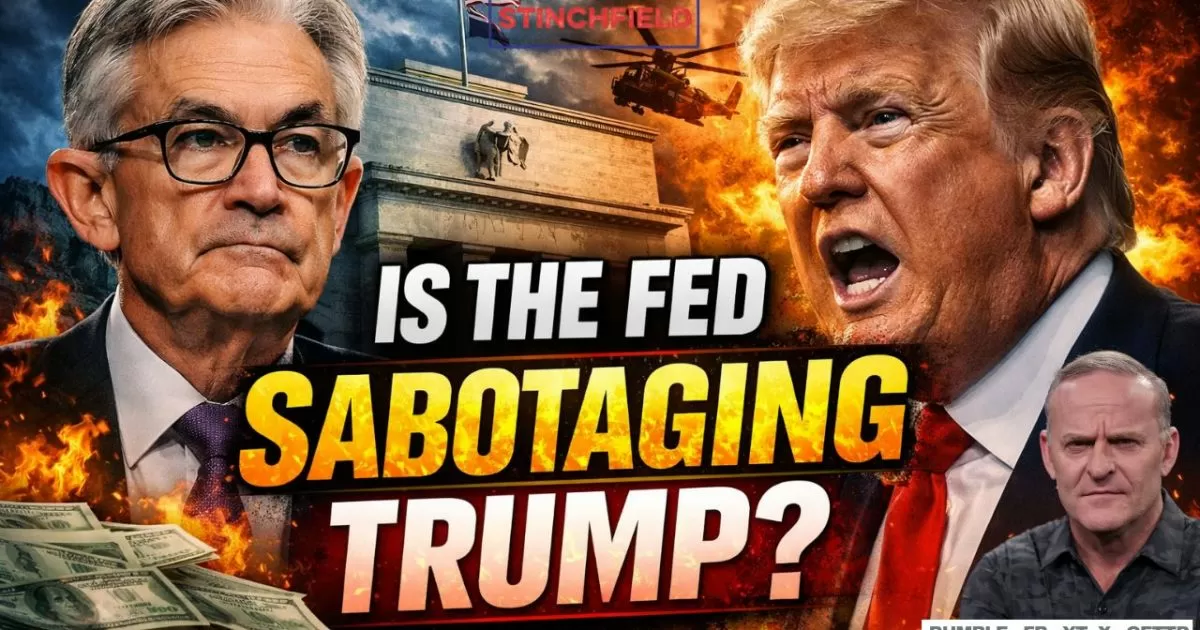
The Federal Reserve has always been a crucial player in times of crisis for the United States. Whenever the country has faced major conflicts, the Federal Reserve has stepped in to cut rates, inject liquidity, and ensure the stability of the financial system. However, in recent times, there has been a lot of speculation and criticism surrounding the actions of the Federal Reserve, particularly under the leadership of Chairman Jerome Powell.
The latest controversy surrounding the Federal Reserve is its decision to not cut interest rates in the midst of the ongoing trade war between the US and China. This decision has been met with a lot of backlash, with many accusing the Federal Reserve of betraying the American people and playing politics instead of fulfilling its duty to the country.
The criticism has been particularly harsh from President Donald Trump, who has been a vocal advocate for lower interest rates. In a recent interview, Trump accused Powell of refusing to cut rates in order to “get him,” referring to the ongoing tension between the two over the Federal Reserve’s policies. This accusation has sparked a lot of debate and speculation about the motives behind the Federal Reserve’s decision.
However, it is important to understand that the Federal Reserve’s primary responsibility is to maintain the stability of the financial system and ensure the long-term economic growth of the country. The decision to cut interest rates is not one that can be taken lightly, and it is based on a thorough analysis of various economic factors. It is not a tool to be used for political gain or to appease a particular individual or group.
The Federal Reserve has always maintained its independence and has been successful in keeping the US economy strong and stable. It is not fair to accuse them of playing politics or betraying the American people. The decision to not cut rates in the current situation is a reflection of the Federal Reserve’s commitment to its mandate and its responsibility towards the country.
Moreover, it is important to note that the Federal Reserve has already taken measures to support the economy in the face of the trade war. In July, they cut interest rates for the first time in over a decade, citing concerns about the global economic outlook and the impact of the trade tensions. This move was widely praised and seen as a proactive step to mitigate the effects of the ongoing conflict.
Additionally, the Federal Reserve has also been injecting liquidity into the financial system through its open market operations. This has helped to ease the strain on the markets and ensure the smooth functioning of the financial system. These actions demonstrate the Federal Reserve’s commitment to maintaining stability and supporting economic growth, even in the face of external challenges.
It is also important to consider the potential consequences of cutting interest rates in the current situation. While it may provide a short-term boost to the economy, it could also lead to long-term consequences such as inflation and a weaker dollar. The Federal Reserve must carefully weigh these factors before making any decisions, and it is unfair to criticize them for not succumbing to political pressure.
In conclusion, the Federal Reserve’s decision to not cut interest rates in the midst of the trade war should not be seen as a betrayal or a political move. It is a reflection of their commitment to their mandate and their responsibility towards the country. The Federal Reserve has always been a crucial player in times of crisis, and we should trust their expertise and judgment in navigating through these challenging times. Let us have faith in the Federal Reserve and support their efforts to keep the US economy strong and stable.
