
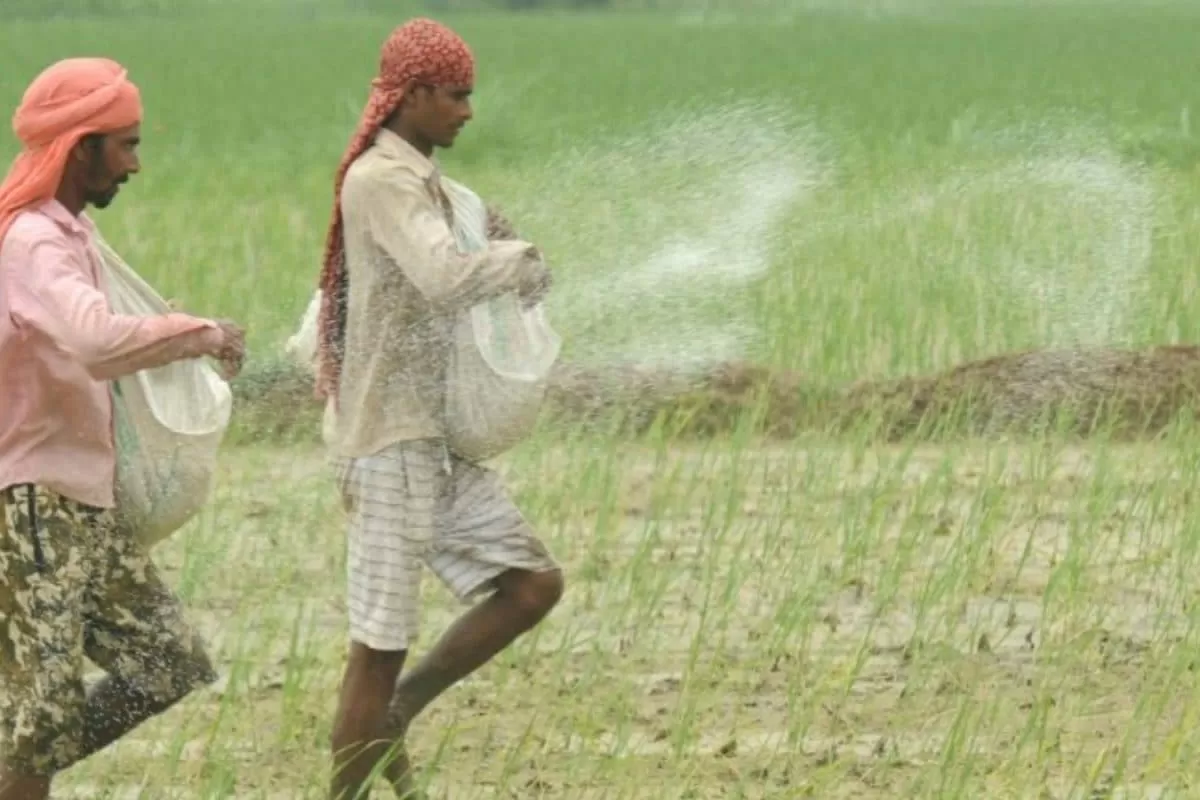
India is a country that heavily relies on agriculture for its economy. With a large population to feed, the demand for fertilisers is constantly increasing. In recent years, India has emerged as one of the largest importers of nitrogen fertilisers, with around 63% of its imports coming from Gulf countries such as Saudi Arabia, Oman, Qatar, and the United Arab Emirates (UAE). This is a significant amount and highlights the importance of the Gulf region in India’s agricultural sector.
Nitrogen fertilisers are essential for the growth and development of crops. They provide the necessary nutrients for plants to thrive and increase their yield. India’s agricultural sector has been facing challenges due to the depletion of soil nutrients and the increasing demand for food. As a result, the country has been relying heavily on imports to meet its fertiliser needs.
The Gulf countries have emerged as key players in India’s fertiliser imports, with Saudi Arabia being the largest supplier. In fact, around 32% of India’s imports of Di-ammonium Phosphate (DAP) come from the Gulf region. This is due to the abundance of natural gas reserves in these countries, which is a key component in the production of nitrogen fertilisers. The proximity of these countries to India also makes it a convenient and cost-effective option for imports.
The strong trade ties between India and the Gulf countries have played a crucial role in the increase of fertiliser imports. The Gulf countries have been reliable suppliers, ensuring a steady supply of fertilisers to India. This has helped in stabilising the prices of fertilisers in the Indian market, which is beneficial for both farmers and consumers.
Moreover, the Gulf countries have also been investing in the Indian fertiliser sector, further strengthening the trade relationship. In 2018, the Abu Dhabi National Oil Company (ADNOC) signed a long-term agreement with Indian companies to supply them with liquid nitrogen fertilisers. This not only ensures a steady supply of fertilisers but also helps in reducing India’s dependence on imports from other countries.
The Gulf countries have also been actively involved in technology transfer and knowledge sharing with India in the field of fertilisers. This has helped in improving the production and quality of fertilisers in India, making it more self-sufficient in meeting its agricultural needs. This collaboration has also opened up opportunities for joint ventures and partnerships between Indian and Gulf companies, leading to mutual growth and development.
The strong trade relationship between India and the Gulf countries goes beyond fertilisers. The Gulf region is also a major supplier of crude oil and petroleum products to India, which is crucial for the country’s energy needs. This has further strengthened the economic ties between the two regions.
In conclusion, the Gulf countries play a significant role in meeting India’s fertiliser needs. With their abundant natural gas reserves, strong trade ties, and investment in the Indian fertiliser sector, the Gulf region has emerged as a reliable and important partner for India. This partnership has not only benefitted the agricultural sector but also strengthened the overall economic relationship between the two regions. As India continues to strive towards self-sufficiency in agriculture, the role of the Gulf countries in meeting its fertiliser needs will remain crucial.
