
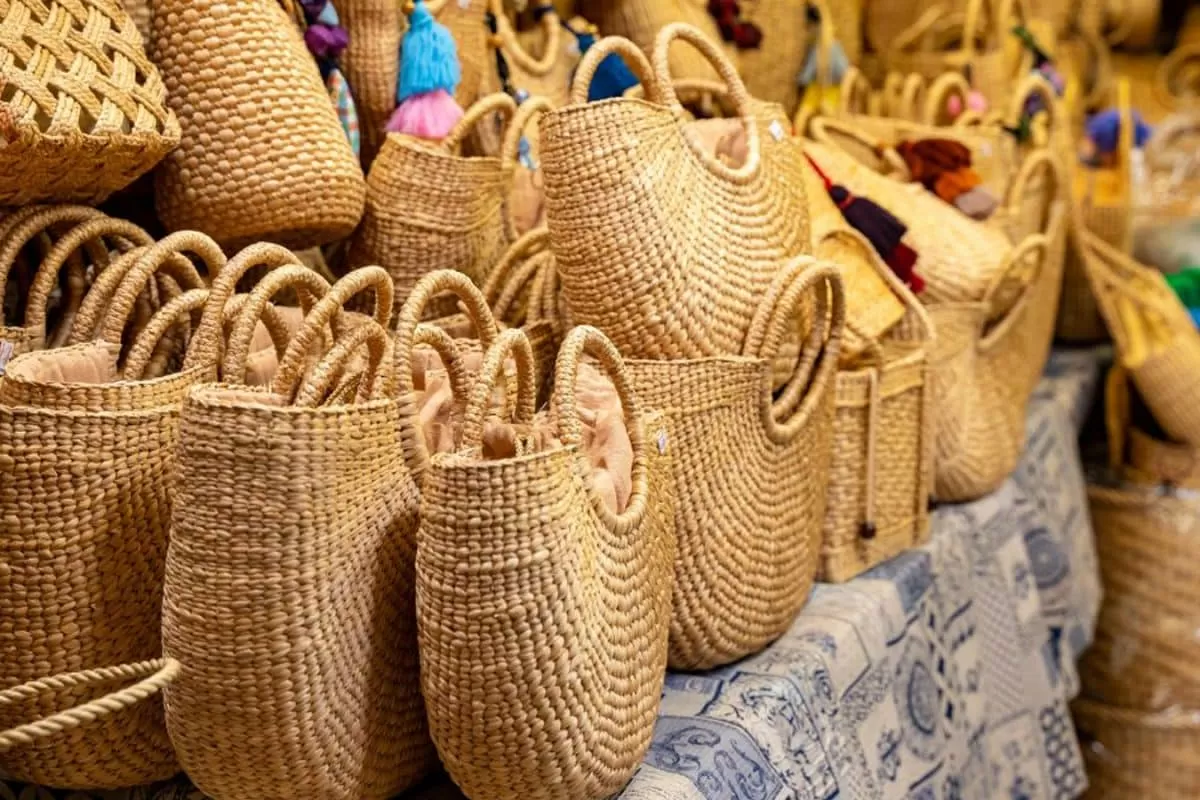
Kolkata, also known as the ‘City of Joy’, is a bustling metropolis located in the eastern part of India. It is a city that is steeped in history, culture, and tradition. But what sets this city apart from others is its dominant role in jute manufacturing and trade. Kolkata is recognized as the hub of jute production and trade in India, and its contribution to the country’s economy cannot be overlooked.
Jute, also known as the ‘golden fiber’, is a natural fiber that is derived from the jute plant. It is one of the most versatile and affordable natural fibers, making it a popular choice for various industries. And Kolkata, with its favorable climate and fertile land, has been the ideal location for jute cultivation and production.
The history of jute in Kolkata can be traced back to the 19th century when the British East India Company set up jute mills in the city. The industry flourished, and soon Kolkata became the center of jute production in the world. The city’s strategic location, with access to the Ganges river and the Bay of Bengal, made it easier to transport raw jute and finished products to different parts of the world.
Today, Kolkata is home to the largest jute market in the world, known as the ‘Hastings Jute Market’. It is a bustling marketplace where jute traders from all over the country come to buy and sell jute products. The market is a testament to the city’s dominant role in jute trade and its contribution to the country’s economy.
The jute industry in Kolkata has not only provided employment opportunities to thousands of people but has also played a significant role in the city’s development. The jute mills in Kolkata are not just factories; they are an integral part of the city’s landscape and have become a symbol of its identity. The industry has also given rise to ancillary industries, such as packaging, printing, and transportation, which have further boosted the city’s economy.
Apart from its economic significance, the jute industry in Kolkata has also played a crucial role in preserving the city’s heritage and culture. The jute mills in Kolkata are not just places of work; they are also a part of the city’s history. Many of these mills have been standing for over a century and have witnessed the city’s growth and development. They have become an essential part of the city’s heritage and are a source of pride for its residents.
Kolkata’s dominance in the jute industry can also be attributed to the city’s skilled workforce. The jute mills in Kolkata employ thousands of workers, who are trained in the art of jute production. These workers have honed their skills over the years and have become experts in their craft. Their dedication and hard work have helped Kolkata maintain its position as the leading jute producer in the country.
The jute industry in Kolkata has also been a pioneer in promoting sustainable and eco-friendly practices. Jute is a biodegradable and renewable resource, making it an environmentally friendly alternative to synthetic materials. The jute mills in Kolkata have been at the forefront of promoting the use of jute products, not just in India but also in other parts of the world. This has not only helped in reducing the carbon footprint but has also created a demand for jute products, leading to the growth of the industry.
In recent years, the jute industry in Kolkata has faced some challenges, such as competition from synthetic materials and fluctuations in demand. However, the city has always found a way to overcome these challenges and has emerged stronger. The government has also taken various initiatives to support the jute industry, such as providing subsidies and promoting the use of jute products.
In conclusion, Kolkata’s dominant role in jute manufacturing and trade is a testament to the city’s resilience, hard work, and determination. The jute industry has not only contributed to the city’s economic growth but has also played a significant role in preserving its heritage and culture. Kolkata’s love affair with jute continues to thrive, and it is a relationship that will continue to flourish for years to come.
