
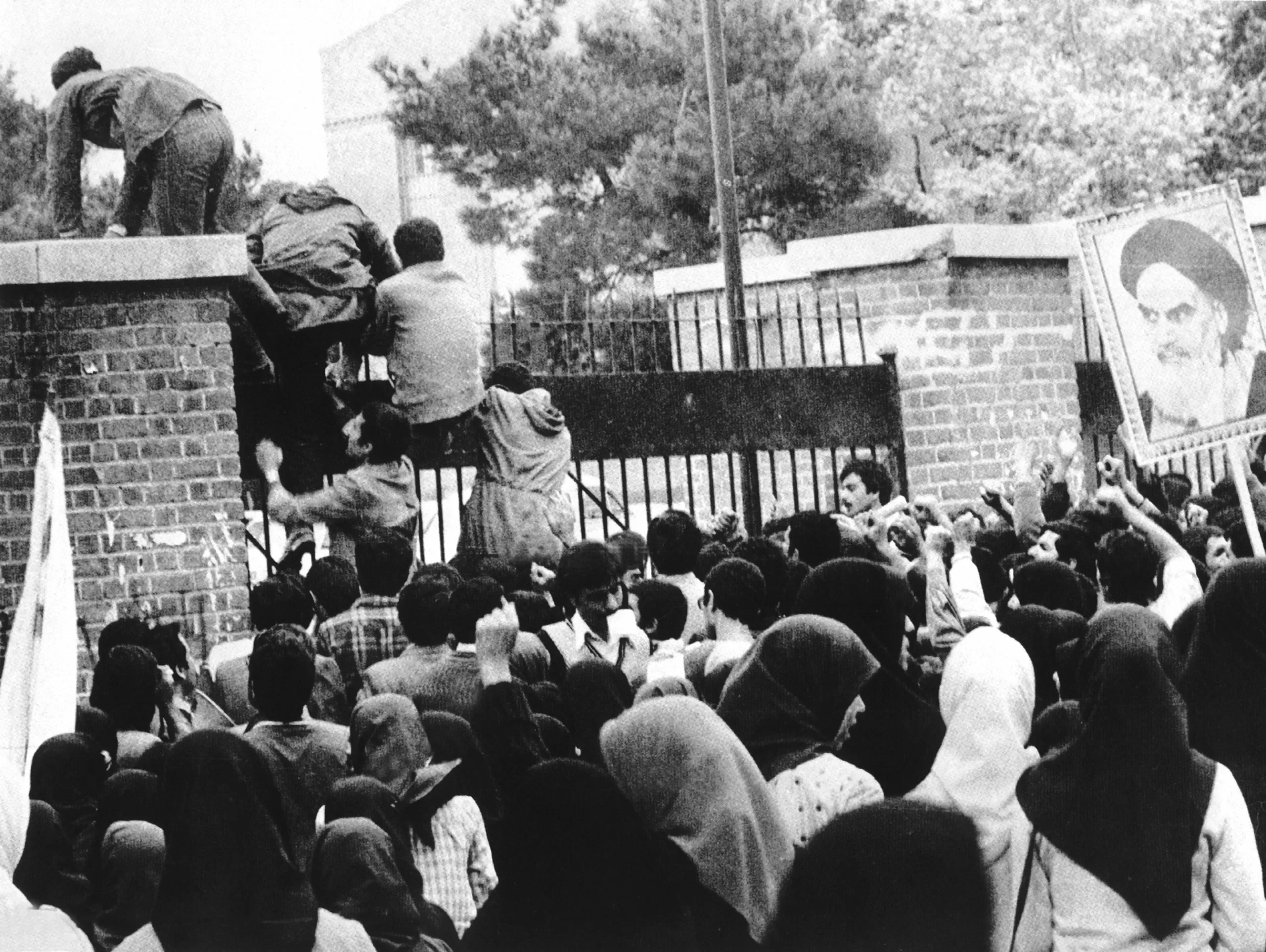
International media have been framing the United States in a negative light, accusing the country of aggression and unwarranted attacks. However, what has been conveniently left out of the narrative is the decades-long history of Iranian and proxy attacks against America, leading up to the recent strikes ordered by President Trump.
For over two decades, Iran and its proxies have engaged in numerous attacks against America, both at home and abroad. These attacks have spanned multiple administrations and have caused significant loss of life and damage to property.
One of the most significant attacks took place in 1983 when the Iranian-backed terrorist group Hezbollah bombed a US Marine barracks in Beirut, Lebanon, killing 241 American servicemen. This was just one of many Hezbollah attacks against American targets in Lebanon, including the kidnapping and murder of CIA station chief William Buckley in 1984.
In the late 1990s, Iran was also found to be behind the bombing of the Khobar Towers housing complex in Saudi Arabia, which killed 19 US service members and injured hundreds more. The evidence was so compelling that a US federal judge ruled that Iran was responsible for the attack and ordered the country to pay billions of dollars in damages.
In the early 2000s, Iran also played a significant role in supporting and funding Shia militias in Iraq, who were responsible for countless attacks on American troops during the Iraq War. These attacks resulted in the deaths of over 600 US soldiers and the maiming of thousands more.
In recent years, Iran has continued its aggressive behavior towards the US, including the participation of Iranian forces and their proxies in the Syrian civil war and the Yemeni conflict. In 2018, a Houthi rebel group, supported by Iran, fired a missile at a Saudi airport, killing one and injuring several others. These actions not only threaten the stability of the Middle East but also pose a direct threat to American interests in the region.
Despite these repeated attacks, the international media has chosen to ignore or downplay Iran’s role and instead focuses on portraying the United States as the aggressor. This false narrative has only served to further fuel anti-American sentiment and hinder efforts towards a peaceful resolution.
President Trump’s recent decision to strike Iranian General Qasem Soleimani, who was responsible for coordinating many of these attacks, was not an act of aggression but a necessary response to protect American lives. Soleimani was a known terrorist with the blood of American soldiers on his hands, and his death has dealt a significant blow to Iran’s ability to carry out further attacks.
Furthermore, the strike was not an isolated event, but rather a part of a larger effort by the US to curtail Iran’s aggressive and destabilizing behavior in the region. The sanctions imposed by the Trump administration have had a significant impact on the Iranian economy, limiting their ability to fund terrorist groups and proxy militias.
Contrary to the media’s portrayal, these actions were not taken lightly, but after careful consideration of the risks and consequences. The US remains committed to finding a diplomatic solution to the tensions with Iran, but it must also protect its citizens and interests from ongoing threats.
It is time for the international media to accurately report on the history of Iranian aggression towards America and to stop framing the US as the aggressor. The actions of the US have been defensive, aimed at preventing further attacks and promoting stability in the region.
It is also crucial for the international community to hold Iran accountable for its actions. Allowing the country to continue its hostile behavior towards the US and its allies without consequences only emboldens their actions.
In conclusion, before Trump’s strikes on Iran, the country and its proxies had been attacking America for over two decades. The media must acknowledge this fact and stop painting the US as the aggressor. Instead, they should focus on holding Iran accountable for its actions and promoting peace and stability in the region. President Trump’s actions have been justified, and it is time for the international community to support them in their efforts towards a more peaceful future.
