
Our bodies are truly amazing machines, with each organ playing a vital role in keeping us healthy and functioning properly. Among these essential organs are the kidneys, which are responsible for filtering waste from the blood and maintaining the balance of fluids and salts in our bodies. However, when we become dehydrated, our kidneys are affected and their ability to function properly is compromised.
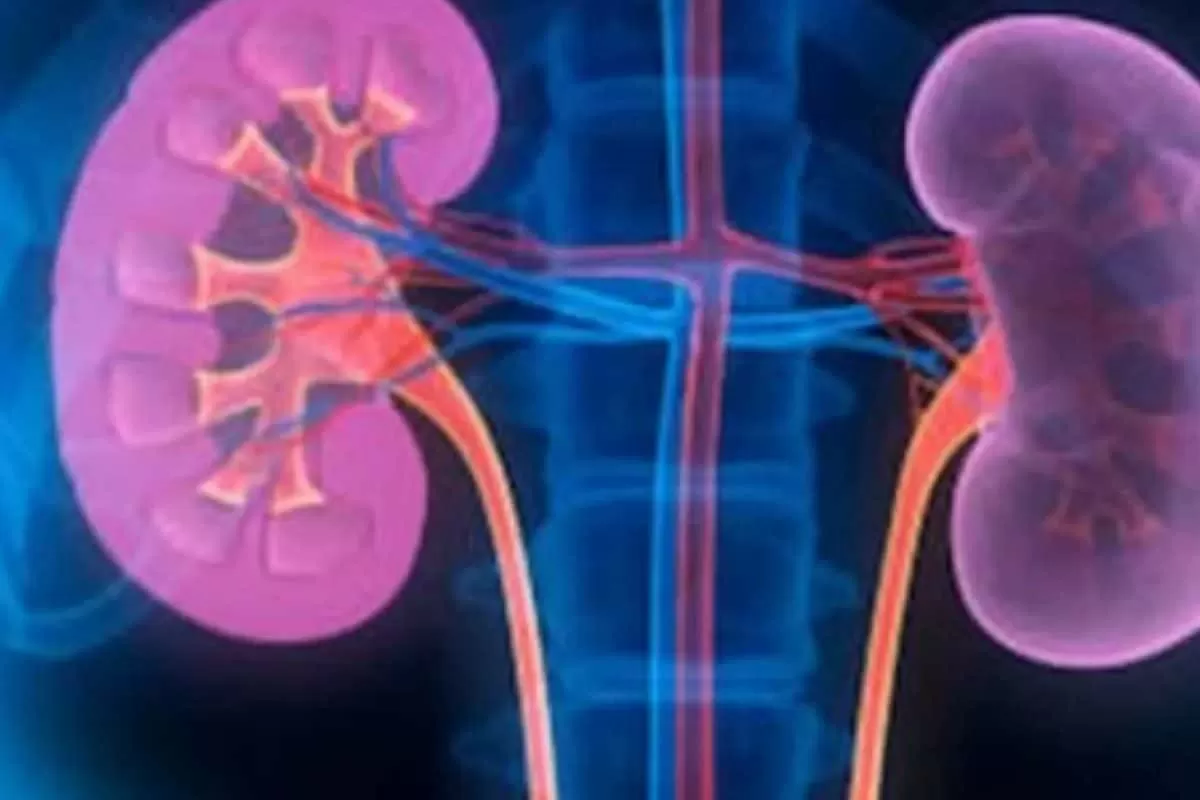
Before we delve into the effects of dehydration on the kidneys, let’s first understand the role of these bean-shaped organs in our bodies. The kidneys are located on either side of our spine, just below the rib cage. They are responsible for filtering waste products from the blood, such as excess water, salts, and toxins. These waste products are then eliminated from the body in the form of urine. In addition to this, the kidneys also help regulate the body’s fluid and electrolyte balance, which is crucial for maintaining healthy blood pressure and proper functioning of our cells.
Now, let’s talk about dehydration. Dehydration occurs when our body loses more fluids than it takes in. This can happen due to various reasons, such as excessive sweating, vomiting, diarrhea, or not drinking enough water. When we are dehydrated, our blood volume decreases, meaning there is less blood flowing through our body. As a result, our kidneys receive less blood flow, which can have a significant impact on their ability to function properly.
One of the main functions of the kidneys is to filter waste products from the blood. However, when there is a decrease in blood flow, the kidneys are not able to filter the blood efficiently. This can lead to a buildup of waste products in the body, which can cause various health problems. In severe cases, it can even lead to kidney failure, where the kidneys are no longer able to function at all.
Moreover, dehydration can also affect the kidneys’ ability to regulate the body’s fluid and electrolyte balance. When we are dehydrated, our body tries to conserve water by reducing the amount of urine produced. This can result in the buildup of excess salts and minerals in the body, which can lead to various complications, such as kidney stones.
It is essential to note that dehydration not only affects the kidneys but also puts a strain on other organs in the body. When our body is dehydrated, the heart has to work harder to pump blood, and the brain does not receive enough oxygen and nutrients, leading to fatigue and dizziness. Dehydration can also cause our skin to become dry and our muscles to cramp, among other symptoms.
So, what can we do to prevent dehydration and keep our kidneys healthy? The answer is simple – stay hydrated. Our body needs a constant supply of fluids to function correctly, and water is the best source of hydration. It is recommended to drink at least eight glasses of water a day, and even more if you are physically active or live in a hot climate. Additionally, make sure to replenish lost fluids after any physical activity or illness.
In addition to water, we can also get fluids from other sources, such as fruits and vegetables. These foods contain high water content and can contribute to our daily fluid intake. However, it is essential to note that caffeinated and alcoholic beverages can have a dehydrating effect on the body, so it is best to limit their consumption.
In conclusion, our kidneys play a crucial role in keeping our bodies healthy and functioning properly. When we are dehydrated, the kidneys are affected, and their ability to filter waste products and regulate fluid balance is compromised. Therefore, it is essential to stay hydrated and ensure our kidneys are functioning at their best. Let’s make it a habit to drink enough water and keep our bodies well-hydrated. After all, our kidneys deserve the best care and attention.
