
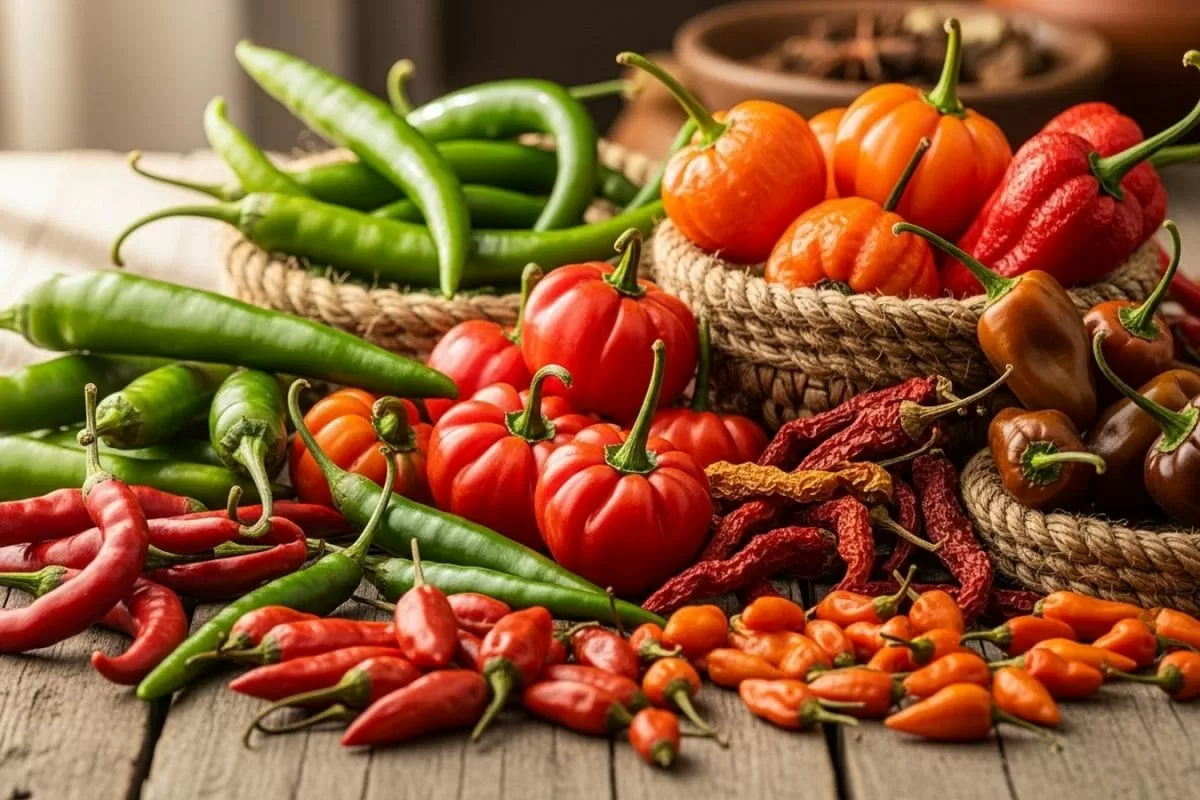
Summer is a wonderful time of year, filled with warm sunshine, outdoor activities, and delicious fresh produce. However, one downside of this season is the rapid spoilage of fruits and vegetables. Nothing is more frustrating than buying a basket of beautiful, ripe vegetables only to find them spoiled and wilted a few days later. But fear not, there are simple kitchen hacks that can help keep your vegetables fresh for longer and reduce food waste.
Proper Drying
The first step in keeping your vegetables fresh is to make sure they are completely dry before storing them. This is especially important for leafy greens like lettuce and spinach, as excess moisture can cause them to wilt and spoil quickly. After washing your vegetables, use a salad spinner or pat them dry with a clean kitchen towel. Avoid leaving them to air dry, as this can take too long and can also increase the risk of bacteria growth.
Smart Storage
Once your vegetables are dry, it’s time to store them properly. The key here is to keep them in a cool, dark, and dry place. Avoid storing them in direct sunlight or near heat sources, as this can cause them to spoil faster. Refrigeration is also important for most vegetables, as it helps to slow down the natural ripening process. However, some vegetables like tomatoes, potatoes, and onions are best stored at room temperature.
For leafy greens and herbs, wrap them in a damp paper towel and store them in a resealable plastic bag in the fridge. This will help to maintain their moisture and prevent wilting. For other vegetables like carrots, cucumbers, and zucchini, store them in the crisper drawer of your fridge. Make sure to wrap them in a paper towel or keep them in an airtight container to prevent them from drying out.
Another smart storage tip is to keep your vegetables separated. Certain vegetables, like onions and potatoes, release gases that can cause other vegetables to spoil faster. Keep them in separate containers to avoid this. Additionally, storing vegetables in breathable bags or containers can help to prevent moisture buildup, which can lead to spoilage.
Pickling and Fermenting
If you have an abundance of vegetables that you know you won’t be able to consume before they spoil, consider pickling or fermenting them. This not only helps to preserve them for longer, but it also adds flavor and nutrition to your meals. Pickling involves submerging vegetables in a mixture of vinegar, water, and spices, while fermenting relies on naturally occurring bacteria to preserve the vegetables. Both methods have been used for centuries and are a great way to reduce food waste.
Freezing
Freezing is another great option for preserving vegetables. The key here is to blanch the vegetables before freezing them. Blanching involves briefly cooking the vegetables in boiling water and then immediately transferring them to an ice bath. This helps to maintain the color, texture, and nutrients of the vegetables. Once blanched, store them in airtight containers or freezer bags in the freezer. Frozen vegetables can last for several months and are perfect for adding to soups, stews, and stir-fries.
Repurposing
If you have vegetables that are starting to wilt or turn slightly mushy, don’t throw them away just yet. Instead, try repurposing them into a new dish. Wilted leafy greens can be added to smoothies or used to make a delicious pesto. Mushy tomatoes or peppers can be roasted and turned into a flavorful sauce. Get creative and experiment with different ways to use up vegetables that are past their prime.
Plan Ahead
One of the best ways to ensure your vegetables stay fresh is to plan ahead. Take a few minutes each week to plan out meals and make a grocery list based on what you will actually use. This will prevent you from buying more produce than you can consume. Additionally, try to use the oldest vegetables first, rotating them as you go. This will help to prevent any forgotten vegetables from spoiling at the back of your fridge.
In conclusion, with a little bit of planning and these simple kitchen hacks, you can keep your vegetables fresh for longer and reduce food waste. Not only will this save you money, but it will also help to protect the environment. So next time you go grocery shopping, keep these tips in mind and enjoy your fresh produce for longer. Happy cooking!
