
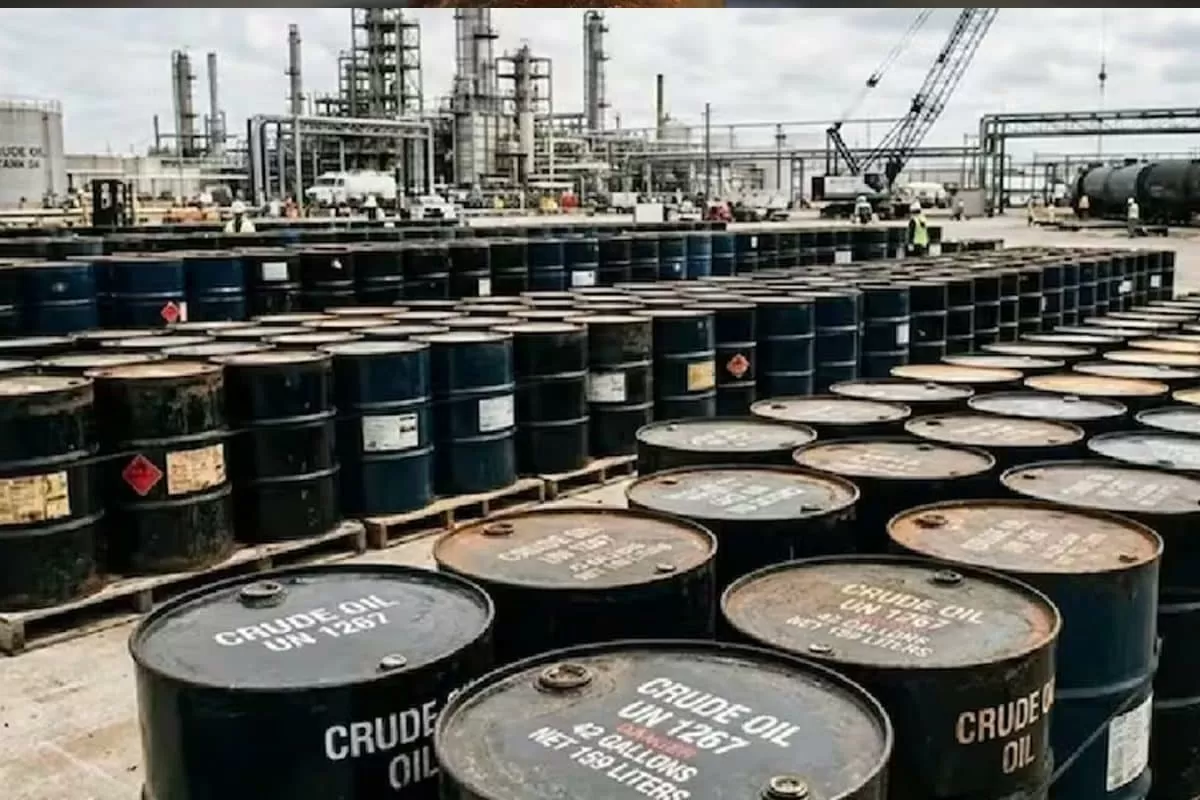
The world’s energy landscape has always been a source of fascination for many. It is a crucial aspect of our modern society, powering homes, businesses, and transportation systems. However, the current state of the global energy landscape is dominated by a few nations that hold the majority of the world’s proven reserves of oil. This fact may seem concerning to some, but it also presents a valuable opportunity for these nations to step up and take the lead in shaping a more sustainable future.
According to the latest data from the U.S. Energy Information Administration, the top five countries with the largest proven oil reserves are Venezuela, Saudi Arabia, Canada, Iran, and Iraq. Together, these nations hold more than half of the world’s proven oil reserves. This dominance can be attributed to a range of factors, including geological advantages, technological advancements, and government policies.
One of the significant reasons for this unequal distribution of oil reserves is the natural endowment of certain countries. For instance, Venezuela’s Orinoco Belt is estimated to hold the largest reserves of heavy crude oil in the world, making the country one of the top oil producers. Similarly, Saudi Arabia’s vast oil reserves are primarily located in the Ghawar oil field, which is the largest conventional oil field globally, contributing significantly to the country’s dominance in the global energy landscape.
Moreover, technological advancements in the oil industry have played a crucial role in enabling the extraction of oil reserves that were previously deemed economically unviable. With the use of advanced technologies like hydraulic fracturing and horizontal drilling, countries like the United States and Canada have been able to tap into unconventional oil reserves, thereby increasing their proven reserves. This has further strengthened their position in the global energy market.
Additionally, government policies and regulations also play a vital role in the dominance of certain nations in the global energy landscape. Many oil-rich countries have implemented policies that prioritize the development and extraction of their natural resources, providing them with a strategic advantage in the market. For example, Saudi Arabia, the largest exporter of crude oil, has a state-owned oil company, Saudi Aramco, which gives the country more control over its oil resources and ensures a steady stream of revenue.
The concentration of oil reserves in a few nations also has a significant impact on the global economy. It creates a sense of interdependency between countries, with the oil-producing nations using their resources as a bargaining tool for favorable trade deals and political alliances. Furthermore, the volatility of oil prices also affects the stability of the global market, making it vulnerable to the actions of these dominant nations.
Despite the concerns surrounding this unequal distribution of resources, it is crucial to note that these nations holding the majority of the world’s proven oil reserves also have the potential to shape a more sustainable future. As the world is shifting towards renewable energy sources, these countries can use their economic power and technological expertise to lead the way in the transition towards a cleaner and greener energy landscape.
Many oil-rich nations have already started investing in renewable energy and diversifying their energy portfolios. For example, Saudi Arabia has announced its plans to build the world’s largest solar project, which will have the capacity of producing 200 gigawatts of electricity by 2030. The United Arab Emirates is also making significant progress in renewable energy, aiming to have 44% of its energy from clean sources by 2050. These efforts not only benefit the environment but also help these nations reduce their dependence on oil and strengthen their economies in the long run.
Moreover, the unequal distribution of oil reserves provides an opportunity for other countries to invest in research and development of alternative energy sources. As the demand for oil continues to rise, it opens up avenues for innovation and the exploration of new technologies to reduce our dependence on this finite resource. It also encourages countries to collaborate and share knowledge, leading to faster advancements in the field of sustainable energy.
In conclusion, the global energy landscape may be currently dominated by a few nations holding the majority of the world’s proven oil reserves. However, this situation presents an opportunity for these countries to take the lead in shaping a more sustainable future. With the right policies, investments, and collaborations, we can move towards a cleaner and greener energy landscape, benefiting the entire world. It is time for these nations to use their dominance strategically and make a positive impact on the global energy landscape.
