
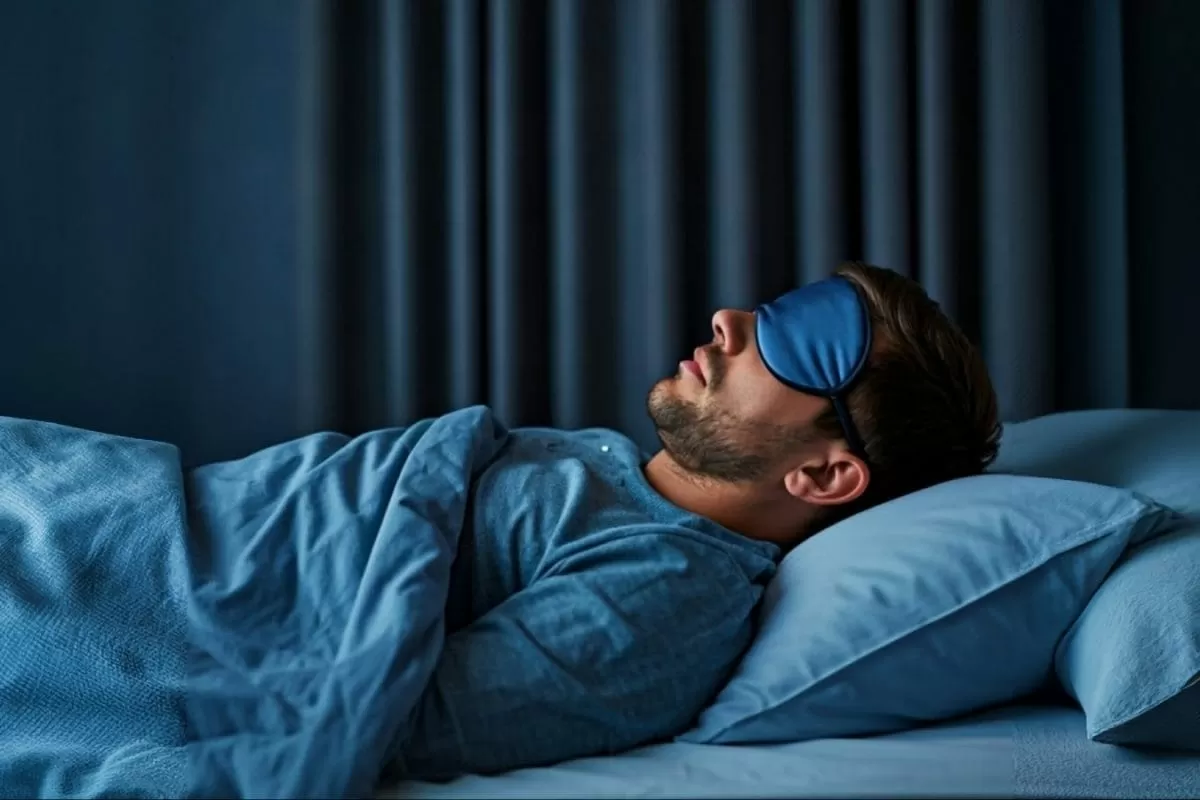
Poor sleep is emerging as a serious public health concern in India, with an increasing number of people reporting sleep deprivation. In today’s fast-paced world, where stress, screen time, and modern lifestyles have become the norm, getting a good night’s sleep has become a luxury for many.
According to a recent survey by the Indian Sleep Disorders Association, around 25% of the Indian population suffers from some form of sleep disorder. This includes conditions such as insomnia, sleep apnea, and restless leg syndrome. The number is alarming and calls for urgent attention from the medical community and the general public alike.
One of the primary reasons for the rise in sleep disorders is stress. In today’s competitive world, people are constantly under pressure to perform and meet deadlines. This leads to a never-ending cycle of stress and anxiety, which can significantly impact the quality of sleep. When the mind is preoccupied with worries and thoughts, it becomes challenging to relax and fall asleep. Moreover, prolonged periods of stress can also lead to chronic insomnia, a condition where an individual finds it difficult to fall asleep or stay asleep.
Another contributing factor to poor sleep is the excessive use of screens, including smartphones, laptops, and televisions. The blue light emitted from these devices suppresses the production of melatonin, a hormone responsible for regulating the sleep-wake cycle. This disruption in the natural body clock can make it difficult to fall asleep and can also affect the quality of sleep. Additionally, the constant use of screens can also cause mental stimulation, making it harder for individuals to wind down and relax before bedtime.
The modern lifestyle has also played a crucial role in the widespread sleep deprivation in India. With the rise of urbanization and technology, people are leading sedentary lives, with little to no physical activity. Lack of exercise can lead to various health issues, including obesity, which is a significant risk factor for sleep apnea. This condition causes interruptions in breathing during sleep, leading to poor quality sleep and daytime fatigue.
The consequences of sleep deprivation are not limited to just feeling tired and groggy the next day. It can have serious implications on an individual’s physical and mental health. Chronic sleep deprivation can weaken the immune system, making a person more susceptible to illnesses. It can also lead to an increased risk of heart diseases, diabetes, and depression. In addition, poor sleep can also affect cognitive functions, making it difficult to concentrate and perform daily tasks efficiently.
To address the issue of poor sleep, it is crucial to understand the importance of good sleep hygiene. Good sleep hygiene refers to a set of habits and practices that promote healthy sleep. This includes maintaining a regular sleep schedule, creating a comfortable sleep environment, avoiding caffeine and heavy meals close to bedtime, and limiting screen time before bed. Practicing relaxation techniques such as meditation and deep breathing can also help to calm the mind and promote better sleep.
It is also essential for individuals to prioritize their mental health and find healthy ways to manage stress. This can include seeking professional help, engaging in physical activities, and taking breaks from technology and work-related stressors. Creating a healthy work-life balance and setting realistic goals can also go a long way in reducing stress and improving sleep.
Furthermore, it is crucial for the medical community to raise awareness about the importance of sleep and its impact on overall health. Doctors should educate their patients about the signs and symptoms of sleep disorders and encourage them to seek timely treatment. Additionally, the government should also take steps to promote healthy sleep habits and provide resources for those struggling with sleep disorders.
In conclusion, poor sleep is a significant public health concern in India, and it is high time we take it seriously. With the right information, awareness, and lifestyle changes, we can combat this issue and promote better sleep habits. Let us prioritize our sleep and make it a priority to achieve a healthier and happier life. As the famous saying goes, “A good laugh and a long sleep are the best cures in the doctor’s book.”
