
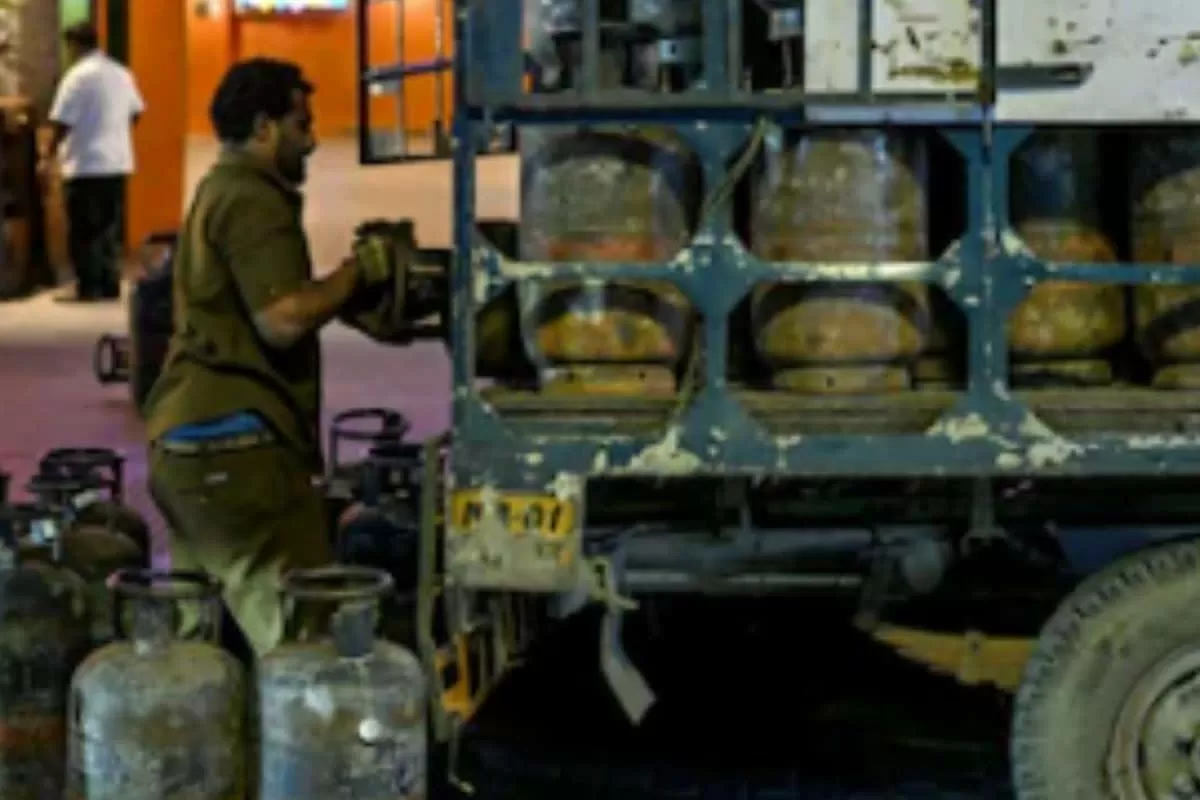
The hospitality industry in India has been facing a major challenge in recent times due to the shortage of LPG, a crucial fuel for hotels and restaurants. The president of the Association of Hotels and Restaurants (AHAR), Vijay K. Shetty, recently reported that around 20% of hotels in the country have been forced to shut down due to this issue. He further added that if the situation persists, 50-60 more hotels are expected to close their doors in the coming days. This alarming news has also caught the attention of the National Restaurant Association of India (NRAI), with its member Amit Bagga warning of potential restaurant closures.
The shortage of LPG has been a pressing issue for the hospitality industry for quite some time now. With hotels and restaurants relying heavily on this fuel for their daily operations, the scarcity has severely impacted their functioning. The situation has been exacerbated by the recent increase in the price of LPG, making it even more difficult for businesses to sustain themselves.
Vijay K. Shetty, the president of AHAR, expressed his concern over the current state of the industry, stating that the closure of 20% of hotels is just the tip of the iceberg. He highlighted the fact that many small and medium-sized hotels are struggling to keep their doors open due to the high cost of LPG. The situation has become so dire that many hotel owners have had to resort to using alternative methods of cooking, such as firewood and charcoal, which are not only time-consuming but also pose a threat to the environment.
The impact of the LPG shortage has not only been limited to hotels but has also affected the restaurant industry. Amit Bagga, a member of NRAI, warned that if the issue is not resolved soon, many restaurants will be forced to shut down as well. He also pointed out that the closure of hotels and restaurants will not only result in a loss of jobs but also have a ripple effect on other industries such as tourism and agriculture.
The hospitality industry is one of the major contributors to the Indian economy, providing employment opportunities and boosting tourism. The closure of hotels and restaurants will not only have a direct impact on the industry but also affect the overall economy. It is imperative that the government takes immediate action to address the LPG shortage and provide relief to the struggling businesses.
In response to the alarming situation, AHAR and NRAI have urged the government to take necessary steps to resolve the issue. They have also requested for a reduction in the price of LPG and an increase in its supply to meet the demand of the hospitality industry. The associations have also suggested exploring alternative sources of fuel to mitigate the impact of the shortage.
The government has assured that they are taking necessary measures to address the LPG shortage and have promised to increase the supply of LPG to hotels and restaurants. They have also stated that they are looking into the possibility of reducing the price of LPG to provide relief to the industry. This news has brought some hope to the struggling businesses and has been welcomed by AHAR and NRAI.
In the midst of this challenging situation, the hospitality industry has shown resilience and determination to overcome this hurdle. Hotel and restaurant owners have been working tirelessly to find alternative solutions and keep their businesses afloat. The associations have also been providing support and guidance to their members to navigate through these tough times.
It is heartening to see that despite the challenges, the industry is not giving up and is determined to come out stronger. The closure of hotels and restaurants is not an option, and the industry is doing everything in its power to keep the doors open for its customers. The support and cooperation of the government in this matter are crucial for the survival of the hospitality industry.
In conclusion, the shortage of LPG has posed a significant threat to the hospitality industry in India. The closure of hotels and restaurants has not only affected the industry but also has a ripple effect on the economy. However, with the support of the government and the determination of the industry, we are confident that this challenge will be overcome, and the hospitality industry will continue to thrive. Let us all work together to find a solution and ensure that our hotels and restaurants remain open to serve the people of India.
