
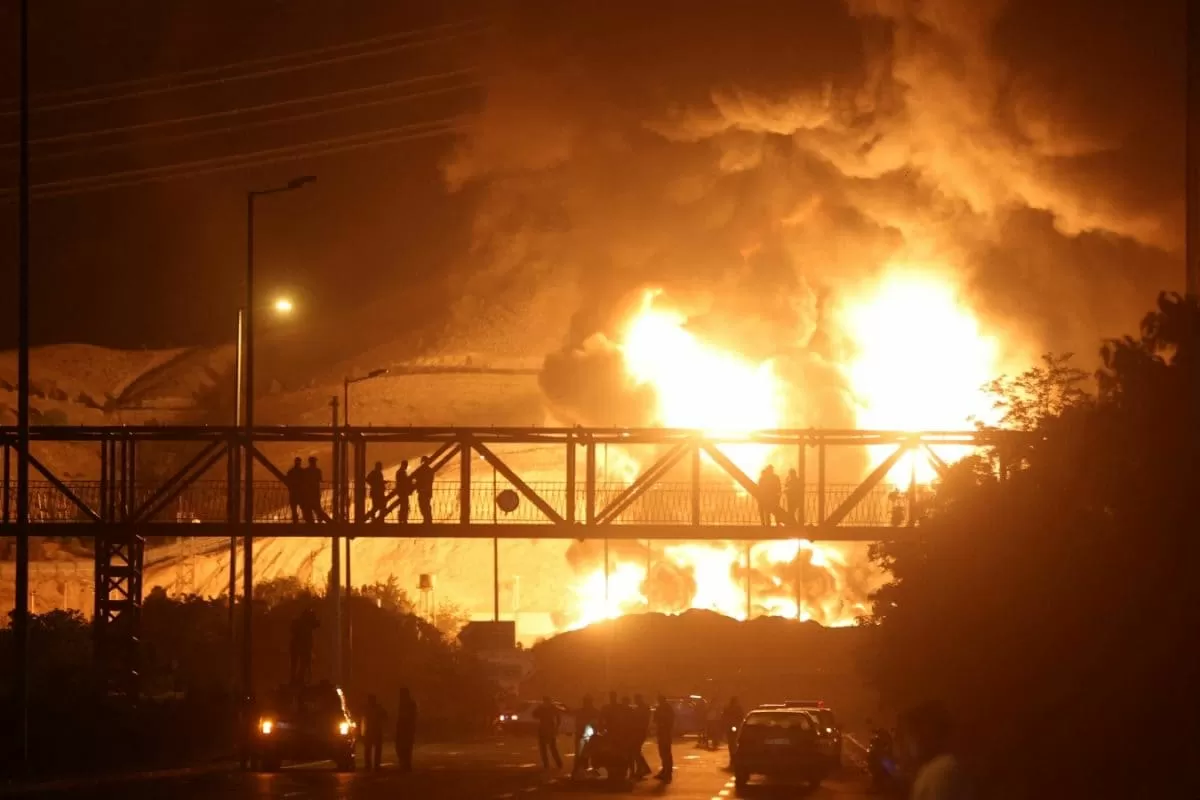
The recent US-Israeli strikes on oil facilities in Iran have caused widespread concern not only for the safety of the region, but also for the potential health risks that may arise. The World Health Organization (WHO) has issued a warning about the potential dangers of the “black rain” and toxic compounds in the air, urging caution and preparedness in the affected areas.
The strikes, which targeted key oil facilities in Iran, have resulted in a massive release of toxic compounds into the air. These compounds, including sulfur dioxide and nitrogen oxide, can have serious health implications for those exposed to them. The WHO has warned that the “black rain” caused by the strikes can also contain harmful chemicals and particles, posing a threat to the health of the local population.
One of the major concerns raised by the WHO is the potential for respiratory problems. The toxic compounds in the air can irritate the respiratory system, causing coughing, wheezing, and difficulty breathing. This can be particularly dangerous for those with pre-existing respiratory conditions, such as asthma or chronic bronchitis. The “black rain” can also cause skin irritation and eye problems, further adding to the health risks.
In light of these potential health risks, the WHO has advised people in the affected areas to take necessary precautions. This includes staying indoors as much as possible, closing windows and doors, and using air purifiers to reduce exposure to the toxic compounds. The organization has also urged the government to provide adequate protective gear to those who are working in the affected areas, such as first responders and cleanup crews.
The WHO has also stressed the importance of monitoring air quality in the affected areas. This will help to identify any potential health risks and allow for timely intervention to protect the health of the local population. The organization has offered its support to the Iranian government in setting up air quality monitoring systems and providing technical assistance to ensure the accuracy of the data collected.
Furthermore, the WHO has called for cooperation and transparency between all parties involved in the strikes and their aftermath. This will enable the organization to accurately assess the health risks and provide necessary support and resources to those in need. The WHO has also emphasized the need for timely and accurate information to be shared with the public, in order to avoid panic and misinformation.
It is important to note that the WHO’s warning is not meant to cause alarm, but rather to raise awareness and promote preparedness. The organization is working closely with the Iranian government and other stakeholders to mitigate the potential health risks and ensure the safety of the local population. The WHO has also expressed its willingness to provide any necessary support and assistance to those affected by the strikes.
In conclusion, the recent US-Israeli strikes on oil facilities in Iran have raised concerns about potential health risks, particularly in the form of toxic compounds in the air and “black rain”. The WHO has issued a warning and offered its support and expertise to the Iranian government in addressing these risks and protecting the health of the local population. It is important for all parties involved to work together and prioritize the well-being of the people in the affected areas. Let us all hope for a swift resolution to this crisis and a safe and healthy future for all.
