
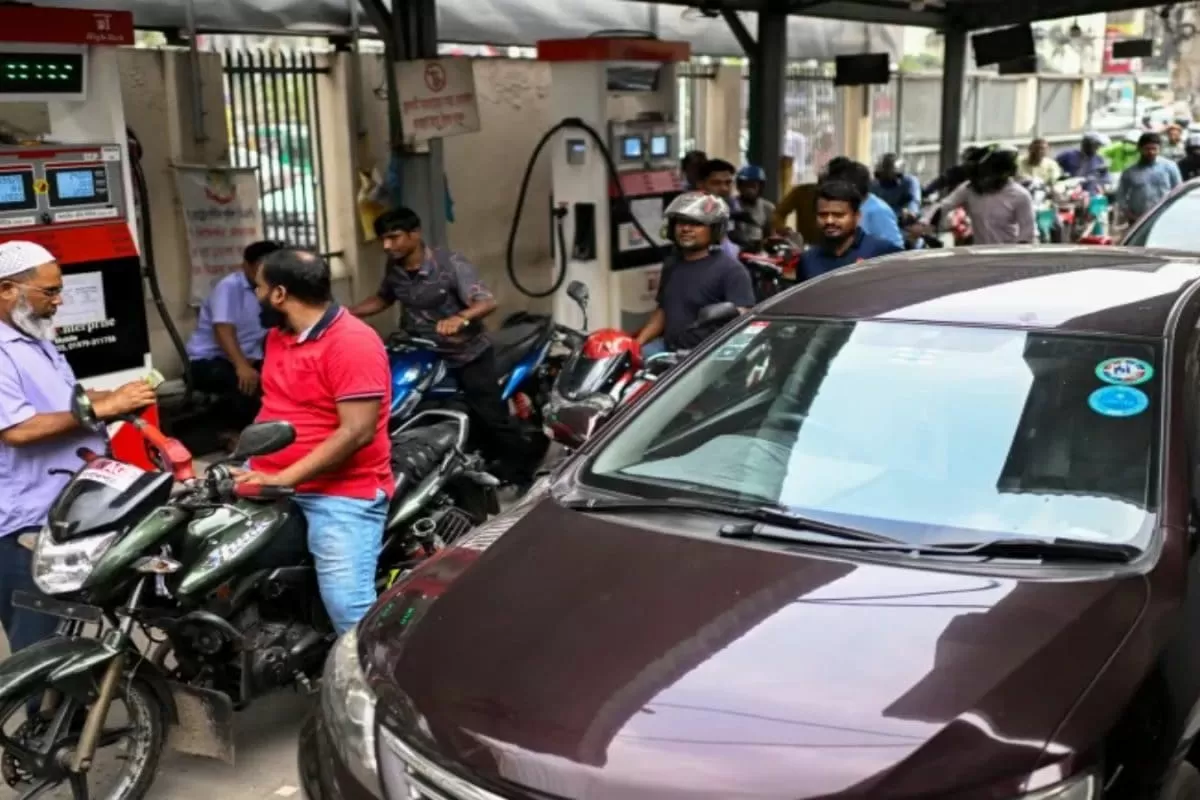
Bangladesh is a country that has been facing a fuel crisis for quite some time now. The government has been taking various measures to manage this crisis, and recently, it has introduced strict measures to control the situation. One of the major steps taken by the government is the closure of public and private universities starting from Monday. In addition to this, the government has also imposed daily limits on fuel sales. These measures are aimed at reducing the demand for fuel and ensuring that it is used in a more efficient manner.
The fuel crisis in Bangladesh has been a major concern for the government and the citizens alike. The country heavily relies on imported fuel, and any disruption in the supply chain can lead to a shortage. This not only affects the daily lives of the people but also hampers the economic growth of the country. The government has been working tirelessly to find a solution to this crisis, and the recent steps taken are a reflection of their commitment towards resolving the issue.
The closure of universities may seem like an extreme step, but it is a necessary one. Universities are major consumers of fuel, with thousands of students and faculty members commuting to and from the campus every day. By temporarily closing them, the demand for fuel will automatically decrease, helping to manage the crisis. The government has assured that this closure will not affect the academic calendar and measures will be taken to ensure that students do not suffer.
Another significant measure taken by the government is the imposition of daily limits on fuel sales. This means that individuals and businesses can only purchase a fixed amount of fuel each day. This step is aimed at curbing hoarding and black market activities, which often contribute to the fuel crisis. By limiting the amount of fuel one can purchase, the government is ensuring that it is distributed fairly among the citizens.
These measures may cause inconvenience to some people, but it is a small price to pay for the greater good. The government has also urged the citizens to use fuel in a more efficient manner. Simple steps like carpooling, using public transportation, and avoiding unnecessary trips can make a significant difference in reducing the demand for fuel. The government has also promised to take strict action against those who are found to be wasting or misusing fuel.
The introduction of these strict measures has already shown positive results. The fuel crisis has started to ease, and the supply of fuel is becoming more stable. This has brought much-needed relief to the citizens who were facing long queues and hours of waiting at gas stations. The government has also assured that it will continue to monitor the situation and take necessary steps to ensure that the crisis is managed effectively.
It is commendable to see the government taking proactive measures to tackle the fuel crisis. This shows their commitment towards the welfare of the citizens and the development of the country. The closure of universities and the imposition of daily limits on fuel sales may seem like temporary inconveniences, but they are crucial steps in managing the crisis. The citizens must also play their part by using fuel responsibly and supporting the government’s efforts.
In conclusion, the recent measures taken by the government to manage the fuel crisis in Bangladesh are a positive step towards resolving the issue. The closure of universities and the imposition of daily limits on fuel sales may cause inconvenience, but it is a necessary sacrifice for the greater good. The citizens must also cooperate and use fuel efficiently to ensure that the crisis is managed effectively. With the government’s commitment and the support of the citizens, we can overcome this crisis and move towards a brighter future for Bangladesh.
