
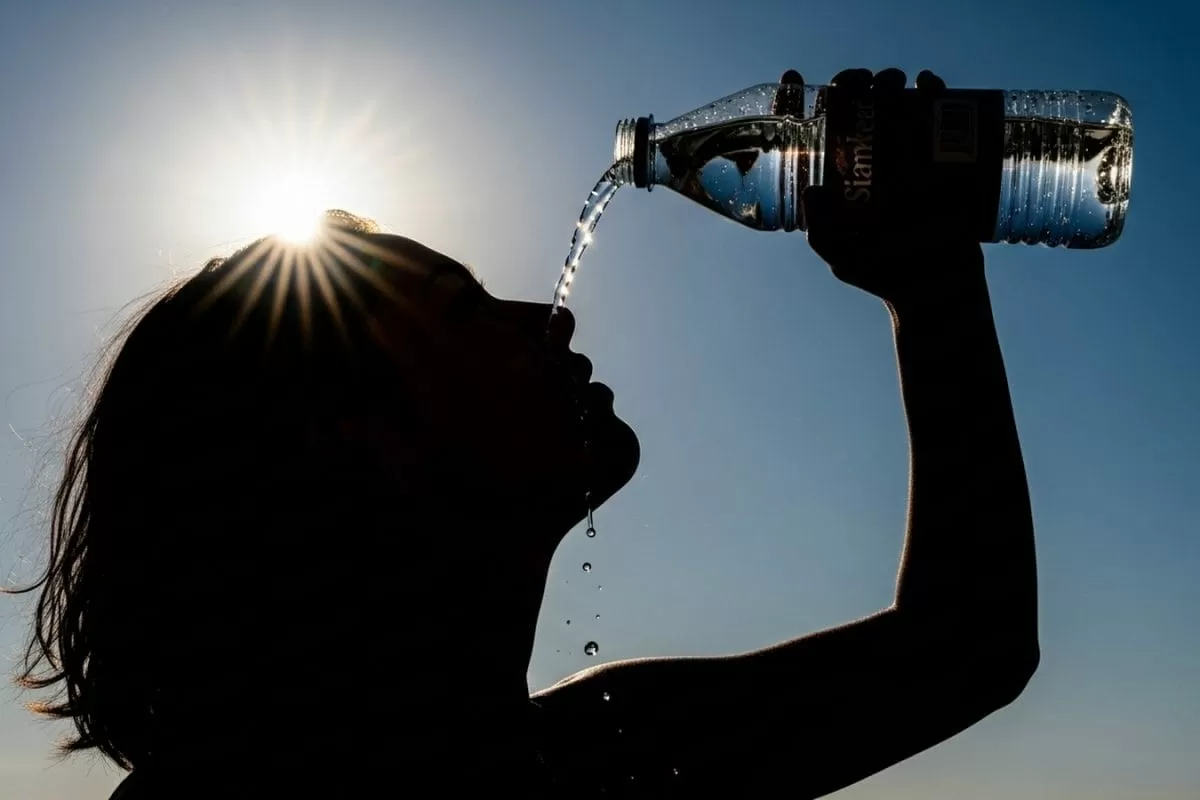
Summer is a time for fun and relaxation, but it can also bring extreme heat and dangerous heatwaves. As temperatures rise, it is important to take extra precautions to keep our loved ones, especially children and elders, safe from the scorching heat. Here are some essential safety tips to help you and your family stay hydrated, prevent heatstroke, and enjoy a safe and healthy summer.
1. Stay Hydrated
One of the most important things to remember during a heatwave is to stay hydrated. Our bodies lose a lot of water through sweat, and it is crucial to replenish it by drinking plenty of fluids. Encourage your kids and elders to drink water regularly, even if they do not feel thirsty. Avoid sugary drinks and opt for water, coconut water, or fruit juices instead. You can also make hydrating popsicles with fresh fruits and water to keep them cool and hydrated.
2. Dress Appropriately
Wearing the right clothing can make a big difference in preventing heat-related illnesses. Choose lightweight, loose-fitting, and light-colored clothes for your kids and elders. Dark colors absorb heat, while light colors reflect it, keeping the body cool. Also, opt for breathable fabrics like cotton, which allows air to circulate and helps in sweat evaporation.
3. Stay Indoors During Peak Hours
The sun is at its strongest between 10 am to 4 pm, and it is best to avoid outdoor activities during these hours. Plan your day accordingly and try to stay indoors during peak hours. If you must go out, make sure to take frequent breaks in the shade and avoid direct exposure to the sun.
4. Use Sun Protection
Sunscreen is a must during summers, especially for kids and elders. Apply a broad-spectrum sunscreen with at least SPF 30 before going out in the sun. Reapply every two hours, or more frequently if swimming or sweating. Don’t forget to wear a hat and sunglasses to protect your face and eyes from the harmful UV rays.
5. Keep Your Home Cool
Make sure your home is a safe haven from the heat. Keep the curtains closed during the day to block out the sun’s heat. Use fans or air conditioners to circulate cool air and maintain a comfortable temperature. If you do not have an air conditioner, take a cool shower or use a wet towel on your neck and wrists to cool down.
6. Never Leave Children or Elders in a Parked Car
Leaving children or elders in a parked car, even for a few minutes, can be extremely dangerous. The temperature inside a car can rise rapidly, even with the windows cracked open. It can lead to heatstroke, dehydration, and even death. Always take your kids and elders with you, or make sure they are with a responsible adult.
7. Watch for Signs of Heat-Related Illnesses
It is essential to be aware of the signs of heat-related illnesses and act promptly if you notice any symptoms. Heat exhaustion and heatstroke are the most common heat-related illnesses, and they can be life-threatening if not treated immediately. Symptoms include dizziness, nausea, headache, rapid heartbeat, and confusion. If you or your loved ones experience any of these symptoms, move to a cool place, drink water, and seek medical help.
8. Stay in Touch with Your Neighbors
During a heatwave, it is crucial to check on your neighbors, especially those who are elderly or have young children. Make sure they are staying cool and hydrated and offer to help if needed. It is also a good idea to have a buddy system in place, where you and your neighbors can keep an eye on each other and offer assistance if necessary.
9. Plan Outdoor Activities Wisely
If you plan to spend time outdoors, make sure to choose activities that are not too physically demanding. Avoid strenuous activities during peak hours and opt for early morning or late evening when the temperature is cooler. Also, make sure to take frequent breaks in the shade and drink plenty of water.
10. Be Prepared for Emergencies
It is always better to be prepared for any emergency, especially during a heatwave. Keep a first aid kit handy and know the signs and symptoms of heat-related illnesses. Make sure to have emergency contact numbers readily available, and if you or your loved ones have any pre-existing medical conditions, consult a doctor for additional precautions.
In conclusion, extreme heat can be dangerous, but by following
