
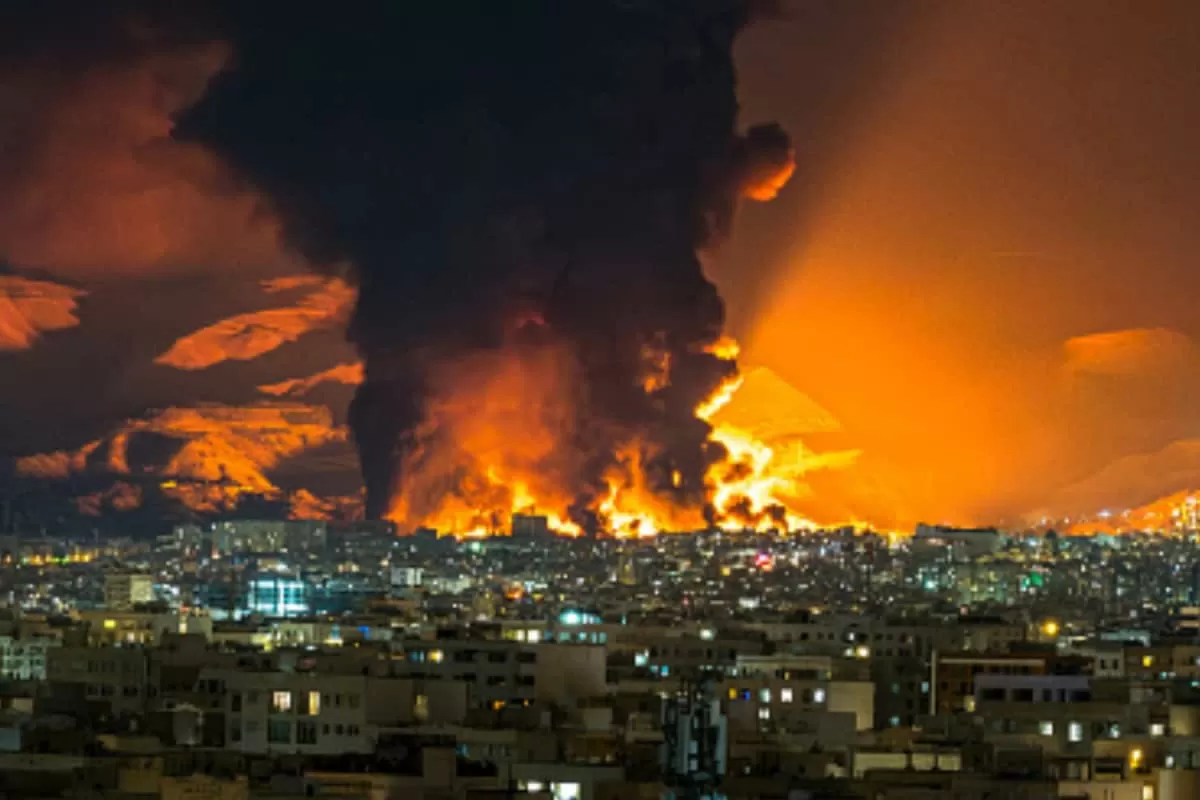
Tehran, the bustling capital of Iran, with a population of nearly nine million people, is known for its rich cultural heritage, ancient landmarks, and vibrant city life. However, one thing that often goes unnoticed is the city’s cleaner air. Despite being located in a region marred by conflict and surrounded by countries with severe air pollution, Tehran has managed to keep its air quality in check. This comes in stark contrast to cities in northern India, which are struggling to deal with alarming levels of pollution. The key difference lies in the structural pollution sources in these respective cities.
The World Health Organization (WHO) estimates that air pollution causes around seven million premature deaths every year globally, making it the single most significant environmental health risk. This year, the WHO released a list of the world’s most polluted cities, and it’s not surprising to see many cities in India prominently featured. Delhi, the capital city of India, has been battling with hazardous levels of pollution for years now. In November 2019, the city’s air quality reached ‘severe’ levels, and schools had to be closed, flights were diverted, and a public health emergency was declared. While this level of pollution is not new to Delhi, it has caused a considerable uproar, with people protesting and demanding immediate action from the government.
On the other hand, Tehran, a developing city facing its own challenges, has managed to keep its air quality relatively clean. So, what makes Tehran different? The answer lies in the structural pollution sources in the city. While both Tehran and Delhi have high traffic and industries, Tehran has taken significant steps to curb emissions from these sources. One of the primary sources of air pollution in cities is vehicular emissions. Tehran has implemented a strict vehicle inspection and maintenance program, which requires all cars to undergo regular check-ups to ensure they meet emission standards. This has significantly reduced the number of old and polluting vehicles on the roads, thereby reducing emissions.
Moreover, Tehran has also invested heavily in public transportation, with an extensive network of buses, trains, and metro lines. This has encouraged people to leave their cars at home, thus reducing vehicular emissions. The city also has a bike-sharing program, which has been a hit among the locals, promoting a healthier and more eco-friendly mode of transportation. On the other hand, cities in India lack efficient public transportation systems, and most people rely on personal vehicles, leading to a sharp increase in pollution levels.
Industries are another significant contributor to air pollution. Tehran has strict regulations in place to monitor and control industrial emissions. The city has also invested in better technology and clean energy sources, reducing the impact of industries on the environment significantly. In contrast, industries in India are responsible for a large chunk of pollution, with many operating without proper emission control measures in place.
Tehran’s government has also taken measures to reduce the use of fossil fuels and promote the use of clean energy sources. The city has invested in solar and wind energy, and many government buildings and universities have switched to using renewable energy. In contrast, Delhi, like many other cities in India, still relies heavily on coal and other fossil fuels for energy, contributing to the air pollution crisis.
It’s not just the government, but the people of Tehran have also played a vital role in keeping the city’s air clean. There is a growing awareness among the citizens about the harmful effects of air pollution and the need for individual responsibility to reduce it. People are encouraged to carpool, use public transportation, and make conscious choices to reduce their carbon footprint.
In addition to these structural differences, Tehran is located at a higher altitude, which experts believe helps in reducing pollution levels. The city is also surrounded by mountain ranges, which help in trapping pollutants and preventing them from spreading. These natural factors, coupled with the city’s efforts in reducing pollution, have contributed to Tehran’s cleaner air.
In conclusion, while many cities in the world are battling with alarming levels of air pollution, Tehran stands out as an example of effective measures taken to control and reduce pollution. The city’s focus on structural pollution sources, along with government initiatives and citizen participation, have created a positive impact on the environment, making Tehran a breath of fresh air in a region rife with conflict. As we continue to grapple with the effects of climate change, it is essential for cities to learn from Tehran’s example and take necessary steps to reduce pollution and preserve the environment for future generations.
