
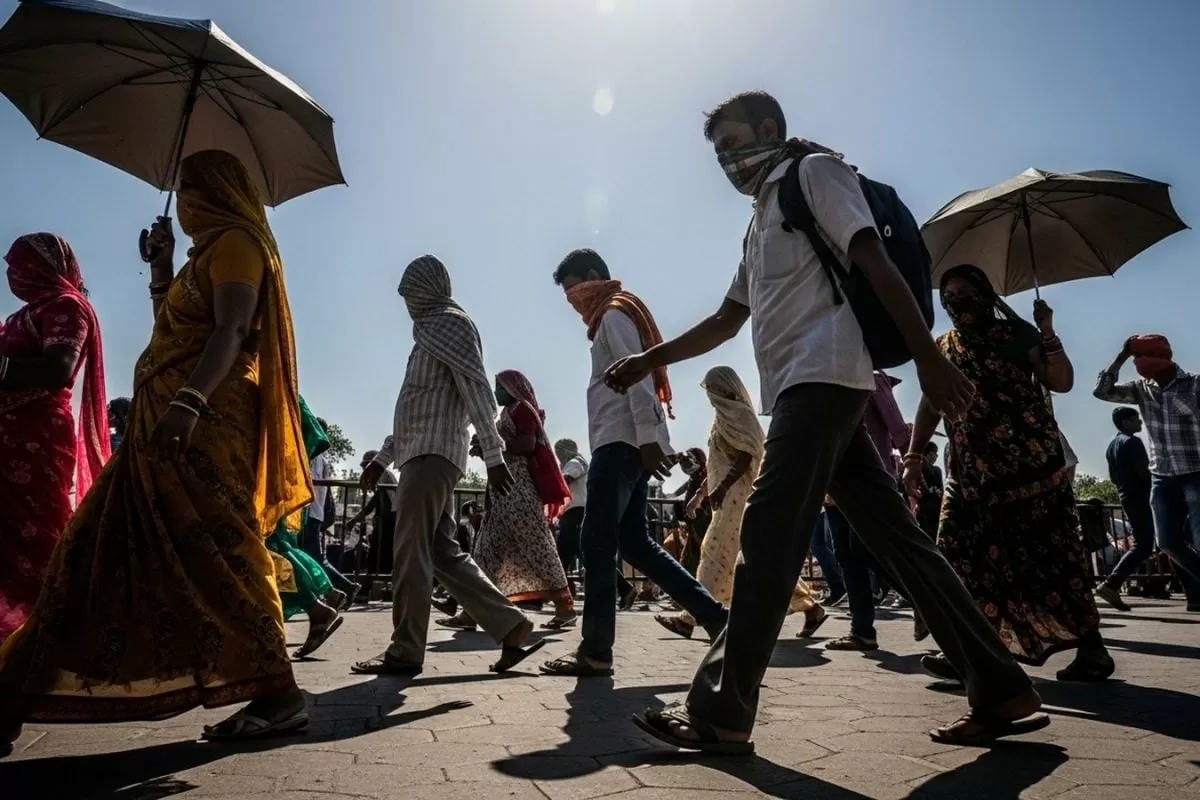
Heatwaves are becoming a common occurrence in many parts of the world, and their severity is only increasing due to the effects of climate change. These prolonged periods of extreme heat can be dangerous and even life-threatening, especially for vulnerable populations such as the elderly, young children, and those with pre-existing health conditions. It is crucial to take necessary precautions to stay safe and healthy during a heatwave. In this article, we will discuss some do’s and don’ts and IMD alerts to help you stay safe from heat-related illnesses.
DO’s:
1. Stay hydrated: The most important thing to remember during a heatwave is to stay hydrated. Drink plenty of water and avoid sugary or alcoholic beverages as they can cause dehydration. Keep a water bottle with you at all times and sip on it frequently.
2. Dress appropriately: Wear loose-fitting, lightweight, and light-colored clothing during a heatwave. This will help your body to stay cool and prevent heat-related illnesses. Avoid dark-colored clothing as they absorb more heat.
3. Stay indoors: If possible, stay indoors during the hottest part of the day, usually between 11 am to 4 pm. If you have to go outside, try to do so in the early morning or evening when the temperature is cooler.
4. Use sunscreen: Sunscreen is essential to protect your skin from the harmful UV rays of the sun. Apply sunscreen with an SPF of at least 30 before going outside, and reapply every two hours.
5. Keep your home cool: Use fans or air conditioners to keep your home cool during a heatwave. If you do not have access to these, keep your windows and curtains closed during the day to prevent the heat from entering your home.
6. Take breaks: If you have to work or engage in any physical activity during a heatwave, take frequent breaks to rest and cool down. Overexertion in extreme heat can lead to heat exhaustion or heatstroke.
7. Check on vulnerable individuals: Keep an eye on elderly family members, young children, and those with pre-existing health conditions. They are more susceptible to heat-related illnesses and may need extra care during a heatwave.
DON’Ts:
1. Do not leave children or pets in a parked car: It is never safe to leave children or pets in a parked car, especially during a heatwave. The temperature inside a car can rise to dangerous levels within minutes, even with the windows cracked open.
2. Do not engage in strenuous activities: Avoid any strenuous activities such as exercising or playing sports during a heatwave. These activities can put a strain on your body and increase the risk of heat-related illnesses.
3. Do not consume caffeine or alcohol: Caffeine and alcohol can cause dehydration, which can worsen the effects of extreme heat on your body. Avoid these beverages during a heatwave and opt for water instead.
4. Do not ignore symptoms: It is essential to pay attention to your body and any symptoms that may indicate heat-related illnesses. If you experience dizziness, nausea, headaches, or muscle cramps, seek medical attention immediately.
IMD Alerts:
The Indian Meteorological Department (IMD) issues heatwave alerts to warn people about the severity of the heatwave and the precautions they should take. These alerts are color-coded, with red being the most severe and orange being the least severe. It is crucial to stay updated with these alerts and take necessary precautions accordingly.
In addition to these do’s and don’ts and IMD alerts, it is also essential to be aware of the signs and symptoms of heat-related illnesses. Heat exhaustion and heatstroke are the most common heat-related illnesses, and they can be life-threatening if not treated promptly. Some common symptoms include dizziness, nausea, headaches, rapid heartbeat, and confusion. If you or someone you know experiences these symptoms, seek medical attention immediately.
In conclusion, heatwaves are a serious threat, and it is our responsibility to take necessary precautions to stay safe and healthy during these extreme weather conditions. By following these do’s and don’ts and staying updated with IMD alerts, we can protect ourselves and our loved ones from heat-related illnesses. Let us all do our part in mitigating the effects of climate change and creating a safer and healthier environment for ourselves and future generations. Stay safe and stay cool!
