
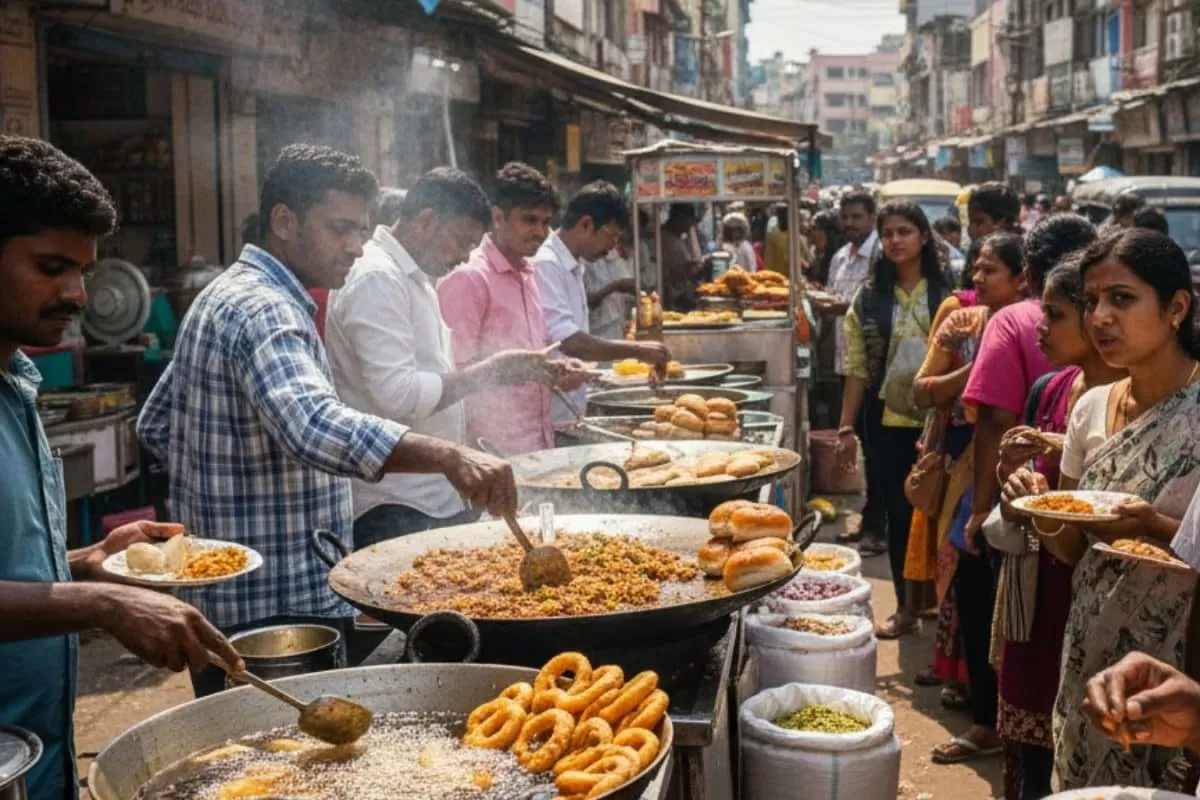
With the rise in commercial LPG prices and the strain on supply chains, there is a quiet yet significant shift happening in some of the most iconic food hubs around the world. The traditional use of LPG has long been a staple in the food industry, powering stoves and ovens in restaurants and food trucks alike. However, with the current economic and environmental challenges, many food hubs are now turning to high-tech and sustainable alternatives.
One of the main reasons for this transition is the soaring prices of commercial LPG. In recent years, the cost of LPG has increased significantly, putting a strain on the budgets of businesses in the food industry. This has forced many to look for more cost-effective solutions, and high-tech alternatives have emerged as a viable option.
One of these alternatives is the use of induction cooktops. These cooktops use electromagnetic energy to directly heat the cooking vessel, unlike traditional stoves that transfer heat through a flame. This results in a more efficient and precise cooking process, reducing the overall energy consumption. Not only does this save businesses money on their energy bills, but it also helps to reduce their carbon footprint.
Along with induction cooktops, many food hubs are also turning to electric ovens and grills. These appliances use electricity as a power source, eliminating the need for LPG altogether. With technological advancements, electric ovens and grills now offer the same quality and efficiency as traditional gas-powered ones. They also have the added benefit of being safer to use, as there is no risk of gas leaks or explosions.
The transition to high-tech solutions also brings with it a host of other benefits for food hubs. For instance, many of these appliances come with built-in timers and temperature controls, ensuring consistency in cooking and reducing the chances of human error. This is particularly useful for busy kitchens where multiple dishes are being prepared at once.
Moreover, these high-tech appliances are also easier to maintain and clean, making the day-to-day operations of a food hub more efficient. This not only saves time but also reduces the need for frequent repairs or replacements, thus cutting down on operational costs.
But it’s not just about cost savings and efficiency. The shift towards high-tech solutions also aligns with the growing consumer demand for sustainable and eco-friendly practices. With the rise of conscious consumerism, people are more aware of the impact their choices have on the environment. By adopting high-tech alternatives, food hubs can show their commitment to sustainability and attract a wider audience of environmentally-conscious customers.
This transition is not limited to traditional food hubs such as restaurants and food trucks. Even street vendors and food stalls are getting on board with the use of high-tech alternatives. In countries like India, where street food is a significant part of the culture, vendors are switching to electric tandoors and grills instead of traditional clay ovens. Not only does this make their operations more efficient, but it also reduces the smoke emissions and air pollution caused by traditional cooking methods.
Moreover, the transition to high-tech solutions is not just limited to cooking appliances. Many food hubs are also investing in high-tech refrigeration and storage systems. These advanced systems use less energy and have better temperature control, ensuring the quality and freshness of food products. This is crucial for businesses that rely on perishable ingredients and need to maintain a certain standard of quality.
The high-tech transition in food hubs is also driven by the need for more hygienic and contactless operations, especially in the wake of the COVID-19 pandemic. With automated and touchless equipment, food hubs can ensure the safety and well-being of their customers and employees. This not only boosts customer confidence but also protects the reputation of the business.
In conclusion, the soaring prices of commercial LPG and the strain on supply chains have forced many iconic food hubs to make a quiet yet significant transition towards high-tech alternatives. This shift not only offers cost savings and efficiency but also aligns with consumer demand for sustainable and eco-friendly practices. With technological advancements, high-tech solutions have become a viable and attractive option for businesses in the food industry. And as more food hubs make this transition, we can hope for a more sustainable and efficient future for the food industry.
