
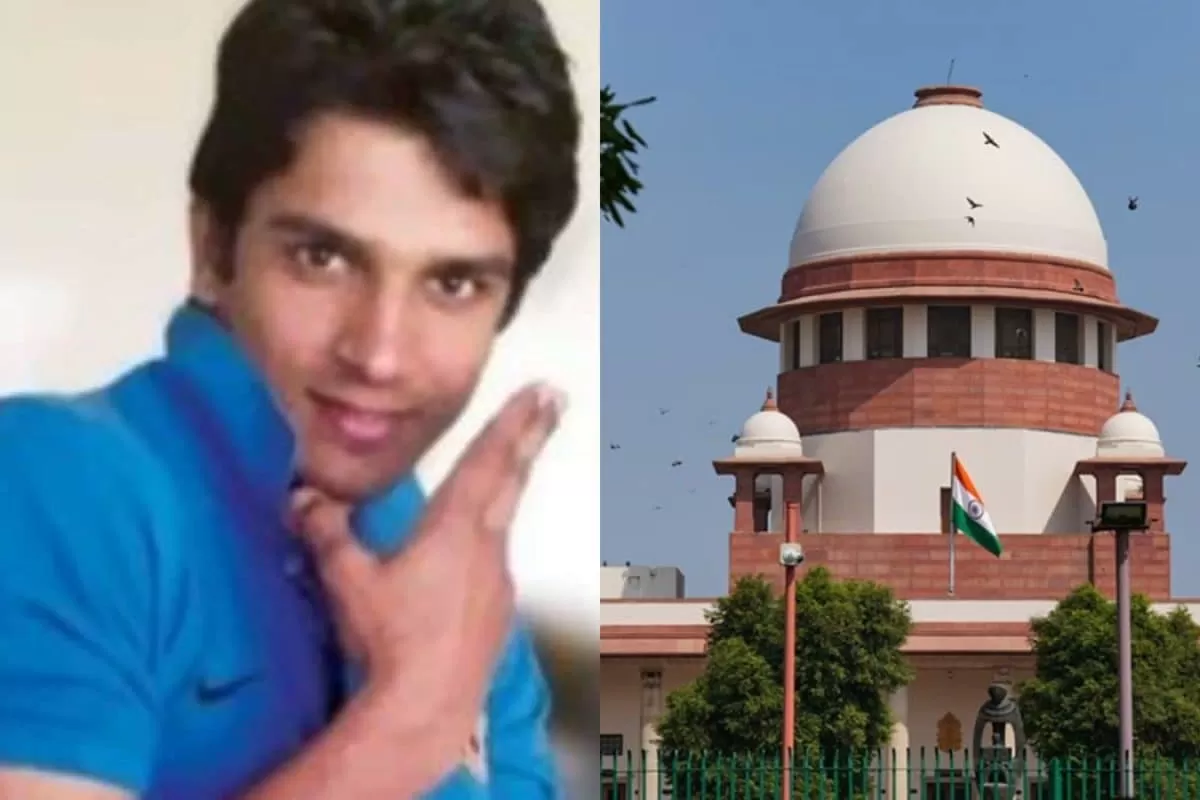
The Supreme Court of India has recently made a landmark decision that has been welcomed by many as a step towards compassion and understanding. In a judgment that will have far-reaching effects, the court has allowed the family of Harish Rana to withdraw life-sustaining treatment for him. Harish Rana, who has been in a vegetative state since a 2013 accident, will now be allowed to peacefully pass away, ending his family’s years of suffering and struggle.
The case of Harish Rana has been a long and emotional one, with his family fighting for his right to die with dignity. Harish was a young and vibrant man before his accident, working as a successful architect and enjoying life to the fullest. However, tragedy struck when he was involved in a serious car accident, leaving him in a vegetative state. Since then, he has been completely dependent on life-sustaining treatment, with no hope of recovery.
For the past seven years, Harish’s family has been in a constant state of turmoil, watching their beloved son, brother, and husband lying motionless on a hospital bed. With no chance of recovery, they have been pleading for the right to let him go peacefully, but were constantly met with legal and moral roadblocks. They were forced to watch their loved one’s body being kept alive artificially, while his mind and spirit were long gone.
But finally, their prayers have been answered. The Supreme Court, in a compassionate and enlightened decision, has recognized the family’s right to decide what is best for their loved one. The court has acknowledged the inherent dignity of human life and has granted Harish’s family the autonomy to make a decision that is in his best interest. This decision is a significant step towards recognizing the rights of an individual, even in the most difficult of circumstances.
The judgment also takes into account the financial and emotional burden that families like that of Harish have to bear. Keeping a loved one alive on life support for years on end is a costly affair, both financially and emotionally. It not only drains the family’s resources but also prolongs their suffering. With the Supreme Court’s decision, the families of patients in a vegetative state will no longer have to go through this agony and pain. They will now have the option to let their loved ones die with dignity, without any further financial and emotional burden.
The court’s decision is also a reflection of the evolving social and moral values of our society. It recognizes the growing acceptance of the idea of a dignified death in our society. The concept of a good death, where a person can die with respect and dignity, is gaining more support and understanding. The judgment is a clear indication that our society has matured and is ready to accept and respect an individual’s personal choices, even in matters of life and death.
Moreover, this judgment is not just about Harish Rana and his family. It is a victory for all those who have been fighting for the right to die with dignity. It is a victory for every individual who values their freedom and autonomy in making decisions that concern their own body and life. The court has set a precedent that will provide hope and solace to many families like that of Harish, who are struggling with similar situations.
In conclusion, the Supreme Court’s decision to allow the family of Harish Rana to withdraw life-sustaining treatment is a moment of triumph for humanity. It recognizes the fundamental right to life, which includes the right to die with dignity. It also reflects the changing social and moral values of our society and sets an example for other countries to follow. This decision is a significant step towards a more compassionate and understanding society, where the individual’s rights are always respected and upheld.
