
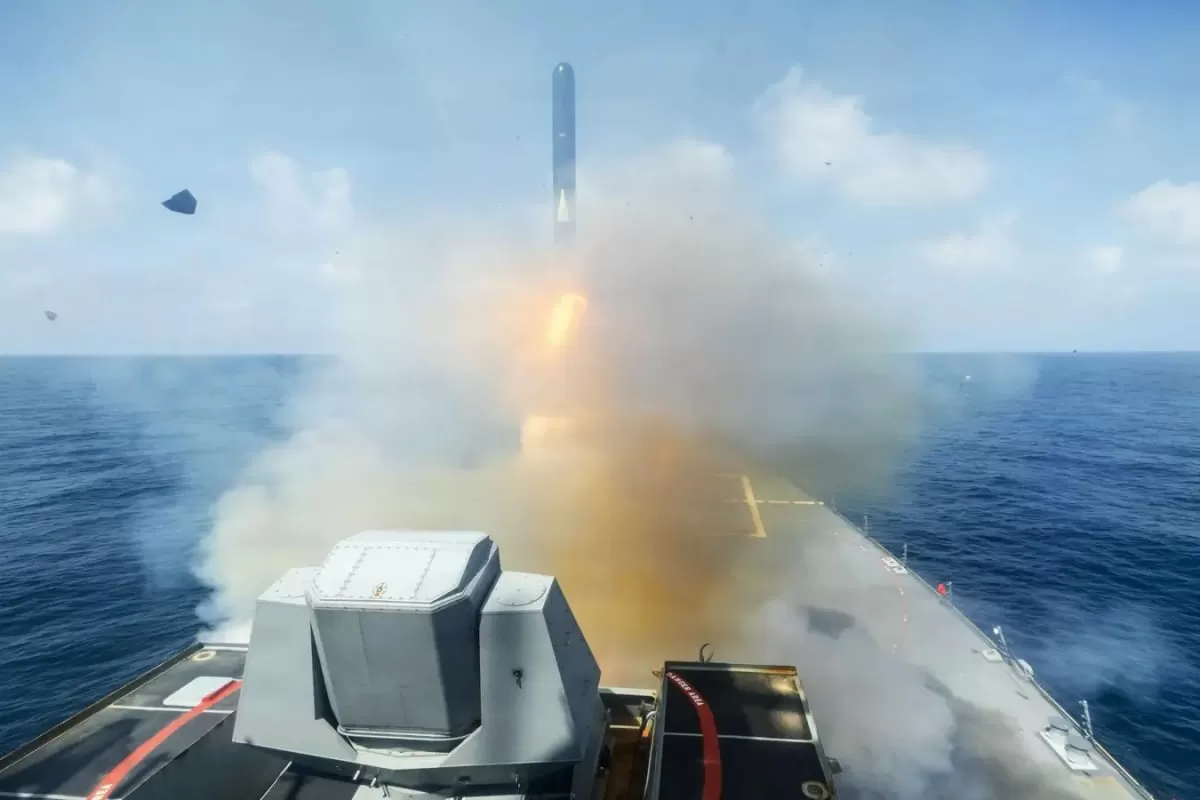
The ongoing conflict between Iran and U.S.-Israeli forces has once again escalated with the latest attacks on ships in the region. This marks the 16th ship to be struck since the fighting began, raising concerns about the increasing tensions between the two nations.
The recent attacks have caused widespread concern and condemnation from the international community. The United Nations has called for an immediate de-escalation of the conflict and urged both sides to engage in dialogue to find a peaceful resolution.
The attacks have also sparked fears of a potential full-scale war between Iran and the U.S.-Israeli forces. The situation is already volatile, and any further escalation could have catastrophic consequences for the entire region.
The latest attacks have been attributed to Iran, who has denied any involvement. However, the evidence points towards their involvement, and their continued denial only adds to the growing tensions between the two sides.
The attacks have targeted both commercial and military vessels, causing significant damage and disruption to the shipping industry. This has not only affected the economies of the countries involved but also the global economy, as the region is a major hub for international trade.
The U.S. and Israel have condemned the attacks and have vowed to take necessary action to protect their interests and allies in the region. This has further fueled the conflict, with both sides engaging in retaliatory measures.
The situation is complex and has been brewing for years, with underlying issues such as political differences, religious ideologies, and territorial disputes. However, the recent attacks have brought the conflict to the forefront, and it is now a matter of global concern.
The international community has called for a peaceful resolution to the conflict, with many countries offering to mediate between the two sides. It is crucial for all parties involved to engage in meaningful dialogue and find a diplomatic solution to avoid further escalation.
The attacks have also raised questions about the safety and security of shipping in the region. The Strait of Hormuz, a narrow waterway between Iran and Oman, is a vital route for oil tankers and other commercial vessels. Any disruption to this route could have severe consequences for the global economy.
In response to the attacks, the U.S. has deployed additional military forces to the region, while Israel has increased its naval presence. This has only added to the tensions, and there are concerns that any miscalculation or miscommunication could lead to a full-blown war.
The international community must come together to find a peaceful solution to this conflict. It is essential for all parties to exercise restraint and avoid any actions that could further escalate the situation.
The recent attacks have also highlighted the need for stronger diplomatic efforts to address the underlying issues between Iran and the U.S.-Israeli forces. It is crucial for all parties to engage in constructive dialogue and find a long-term solution to the conflict.
In conclusion, the latest attacks on ships in the region have raised concerns about the escalating conflict between Iran and U.S.-Israeli forces. It is crucial for all parties to exercise restraint and engage in meaningful dialogue to find a peaceful resolution. The international community must also play a role in mediating and finding a long-term solution to this ongoing conflict. The safety and security of the region and the global economy depend on it.
