
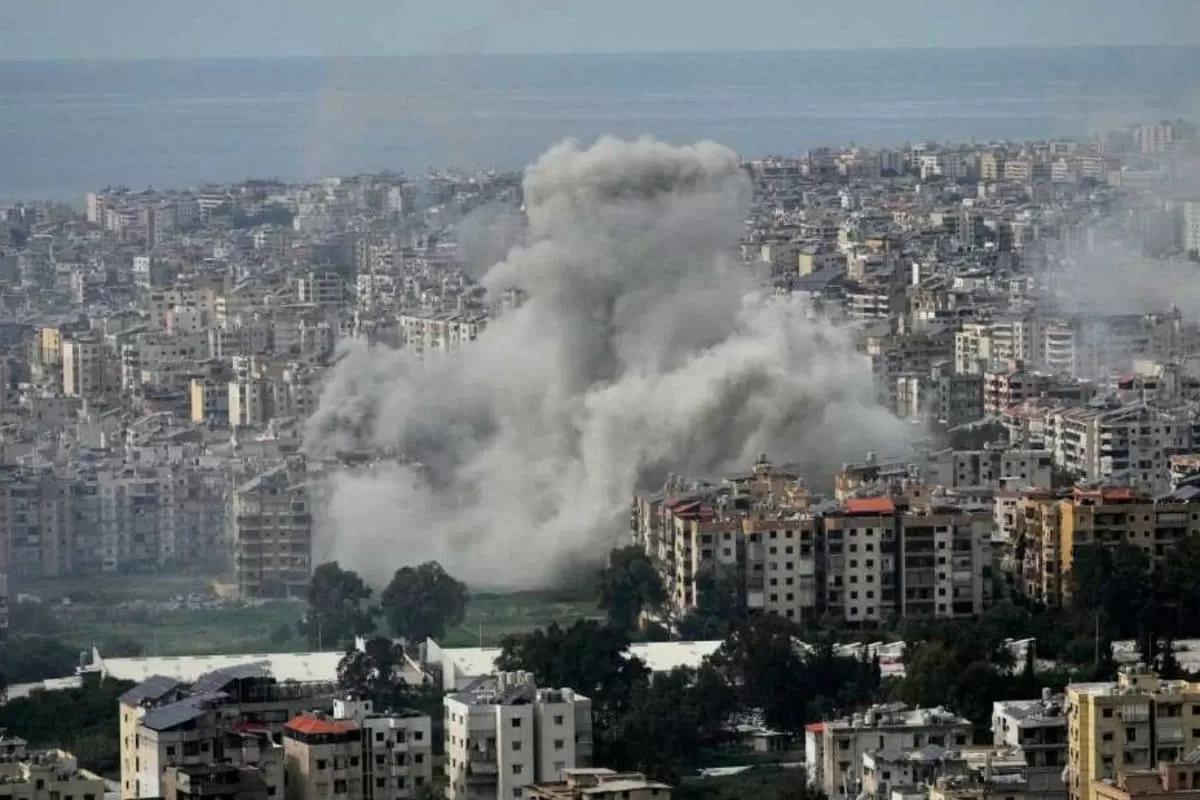
The ongoing conflict between the United States, Israel, and Iran has had a devastating impact on the Middle East’s tourism sector. According to the World Travel and Tourism Council (WTTC), the region is losing a staggering $600 million every day due to the tensions between these countries. This has not only affected the economies of the countries involved but has also caused major disruptions in the travel industry, with popular hubs like Dubai facing closures and a decline in tourism.
The Middle East has always been a popular destination for tourists from all over the world. Its rich history, diverse culture, and breathtaking landscapes have attracted millions of visitors each year. However, the recent tensions between the US, Israel, and Iran have caused a significant decline in tourism, resulting in a huge loss for the region’s economy.
The WTTC, a leading authority in the travel and tourism industry, has estimated that the ongoing conflict is costing the Middle East $600 million every day. This is a staggering amount that not only affects the tourism sector but also has a ripple effect on other industries such as hospitality, transportation, and retail. The loss of revenue has also led to job cuts and a decline in the standard of living for many people in the region.
One of the major hubs in the Middle East, Dubai, has been hit hard by the conflict. The city, known for its luxurious hotels, shopping malls, and iconic landmarks, has seen a significant decline in tourist arrivals. This has resulted in many hotels and businesses facing closures, and thousands of people losing their jobs. The once bustling city has now become a ghost town, with many businesses struggling to survive.
The impact of the conflict on the tourism sector is not limited to Dubai. Other popular destinations in the region, such as Egypt, Jordan, and Turkey, have also seen a decline in tourist arrivals. This has not only affected the economies of these countries but has also caused a negative perception of the region among potential visitors.
The ongoing conflict has also caused major disruptions in the travel industry. Many airlines have suspended their flights to the region, and those that are still operating have seen a decline in bookings. This has not only affected the airlines but has also caused inconvenience for travelers who had planned to visit the region.
The WTTC has called for an immediate resolution to the conflict, stating that the longer it continues, the more damage it will cause to the region’s tourism sector. The organization has also urged the governments of the countries involved to find a peaceful solution and put an end to the tensions that are affecting not only their own economies but also the rest of the region.
It is not just the loss of revenue that is concerning, but also the negative impact on the image of the Middle East as a safe and welcoming destination for tourists. The ongoing conflict has created a sense of fear and uncertainty among travelers, causing them to choose other destinations for their vacations.
The Middle East has always been a resilient region, and its tourism sector has bounced back from various challenges in the past. However, the current conflict is proving to be a major hurdle that needs to be addressed urgently. The region’s governments must work together to find a peaceful solution and restore stability to the region.
In conclusion, the ongoing conflict between the US, Israel, and Iran is not only causing a loss of revenue for the Middle East’s tourism sector but is also affecting the livelihoods of thousands of people. It is time for the governments involved to put their differences aside and work towards finding a peaceful resolution. The Middle East has so much to offer to the world, and it is time for the region to once again become a top tourist destination. Let us hope for a swift resolution to the conflict and a brighter future for the Middle East’s tourism sector.
