
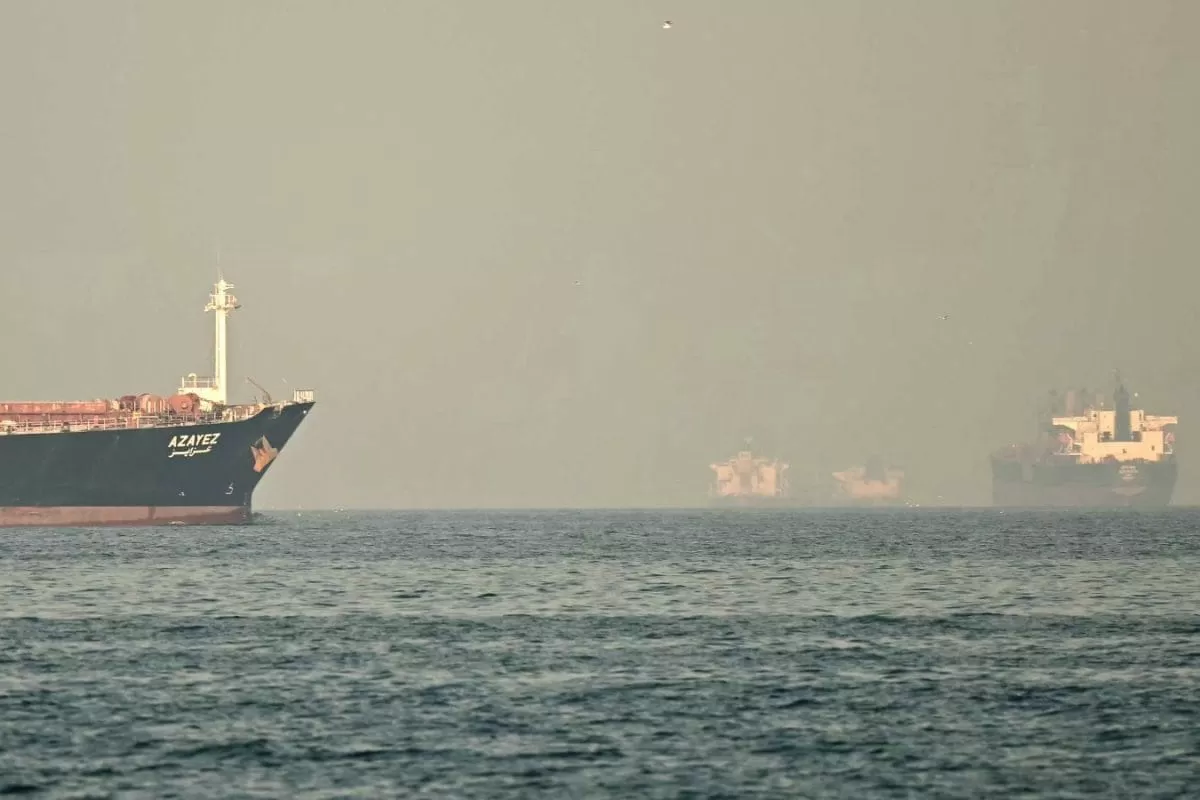
The recent movement of three million barrels of crude oil through the narrow waterway has sparked interest and raised questions about the current state of the oil industry in the Gulf region. The vessels, carrying the much-needed resource from Iraq and other Gulf producers, made their way through the waterway earlier this week, bringing hope for a prosperous future in the region.
The Gulf region has long been known for its rich reserves of oil, making it a key player in the global energy market. With countries like Iraq, Kuwait, and Saudi Arabia being major producers, the demand for oil from this region has always been high. However, in recent years, the industry has faced challenges due to economic and political instability, leading to a decline in production and exports.
But the recent movement of the three million barrels of crude oil seems to be a positive sign for the Gulf region. It shows that despite the challenges, the industry is still functioning and striving to meet the demands of the global market. This feat is even more commendable considering the current global pandemic and its impact on the oil industry.
The vessels, believed to be carrying oil from Iraq and other Gulf producers, have not only captured the attention of the global market but also raised hopes for the future of the region. The successful movement of such a large amount of crude oil highlights the resilience and determination of the Gulf countries to overcome the challenges and continue to be major players in the oil industry.
Moreover, this movement also brings with it economic benefits for the region. The export of oil contributes significantly to the economy of the Gulf countries, and with the successful movement of three million barrels, it is expected to boost their economies even further. This will not only benefit the countries directly involved but also have a positive ripple effect on the global economy.
The narrow waterway through which the vessels passed is also of great significance. The Strait of Hormuz, located between Iran and Oman, is one of the busiest and most strategic waterways in the world. It is the only sea passage from the Persian Gulf to the open ocean and is responsible for the transportation of almost one-fifth of the world’s oil supply. The successful movement of the vessels through this crucial waterway showcases the efficiency and capability of the Gulf countries in managing their oil exports.
The movement of three million barrels of crude oil also highlights the importance of cooperation and collaboration among the Gulf countries. Despite being competitors in the global market, these countries have come together to ensure the smooth transportation of oil and maintain the stability of the industry. This unity and teamwork are essential for the sustainable growth of the oil industry in the region.
In conclusion, the recent movement of three million barrels of crude oil from Iraq and other Gulf producers through the narrow waterway is a positive development for the region. It not only showcases the resilience and determination of the Gulf countries but also brings economic benefits and highlights the importance of cooperation among them. This feat is a clear indication that the Gulf region is still a major player in the global energy market and is ready to overcome any challenges that come its way.
