
Cooking is an essential part of our daily lives, and with the increasing cost of cooking gas, it has become more important than ever to find ways to save on gas usage. Luckily, experts have shared some simple habits that can help us reduce our cooking gas consumption by up to 20%. These habits not only save us money but also contribute to a more sustainable and eco-friendly lifestyle.
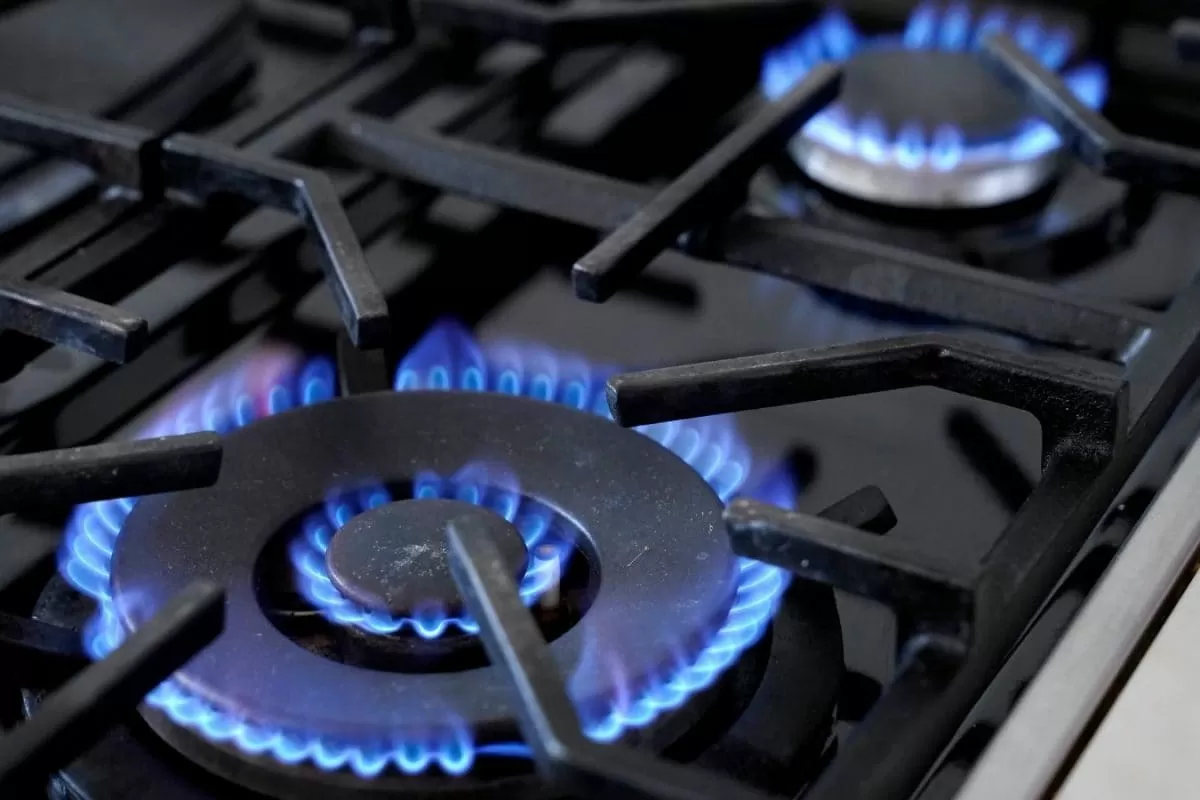
One of the most effective ways to save on cooking gas is by cleaning the burners regularly. Over time, the burners can get clogged with food debris and grease, which can cause them to use more gas to heat up. By simply wiping the burners with a damp cloth after each use, we can ensure that they are free from any residue and functioning efficiently. This small habit can make a significant difference in our gas usage and ultimately our gas bills.
Another habit that can help us save on cooking gas is by using lids while cooking. When we cook without a lid, the heat escapes, and it takes longer for the food to cook. This results in using more gas than necessary. By using lids, we trap the heat inside the pot or pan, allowing the food to cook faster and using less gas. This simple step can save us up to 5-10% of our gas usage.
Experts also suggest preparing ingredients in advance as a way to save on cooking gas. Chopping, peeling, and measuring ingredients before we start cooking can save us time and gas. When we are well-prepared, we can cook more efficiently, reducing the time our gas burners are on. This can lead to significant gas savings, especially when we have a busy schedule and need to cook multiple meals in a day.
Apart from these habits, there are other ways to save on cooking gas as well. For instance, using the right-sized pot or pan for the dish we are cooking can make a difference. A smaller pot on a large burner can waste gas, and a larger pot on a small burner can take longer to cook, using more gas. It is essential to match the pot size to the burner size to maximize gas efficiency.
Furthermore, we can also save on gas by using the residual heat in the oven. After we turn off the oven, there is still some heat left inside. By turning off the oven a few minutes before the cooking time is over and letting the residual heat finish the cooking process, we can save on gas usage. This may seem like a small step, but it can add up to significant savings over time.
In addition to these habits, it is also crucial to maintain our cooking equipment regularly. A well-maintained oven and gas stove can use gas more efficiently. It is recommended to have them serviced at least once a year to ensure they are functioning optimally. This can also prevent any potential gas leaks, which can be hazardous to our health and the environment.
Apart from these practical tips, there are also some lifestyle changes we can make to reduce our cooking gas usage. For instance, cooking in large batches and freezing leftovers can save us time and gas in the long run. We can also opt for one-pot meals or use a slow cooker, which uses less gas compared to cooking on a stovetop.
In conclusion, small habits can make a significant impact on our cooking gas usage and ultimately our gas bills. By incorporating these simple habits into our daily routine, we can save up to 20% on our gas consumption. Not only will this save us money, but it will also contribute to a more sustainable and eco-friendly lifestyle. Let us all do our part in conserving resources and reducing our carbon footprint by adopting these habits and encouraging others to do the same.
