
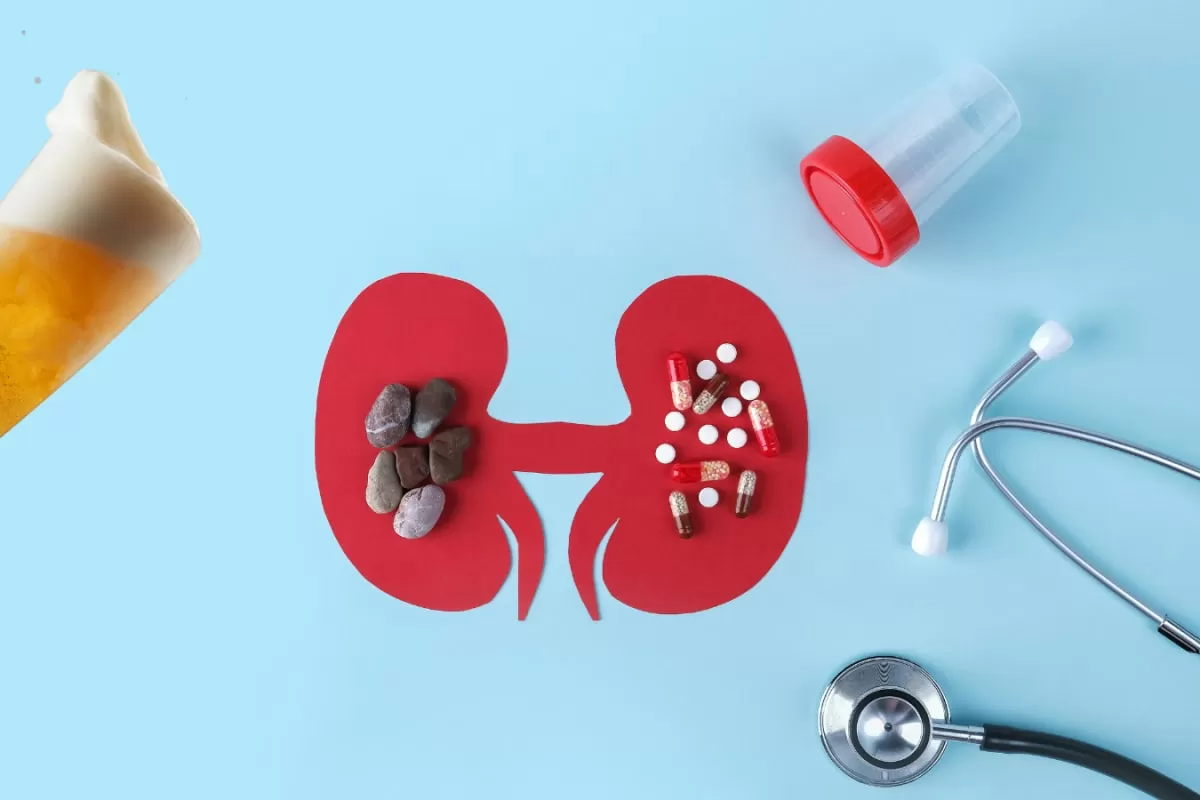
Kidney diseases are a serious health concern that affects millions of people worldwide. These conditions can be extremely debilitating and have a significant impact on a person’s quality of life. However, the good news is that many kidney diseases can be avoided or their course can be changed with the help of doctors who recognize them at the very first stages.
The kidneys are vital organs responsible for filtering waste products from the blood and maintaining the body’s fluid balance. When the kidneys are not functioning properly, waste products can build up in the blood, causing a range of health problems. There are various types of kidney diseases, including acute and chronic conditions, and they can be caused by a variety of factors such as infections, autoimmune disorders, and genetic predisposition.
One of the most effective ways to prevent kidney diseases is to maintain a healthy lifestyle. This includes eating a balanced diet, staying hydrated, and getting regular exercise. By doing so, you can reduce your risk of developing conditions such as high blood pressure and diabetes, which are major risk factors for kidney disease. Additionally, avoiding unhealthy habits such as smoking and excessive alcohol consumption can also help protect your kidneys.
However, despite our best efforts, sometimes kidney diseases can still occur. This is where the role of doctors becomes crucial. A timely diagnosis and proper treatment can make all the difference in the course of the disease. That’s why it’s essential to be aware of the warning signs and symptoms of kidney disease and seek medical attention if you experience any of them.
Some common symptoms of kidney disease include changes in urination, such as decreased or increased frequency, blood in the urine, and difficulty passing urine. Other signs may include fatigue, swelling in the hands and feet, and persistent high blood pressure. It’s important to note that these symptoms may not always be present, and some people may not experience any symptoms at all. That’s why regular check-ups with a doctor are essential, especially if you have a family history of kidney disease or have any underlying health conditions.
Early detection of kidney disease is crucial because it allows for timely intervention and management. Doctors can perform various tests to assess kidney function, such as blood and urine tests, imaging scans, and biopsies. These tests can help identify the type and severity of the disease, which is essential for determining the most appropriate treatment plan.
In many cases, early-stage kidney disease can be managed with lifestyle changes and medications. For example, controlling blood pressure and blood sugar levels can help slow the progression of kidney disease. In more severe cases, such as advanced chronic kidney disease, doctors may recommend dialysis or a kidney transplant. These interventions can significantly improve the quality of life for those with kidney disease and even save lives.
Moreover, doctors who specialize in kidney diseases, known as nephrologists, play a crucial role in the management of these conditions. They have extensive knowledge and experience in diagnosing and treating kidney diseases, and they work closely with other healthcare professionals to provide comprehensive care to their patients. Nephrologists can also educate their patients on how to manage their condition and prevent further complications, such as kidney failure.
In addition to medical treatment, emotional and psychological support is also vital for those living with kidney disease. It can be challenging to cope with the physical and emotional toll that these conditions can have on a person. That’s why doctors who specialize in kidney diseases not only provide medical care but also offer support and guidance to their patients and their families.
In conclusion, many kidney diseases can be avoided or their course can be changed with the help of doctors who recognize them at the very first stages. By maintaining a healthy lifestyle and seeking medical attention when needed, we can reduce our risk of developing kidney diseases and improve our chances of early detection and effective treatment. Let’s take care of our kidneys, and they will take care of us.
