
The Gulf and Strait of Hormuz have been in the news lately due to a series of vessel attacks that have been reported since February 28th. These attacks have caused concern and raised questions about the safety of this important waterway, which is a crucial route for global oil shipments.
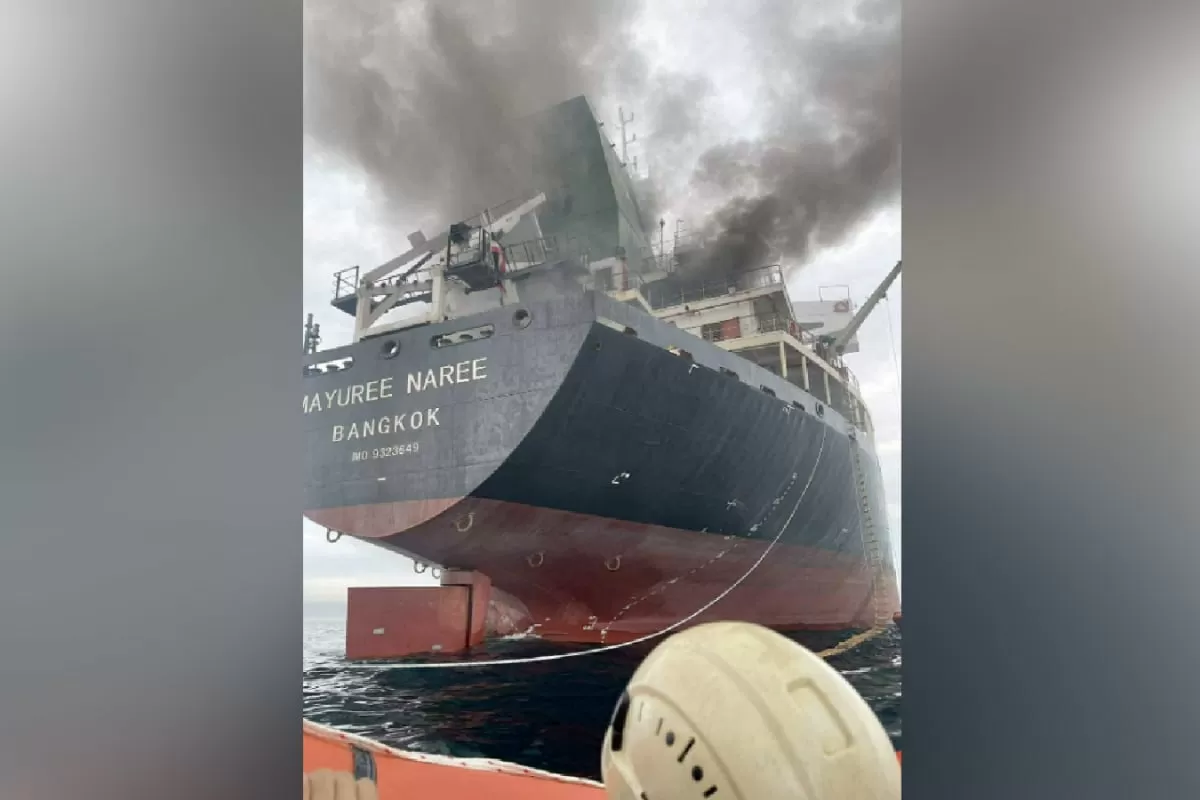
According to reports, there have been at least 18 vessel attacks in the Gulf and Strait of Hormuz since February 28th. The latest incident involved a Thailand-flagged vessel, Mayuree Naree, which was hit near Oman. This attack has further heightened tensions in the region and has raised concerns about the security of vessels passing through the Gulf and Strait of Hormuz.
The Gulf and Strait of Hormuz are located between Iran and the Arabian Peninsula, and they are considered to be one of the world’s most important waterways. It is estimated that about one-fifth of the world’s oil supply passes through this narrow strait, making it a vital route for global trade and commerce. Therefore, any disruption or threat to the safety of vessels passing through this area can have a significant impact on the global economy.
The recent attacks on vessels in the Gulf and Strait of Hormuz have been a cause for concern for the international community. The attacks have been attributed to various factors, including tension between Iran and the United States, and the ongoing conflict in Yemen. These attacks have also been linked to the increased piracy and smuggling activities in the region.
The safety and security of vessels passing through the Gulf and Strait of Hormuz are of utmost importance, and it is crucial that measures are taken to ensure their protection. The international community, including the United Nations and the Gulf Cooperation Council, have called for increased security measures in the region to prevent further attacks on vessels.
In response to these attacks, the United States has announced plans to form a coalition to protect vessels passing through the Gulf and Strait of Hormuz. The coalition, known as the International Maritime Security Construct, will include countries such as the United Kingdom, Australia, and Bahrain, among others. The primary objective of this coalition is to ensure the safety and security of vessels in the region and to deter any further attacks.
The formation of this coalition has been welcomed by many countries, including those in the region. The United Arab Emirates has also announced that it will be joining the coalition to protect its vessels passing through the Gulf and Strait of Hormuz. This move is a significant step towards ensuring the safety and security of vessels in the region and maintaining the stability of global trade.
In addition to the formation of the coalition, there have been calls for increased diplomatic efforts to resolve the tensions in the region. The recent attacks on vessels have highlighted the need for dialogue and cooperation between countries to address the underlying issues and prevent any further escalation of the situation.
It is essential to note that the recent attacks on vessels in the Gulf and Strait of Hormuz have not caused any significant disruptions to global oil shipments. However, it is crucial that measures are taken to prevent any future attacks and to ensure the smooth flow of trade through this vital waterway.
In conclusion, the recent attacks on vessels in the Gulf and Strait of Hormuz have raised concerns about the safety and security of this important waterway. However, the formation of the International Maritime Security Construct and the increased diplomatic efforts are positive steps towards ensuring the protection of vessels passing through this region. It is essential for all countries to work together to maintain the stability and security of the Gulf and Strait of Hormuz for the benefit of the global economy.
