
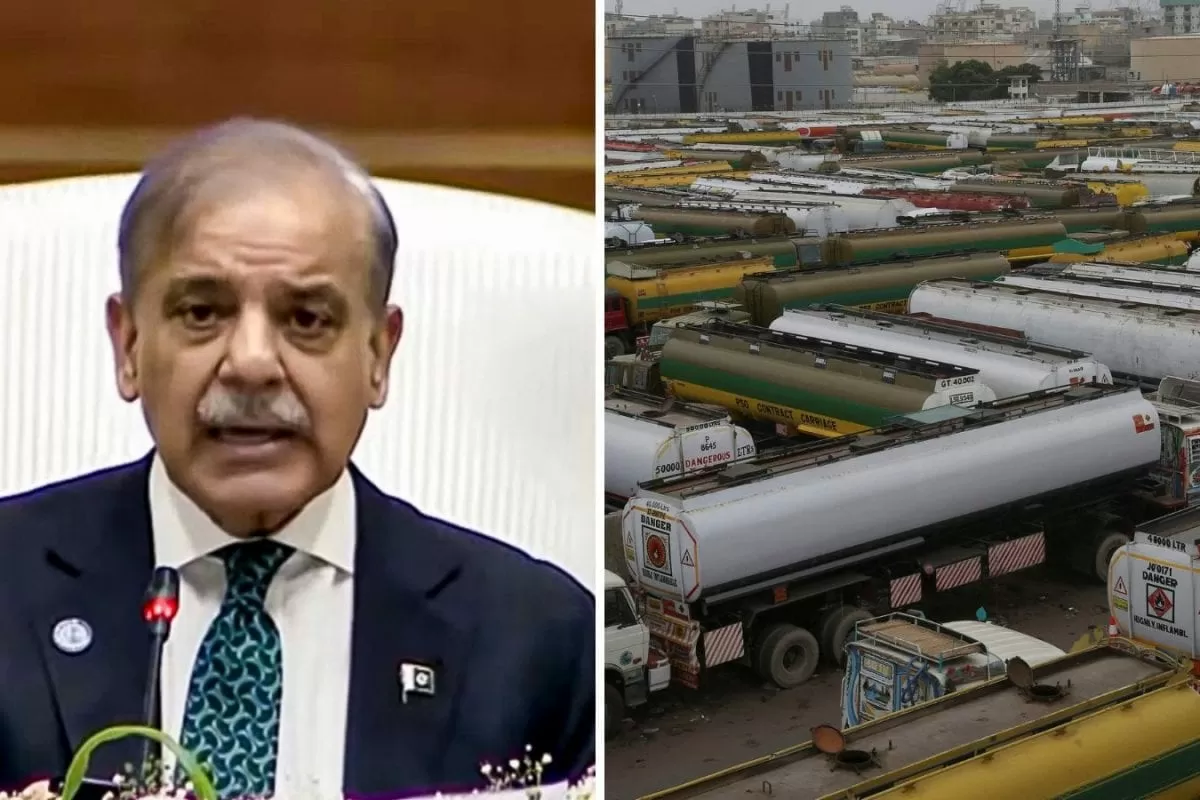
Pakistan is currently facing a difficult dilemma as it navigates between fulfilling the strict fiscal requirements of its $7-billion IMF programme and protecting its citizens from record-breaking inflation during the holy month of Ramadan. This is a challenging situation for the country, as it strives to maintain economic stability while also ensuring the well-being of its people.
The International Monetary Fund (IMF) programme was initiated in 2019, with the aim of providing financial assistance to Pakistan in order to stabilize its economy and promote sustainable growth. In return, Pakistan was required to implement certain economic reforms, including reducing its fiscal deficit, increasing tax revenue, and controlling inflation. These measures were necessary to improve the country’s economic outlook and attract foreign investment.
However, as the holy month of Ramadan approaches, Pakistan is facing a surge in inflation, with prices of essential commodities skyrocketing. This has put a strain on the already struggling economy and has made it difficult for the common man to make ends meet. The rising cost of food items, especially fruits and vegetables, has made it challenging for families to prepare traditional iftar meals, which are an integral part of the Ramadan experience.
The government is facing immense pressure from the public to take immediate action to control inflation and provide relief to the people during this holy month. However, at the same time, it is also under pressure from the IMF to stick to the agreed-upon economic reforms. This has put the government in a difficult position, as it tries to strike a balance between fulfilling its obligations to the IMF and addressing the concerns of its citizens.
In this challenging situation, the government has taken several steps to mitigate the impact of inflation on the public. It has reduced taxes on essential food items and has also launched a Ramadan Relief Package, which includes subsidies on various food items. The government has also increased the supply of essential commodities in the market to ensure their availability at affordable prices.
Furthermore, the State Bank of Pakistan has taken measures to control inflation by keeping the interest rate unchanged and providing liquidity to the market. The government has also launched a crackdown on hoarders and profiteers who are taking advantage of the situation and artificially inflating prices.
Despite these efforts, the government is facing criticism from some quarters for not doing enough to control inflation. However, it is important to understand that the government is operating under strict fiscal constraints due to the IMF programme. Any deviation from the agreed-upon economic reforms could have serious consequences for the country’s economy in the long run.
Moreover, it is also important to note that the IMF programme is not just about fulfilling fiscal requirements, but it also aims to promote long-term economic stability and growth. By implementing these reforms, Pakistan will be able to attract foreign investment, create job opportunities, and improve the overall economic situation of the country. This, in turn, will benefit the citizens in the long run.
It is also worth mentioning that the government has taken several steps to provide relief to the most vulnerable segments of society during Ramadan. The Ehsaas Programme, which is the largest social safety net in the country’s history, has been expanded to provide financial assistance to those in need. This programme has been instrumental in providing relief to millions of families during the ongoing pandemic and is now playing a crucial role in mitigating the impact of inflation during Ramadan.
In conclusion, Pakistan is facing a difficult dilemma between fulfilling the strict fiscal requirements of its IMF programme and protecting its citizens from record-breaking inflation during Ramadan. However, the government is taking proactive measures to address the concerns of the public while also staying committed to the economic reforms. It is important for the citizens to understand the gravity of the situation and support the government in its efforts to stabilize the economy and improve the overall living standards of the country. With collective efforts and a positive outlook, Pakistan will be able to overcome this challenge and emerge stronger and more prosperous in the future.
