
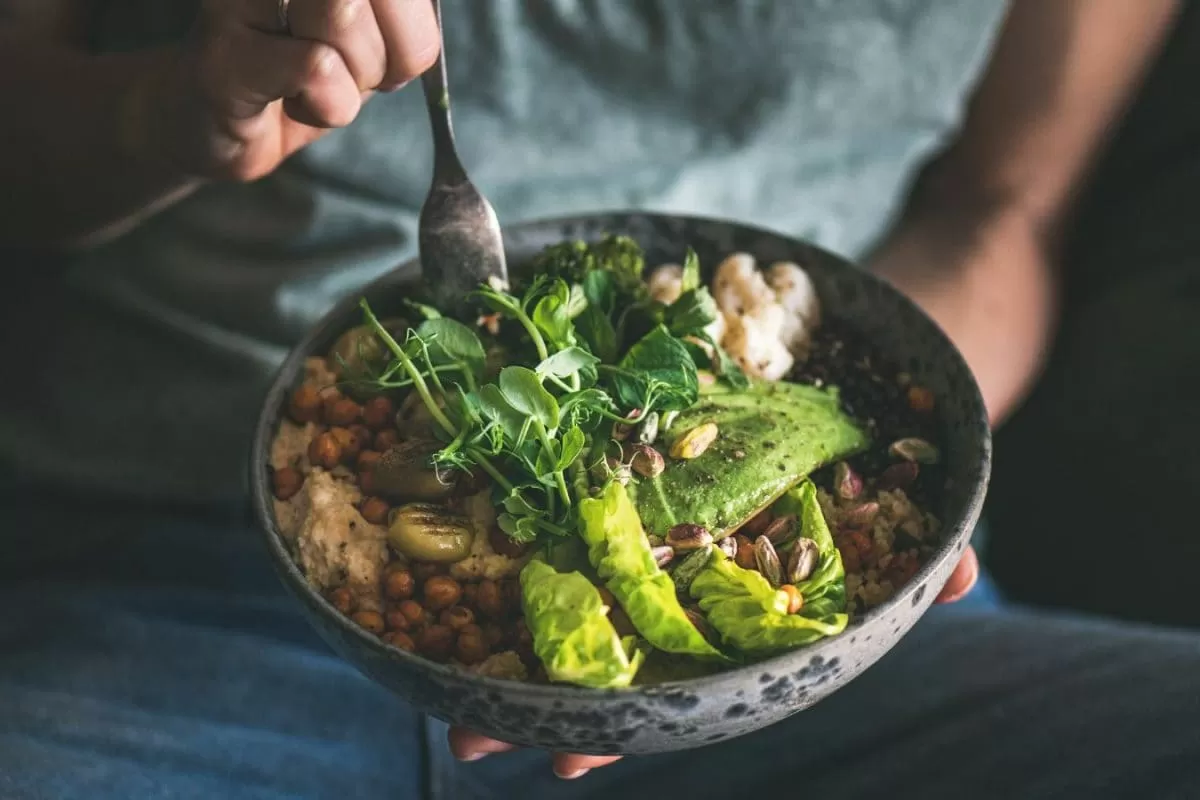
In recent years, the term “flexitarian” has been buzzing around the health and wellness world. But what exactly does it mean? Put simply, a flexitarian is someone who primarily follows a plant-based diet but occasionally incorporates meat and other animal products into their meals. This way of eating is gaining popularity for its potential health benefits, especially for gut health.
Gastroenterologists, or doctors who specialize in the digestive system, have been studying the effects of the flexitarian diet on gut health and the results are promising. Let’s dive into what the experts have to say about this plant-forward, flexible approach to eating and how it can improve digestion and support a healthy microbiome.
What is the gut microbiome?
First, let’s understand what the gut microbiome is and why it’s important. The gut microbiome is a complex community of bacteria, viruses, and fungi that reside in our digestive tract. These microorganisms play a crucial role in maintaining our overall health by aiding in digestion, supporting our immune system, and even influencing our mood.
When our gut microbiome is imbalanced, it can lead to a host of health issues, including digestive problems, autoimmune disorders, and mental health disorders. This is where the flexitarian diet comes in – by promoting a diverse and healthy gut microbiome, it can potentially improve our overall health and well-being.
How does the flexitarian diet benefit gut health?
One of the main reasons why the flexitarian diet is good for gut health is because it focuses on consuming a variety of plant-based foods. Whole plant foods such as fruits, vegetables, whole grains, legumes, nuts, and seeds are rich in fiber, vitamins, minerals, and antioxidants that are essential for maintaining a healthy gut microbiome.
Fiber, in particular, plays a crucial role in promoting good gut health. It acts as a prebiotic, which means it nourishes the good bacteria in our gut, helping them thrive and keeping the harmful bacteria in check. A diet that is rich in fiber can help to prevent constipation, diarrhea, and other digestive issues.
Moreover, plant-based foods are also lower in saturated fats and higher in unsaturated fats, which have been linked to a healthy gut microbiome. Studies have shown that a plant-based diet can reduce the levels of inflammatory markers in our body, which is vital for maintaining a healthy gut.
Flexibility is key to a healthy gut
As the name suggests, the flexitarian diet allows for flexibility in food choices, making it more sustainable for many people compared to a strict vegetarian or vegan diet. This flexibility can also have a positive impact on gut health.
When we restrict ourselves too much, we tend to miss out on essential nutrients that our body needs. By allowing for the occasional consumption of animal products, the flexitarian diet can provide the essential vitamins and minerals that are vital for gut health, such as iron, zinc, and B vitamins.
Moreover, having a flexible approach to eating can also reduce stress and anxiety around food choices, which is crucial for good gut health. Stress has been known to negatively impact the gut microbiome, leading to digestive issues. With the flexitarian diet, there is no need to worry about strict rules or restrictions, allowing for a more relaxed and enjoyable eating experience.
Tips for following a flexitarian diet for gut health
If you’re interested in adopting a flexitarian approach to eating, here are some tips from gastroenterologists to help you get started:
1. Fill half of your plate with fruits and vegetables at every meal. This will ensure that you are getting a variety of nutrients and fiber in your diet.
2. Incorporate plant-based proteins such as beans, lentils, tofu, tempeh, and nuts into your meals. These foods are not only good sources of protein but also contain beneficial fiber and other nutrients that promote good gut health.
3. Limit your intake of processed and red meats. While occasional consumption is allowed in a flexitarian diet, it’s important to limit these foods as they have been linked to an increased risk of certain health issues.
4. Experiment with new recipes and flavors. One of the joys of a flexitarian diet is the variety of plant-based foods and recipes you can try. Don’t be afraid to step out of your comfort zone and explore new flavors and ingredients.
5. Listen to your body. Everyone’s body is different, so it’s essential to pay attention to how different foods make you feel. If
