
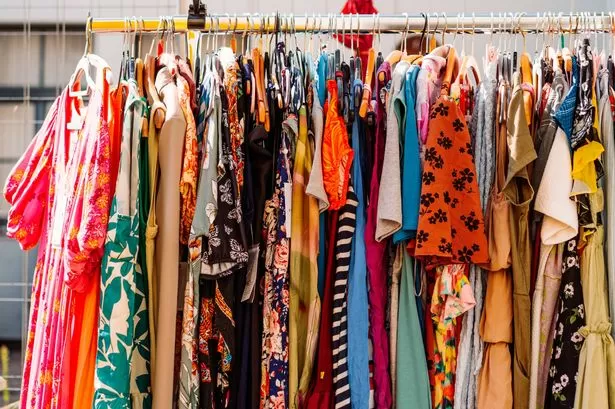
Nessa, a 25-year-old charity shop worker, is not afraid to admit that her job sometimes leads her to more disappointment than delight. While working in bargain stores can bring a sense of satisfaction, Nessa has revealed that there is a key issue that often makes life problematic for those in her line of work.
Charity shops, also known as thrift stores, have been around for decades and are known for selling second-hand items at discounted prices. They not only provide a sustainable solution for reusing items but also raise funds for various charities. However, amidst the excitement of finding hidden gems, there are times when charity shop workers like Nessa end up with “tat” instead of treasure.
For Nessa, the disappointment comes from receiving donations that are unsuitable for sale. From broken appliances to stained clothing, she has seen it all. These unwanted items not only take up space in the shop but also consume time and resources in terms of sorting and discarding them.
One may wonder why people donate such items in the first place. The truth is, many well-intentioned donors are not aware of what is suitable to donate and what is not. While their hearts are in the right place, their lack of knowledge can lead to problems for charity shops.
To address this issue, Nessa and her colleagues have taken it upon themselves to educate the community on what items are acceptable for donation. They have put up signs and created social media posts to spread awareness and encourage people to donate valuable and usable items. Nessa believes that this not only benefits the charity shop but also the donors, as they can feel good about making a meaningful contribution.
Apart from unsuitable donations, another challenge Nessa faces is the stigma attached to shopping at charity stores. She has seen people walk into the shop with a sense of superiority, looking down on the items and treating them as “tat.” Nessa believes that this attitude is not only hurtful but also untrue. “Many of our items are in excellent condition and some are even brand new. Just because they are second-hand does not make them any less valuable,” she says.
Nessa, who has been working at the charity shop for three years, has also witnessed the changing attitudes of customers over time. More and more people are realizing the value of shopping at charity stores, not just for the affordable prices but also for the positive impact it has on the environment. By giving items a second life, customers are reducing their own carbon footprint and contributing to a sustainable future.
Despite the challenges, Nessa remains passionate about her job and the cause it supports. She says that the sense of fulfillment she gets when a customer finds a valuable item and walks away with a smile on their face makes it all worth it. “Working in a charity shop is not only about finding treasures, but also about making a difference in the world,” she adds.
As the demand for sustainable and ethical shopping continues to rise, the role of charity shops in promoting this cause becomes even more crucial. In fact, Nessa believes that the key issue she faces is also an opportunity for the charity shop community to further educate and engage with the public. By working together, they can create a positive impact and turn “tat” into treasure for a better future.
In conclusion, Nessa’s job as a charity shop worker may have its ups and downs, but her passion for making a difference and her willingness to educate others has not wavered. Despite ending up with “tat” sometimes, she remains optimistic and motivated, determined to continue her efforts in creating a more sustainable and compassionate world. And that, in itself, is a treasure.
