
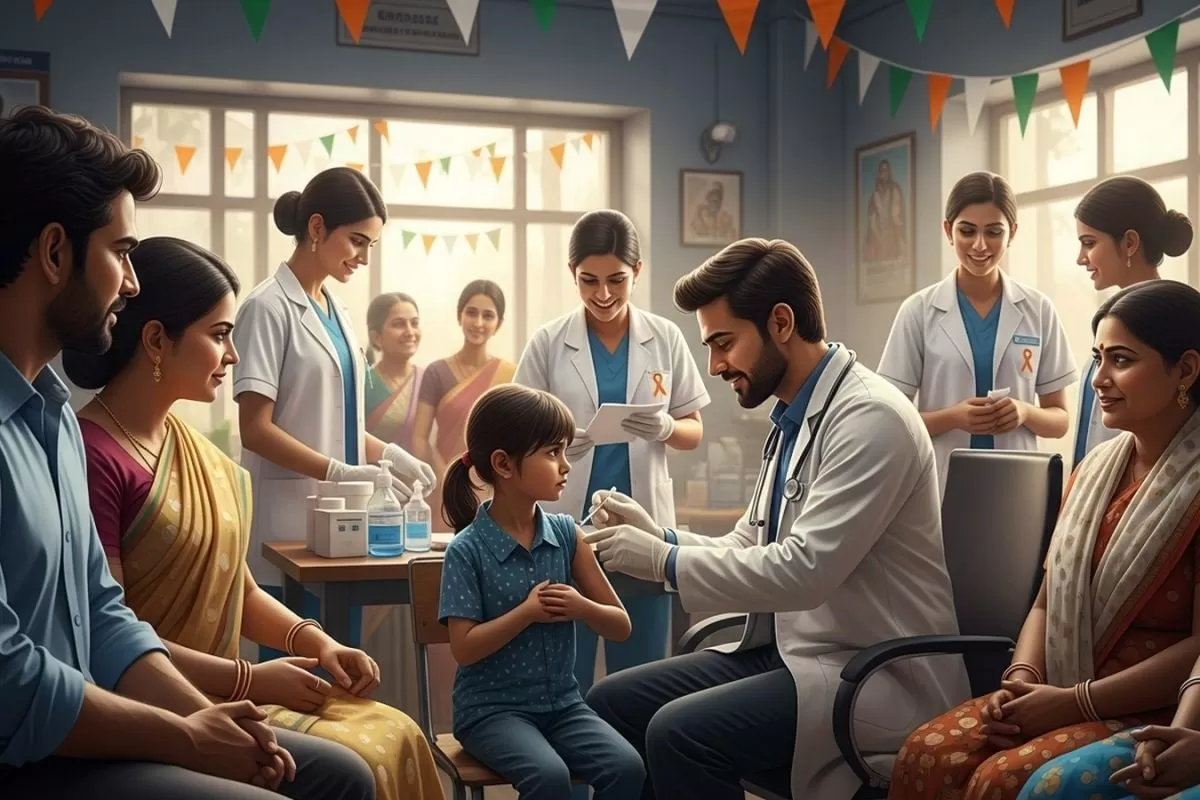
March 16 marks an important day in the history of India – National Vaccination Day. This day not only commemorates the country’s fight against polio but also serves as a reminder of the crucial role of vaccination in protecting millions of lives from life-threatening diseases. The significance of this day cannot be understated, as it highlights the success of India’s immunisation programmes and the importance of continuing to strive towards a healthier and disease-free nation.
Polio, a highly infectious viral disease, was once a major health concern in India, causing paralysis and even death in its victims. However, with the implementation of the National Polio Eradication Programme in 1995, India has come a long way in eradicating this crippling disease. The programme, which was a collaborative effort between the government, international organisations, and volunteers, aimed to vaccinate every child under the age of five against polio. Through rigorous vaccination campaigns and surveillance, India was able to achieve a significant milestone in 2014 – the eradication of polio from the country. This monumental achievement was a result of the tireless efforts of healthcare workers, community leaders, and the support of the public.
The success of the polio eradication programme in India is a testament to the power of vaccination. Vaccines not only protect individuals from diseases but also prevent the spread of these diseases to others. This is known as herd immunity, where a significant portion of the population is vaccinated, making it difficult for the disease to spread. With the eradication of polio, India has witnessed a decline in other infectious diseases as well, such as measles and tetanus, which were once major health concerns. This further emphasizes the importance of vaccination and the need for continued efforts to ensure the immunisation of all.
National Vaccination Day serves as a reminder that the fight against diseases is an ongoing battle. While India has achieved great success in eradicating polio, there are still many diseases that pose a threat to the health of the population. Vaccination plays a crucial role in preventing these diseases and protecting individuals, especially children, who are more vulnerable to infections. It is important for every individual to be aware of the recommended vaccination schedule and ensure that they and their loved ones are up to date with their vaccinations.
The government of India, along with international organisations, has been working tirelessly to provide affordable and accessible vaccines to all. The Universal Immunisation Programme (UIP) was launched in 1985, and since then, it has expanded to cover 12 life-threatening diseases, including polio, measles, hepatitis B, and tuberculosis. The programme also aims to reach out to underprivileged communities and remote areas, ensuring that no one is left behind in the fight against preventable diseases.
However, despite these efforts, there are still challenges that need to be addressed. One of the major challenges is the spread of misinformation and myths about vaccines, leading to vaccine hesitancy among some individuals. It is crucial to educate the public about the safety and effectiveness of vaccines and dispel any misconceptions. Community engagement and awareness campaigns play a vital role in building trust and increasing vaccine acceptance.
On this National Vaccination Day, let us celebrate the success of India’s immunisation programmes and acknowledge the hard work of all those who have contributed to making this possible. It is also a time to reflect on the importance of vaccinations and the need to continue to strive towards a healthier and disease-free nation. Let us all take a pledge to stay up to date with our vaccinations and encourage others to do the same. Together, we can ensure a healthier future for ourselves and our loved ones.
