
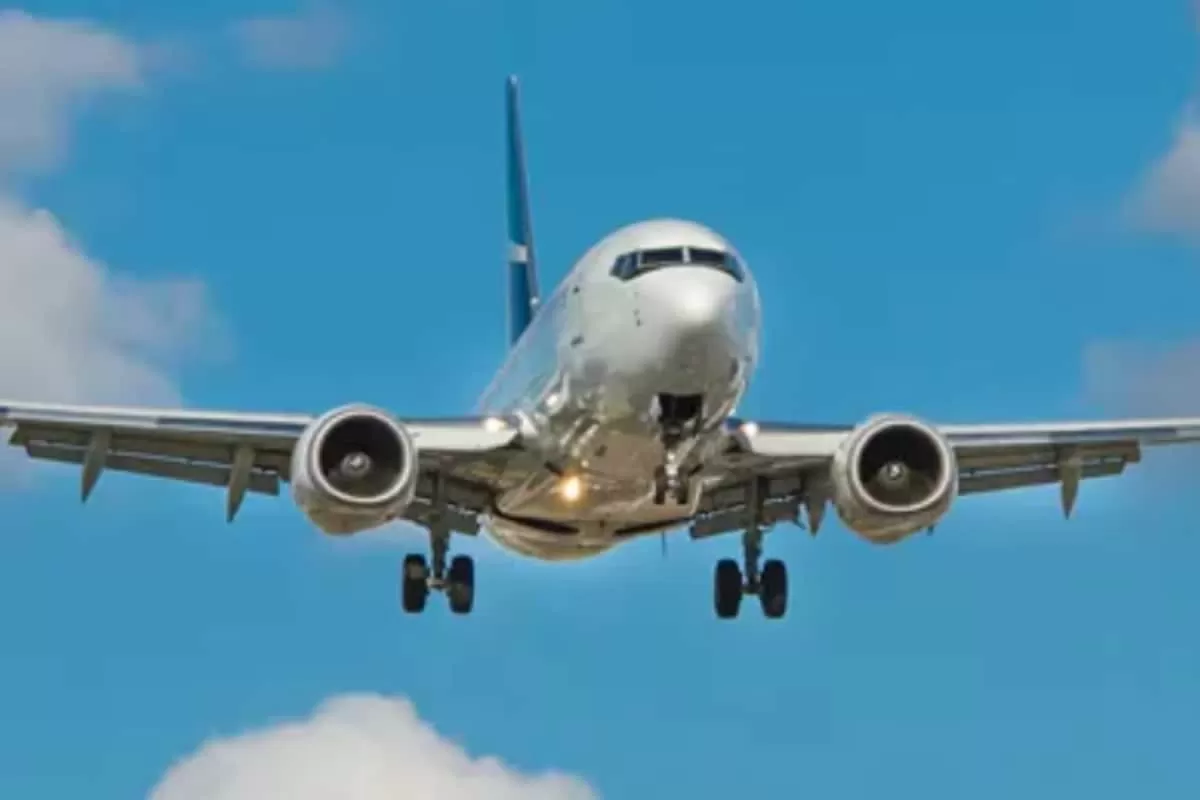
Wars have been a constant presence throughout human history, and their impact is felt in every aspect of our lives. One of the most affected industries is air travel, as conflicts can lead to the closure of airspace. However, despite the dangers and challenges, passenger planes rarely stop flying during wars. This may seem like a risky decision, but the truth is that airlines have developed sophisticated strategies to reroute flights, monitor risks, and keep air travel operating safely during conflicts.
The first step in ensuring the safety of air travel during wars is to closely monitor the situation on the ground. Airlines have dedicated teams that constantly monitor the political and security situation in different regions of the world. This includes keeping track of any potential conflicts or threats that may arise. By staying informed, airlines can make informed decisions about whether to reroute flights or cancel them altogether.
In cases where airspace is closed due to a conflict, airlines have contingency plans in place to reroute flights to alternative routes. This involves working closely with air traffic control authorities and other airlines to find the safest and most efficient routes. These routes may be longer and more expensive, but the safety of passengers and crew is always the top priority.
Rerouting flights during conflicts also requires careful consideration of the potential risks involved. Airlines take into account factors such as the type of conflict, the weapons being used, and the capabilities of the opposing forces. They also consider the location of military bases and potential targets, as well as the presence of air defense systems. By analyzing all these factors, airlines can determine the safest routes to take and minimize the risk to their passengers and crew.
In addition to rerouting flights, airlines also implement other safety measures during conflicts. This includes increasing the altitude of flights to avoid potential threats on the ground. It also involves avoiding flying over conflict zones or areas where there is a high risk of terrorist activity. These measures may result in longer flight times and higher fuel costs, but they are necessary to ensure the safety of passengers and crew.
Another crucial aspect of keeping air travel safe during conflicts is communication. Airlines have established channels of communication with government agencies, intelligence services, and other airlines to share information and coordinate efforts. This allows them to stay updated on the latest developments and make informed decisions about flight routes and schedules.
Furthermore, airlines also have emergency response plans in place in case of any unforeseen events during a conflict. This includes having trained personnel on board to handle any emergency situations, as well as having access to medical assistance and evacuation services if needed. These measures provide reassurance to passengers that their safety is a top priority for the airline.
Despite the challenges and risks, airlines understand the importance of keeping air travel operational during conflicts. It not only allows people to continue with their travel plans but also ensures the flow of essential goods and services. In some cases, airlines may even play a crucial role in providing humanitarian aid and evacuating people from conflict zones.
In conclusion, wars may close airspace, but airlines have developed comprehensive strategies to keep air travel operating safely during conflicts. By closely monitoring the situation, rerouting flights, implementing safety measures, and maintaining effective communication, airlines are able to minimize the risks and ensure the safety of their passengers and crew. This is a testament to the resilience and adaptability of the aviation industry, and it is a testament to the commitment of airlines to provide safe and reliable air travel, even in the most challenging of times.
