
Kidney disease is a silent but serious health condition that affects millions of people around the world. It is estimated that one in ten adults have some form of kidney damage, and the numbers continue to rise. The scariest part about kidney disease is that it often develops without any noticeable symptoms until it reaches an advanced stage. However, there are subtle signs that may appear early on, and it is crucial to pay attention to them and seek medical help. In this article, we will discuss the symptoms of kidney disease that you should not ignore, as explained by doctors.
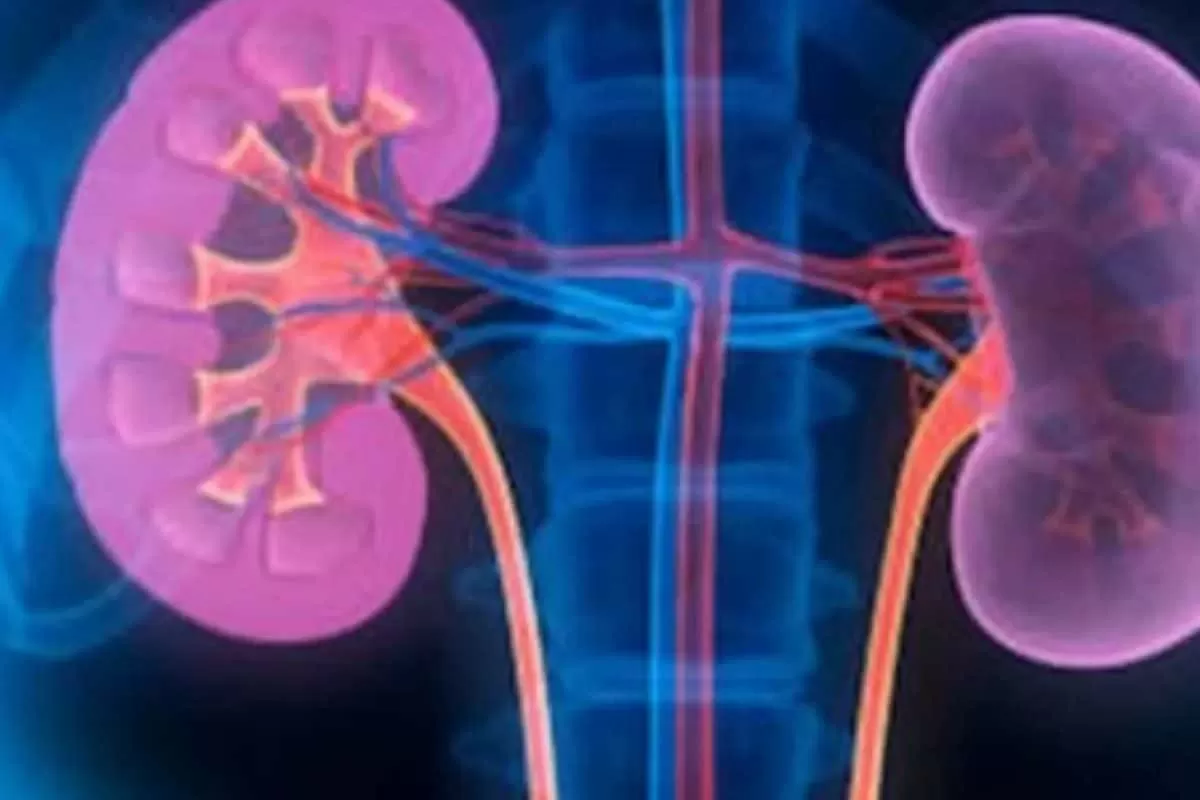
Firstly, let’s understand what kidney disease is. The kidneys are vital organs responsible for filtering waste products and excess fluids from the blood. They also help regulate blood pressure and produce hormones that stimulate red blood cell production. When the kidneys are damaged, waste and fluids accumulate in the body, causing various health problems. Kidney disease can be caused by various factors, including high blood pressure, diabetes, family history, and certain medications.
One of the earliest signs of kidney disease is swelling in the legs, ankles, feet, and hands. This swelling, also known as edema, occurs because the kidneys are not functioning correctly, and the body retains more fluid than it should. The fluid buildup can cause discomfort and make it difficult to walk or stand for long periods. In some cases, the swelling may also affect the face, particularly around the eyes. If you notice any swelling, it is essential to consult a doctor to determine the cause.
Numbness and tingling sensations in the hands and feet may also be an early sign of kidney disease. This occurs when the kidneys cannot remove waste and toxins from the blood, causing nerve damage. Numbness and tingling may also be accompanied by muscle cramps and weakness. If you experience these symptoms, it is essential to get your kidney function tested.
Fatigue and weakness are common symptoms of many health conditions, but they can also indicate kidney disease. When the kidneys are not functioning correctly, the body does not get rid of toxins and waste, leading to a buildup of these substances in the blood. This, in turn, can cause fatigue, weakness, and an overall feeling of being unwell. If you feel unusually tired and weak, it is crucial to consult a doctor and get your kidney function checked.
Another subtle sign of kidney disease is changes in urination. This includes difficulty in urinating, foamy or bubbly urine, and frequent urination, especially at night. These changes occur because the kidneys are not filtering waste properly, and the body is trying to remove excess fluids. In some cases, there may be blood in the urine, which is a severe symptom and requires immediate medical attention.
It is also important to pay attention to changes in appetite and weight. Kidney disease can cause a loss of appetite, nausea, and vomiting, leading to weight loss. On the other hand, it can also cause weight gain due to fluid retention. Both these changes should not be ignored and must be discussed with a doctor.
In advanced stages of kidney disease, there may be visible changes in the urine’s color, such as dark or bloody urine. This occurs due to the presence of blood or protein in the urine, both of which are signs of kidney damage. If you notice any changes in the color of your urine, it is crucial to get it checked by a doctor.
Apart from these symptoms, there may be other signs of kidney disease, such as itchy skin, bad breath, and a metallic taste in the mouth. These symptoms occur due to the buildup of waste products in the blood, which can affect various organs in the body.
It is essential to remember that the symptoms of kidney disease can vary from person to person, and some people may not experience any symptoms at all. Therefore, it is crucial to get regular check-ups, especially if you have risk factors for kidney disease. Early detection and treatment can help prevent further damage to the kidneys and improve the overall quality of life.
In conclusion, kidney disease is a serious health condition that often develops silently. However, there are subtle signs that may appear early on, and it is crucial not to ignore them. Swelling in the legs, numbness or tingling sensations, fatigue, changes in urination, changes in appetite or weight, and changes in the urine’s color are all symptoms that may indicate kidney disease. If you experience any of these symptoms, it is essential to consult
