
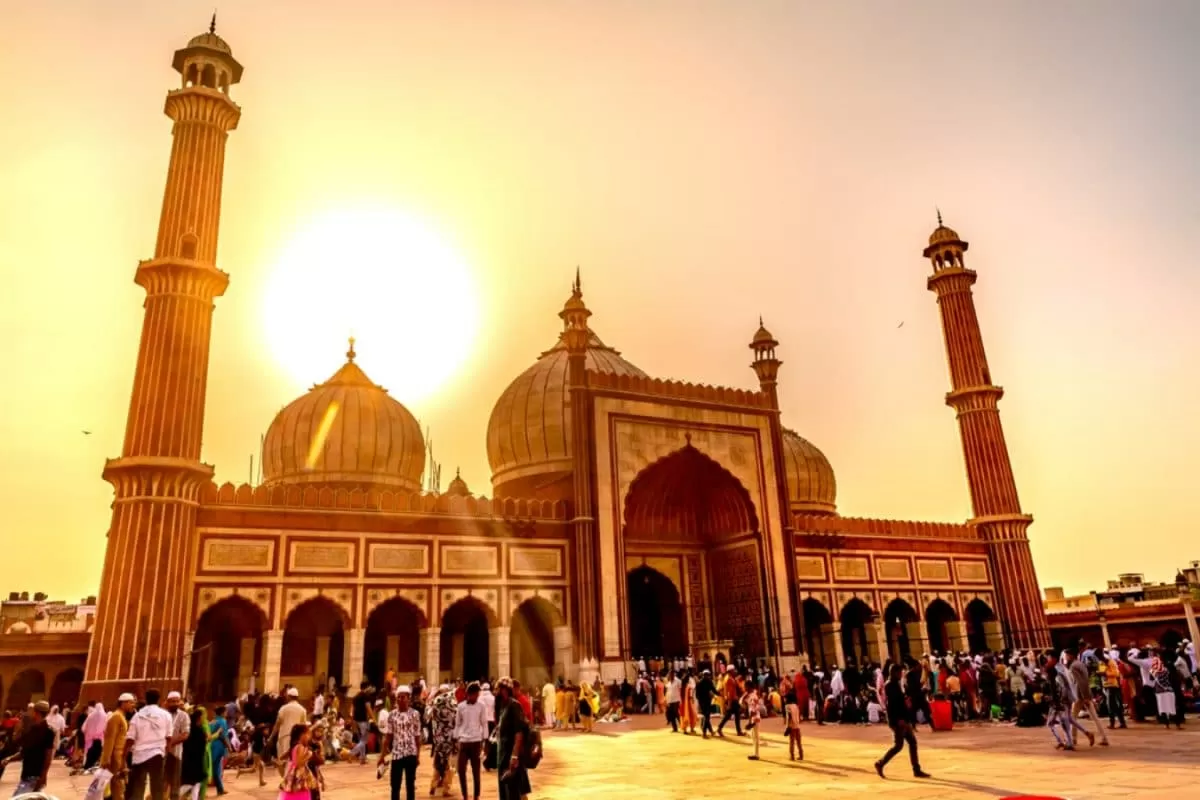
Eid 2026: Celebrating Diversity in India
Eid, the festival of breaking the fast, is one of the most significant and joyous occasions for Muslims around the world. It marks the end of the holy month of Ramadan, a time of spiritual reflection and self-restraint. However, in India, the celebration of Eid 2026 will be a little different. This year, some states will observe Eid on March 20, while others will celebrate it on March 21. This difference in dates has sparked a debate and raised questions about the unity of the Muslim community in India. But, in reality, this diversity in celebrating Eid is a beautiful reflection of the country’s cultural and religious diversity.
The reason behind the difference in dates lies in the regional differences in moon sighting methods. In Islam, the lunar calendar is followed, and the sighting of the new moon marks the beginning of a new month. However, there are two methods of determining the new moon: the traditional method of physical sighting and the scientific method of astronomical calculations. While some states in India follow the traditional method, others rely on scientific calculations.
The states that follow the traditional method of moon sighting, such as Uttar Pradesh, Bihar, and West Bengal, will celebrate Eid on March 21. According to this method, the new moon must be physically sighted by the naked eye to declare the beginning of the new month. This method has been followed for centuries and is deeply rooted in the cultural and religious traditions of these states. It is believed that the physical sighting of the moon brings a sense of unity and excitement among the community, as they come together to look for the new moon.
On the other hand, states like Kerala, Tamil Nadu, and Karnataka follow the scientific method of moon sighting. According to this method, the new moon is calculated based on astronomical data, and the beginning of the new month is declared accordingly. This method is considered more accurate and reliable, as it eliminates the possibility of human error in sighting the moon. It also ensures that the dates of Eid are consistent every year, making it easier for people to plan their celebrations.
The difference in dates of Eid has been a topic of discussion for many years, and it has often been seen as a division within the Muslim community. However, this diversity in celebrating Eid is not a new phenomenon. It has been happening for decades, and it is a reflection of the cultural and religious diversity of India. The country is home to a diverse population of Muslims, each with their own unique traditions and customs. This diversity is what makes India a beautiful and vibrant nation.
Moreover, the difference in dates of Eid should not be seen as a division, but rather as a celebration of unity in diversity. It is a reminder that despite our differences, we are all united in our faith and our love for Allah. The Prophet Muhammad (peace be upon him) said, “The diversity of the ummah (community) is a mercy from Allah.” This diversity is a blessing that should be embraced and celebrated, not a cause for division.
Furthermore, the difference in dates of Eid also highlights the importance of tolerance and understanding within the Muslim community. It is essential to respect each other’s traditions and methods of worship, as long as they are in accordance with the teachings of Islam. The Quran says, “And hold firmly to the rope of Allah all together and do not become divided.” This verse emphasizes the importance of unity and solidarity among Muslims, regardless of their differences.
In conclusion, the difference in dates of Eid 2026 in India is a reflection of the country’s cultural and religious diversity. It is a celebration of unity in diversity and a reminder of the importance of tolerance and understanding within the Muslim community. Let us embrace this diversity and come together to celebrate the joyous occasion of Eid, regardless of the date. May this Eid bring peace, love, and unity to all. Eid Mubarak!
