
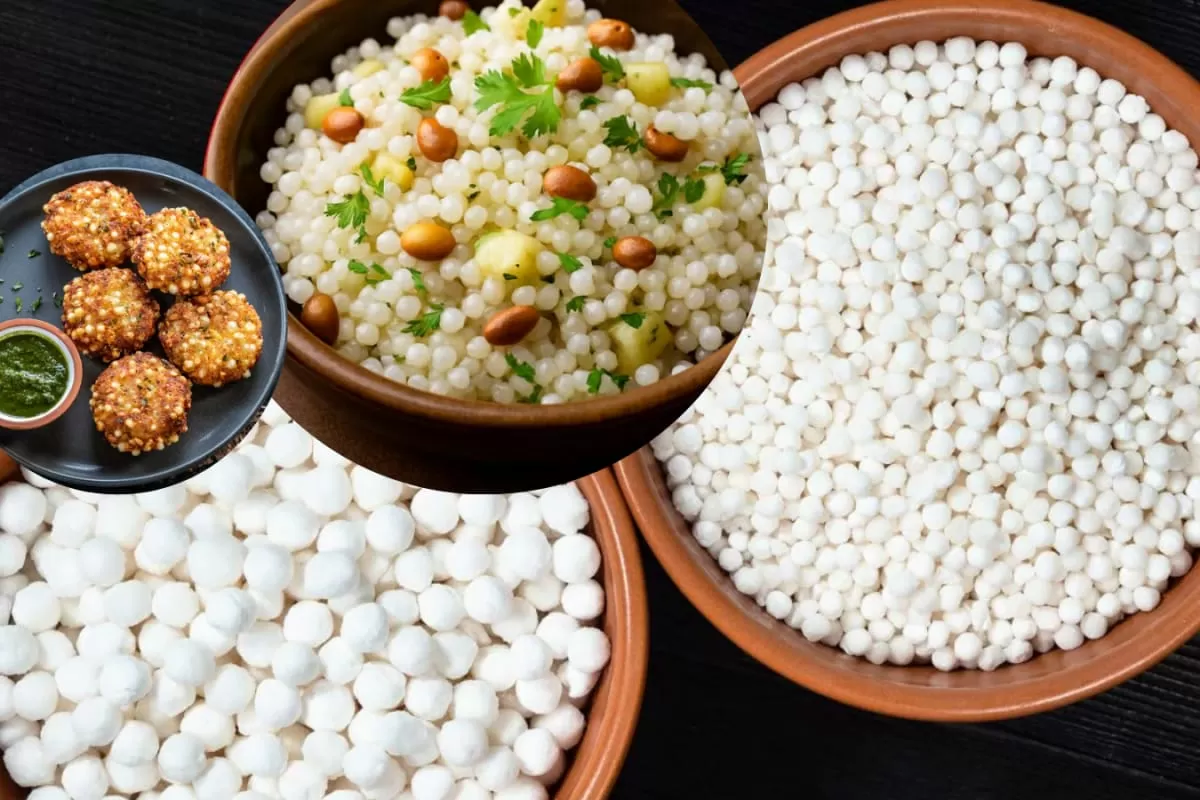
Navratri is a nine-day festival celebrated with great fervor and enthusiasm in India. It is a time when people come together to worship the Goddess Durga and seek her blessings. Along with the spiritual aspect, Navratri is also known for its unique tradition of fasting. During this period, people abstain from consuming certain foods and follow a strict diet. However, there is often a misconception that Navratri fasting foods are unhealthy and can lead to nutritional deficiencies. As a dietician, I am here to bust this myth and explain the truth about popular Navratri fasting foods like sabudana, singhara, and rajgira.
Sabudana, also known as sago, is a popular ingredient used in Navratri fasting dishes. It is a rich source of carbohydrates and provides instant energy. However, it is often criticized for its high glycemic index, which means it can cause a sudden spike in blood sugar levels. But, this can be easily managed by pairing it with protein-rich foods like peanuts, paneer, or yogurt. This combination not only helps in balancing blood sugar levels but also provides a good amount of protein, which is essential for building and repairing tissues in the body.
Similarly, singhara, also known as water chestnut, is another commonly used ingredient during Navratri fasting. It is a good source of potassium, which helps in regulating blood pressure and maintaining electrolyte balance in the body. Singhara is also low in calories and high in fiber, making it an ideal food for weight watchers. However, it is often consumed in the form of fried chips or pakoras, which can make it unhealthy. Instead, it can be boiled, roasted, or used in dishes like singhara atta roti, which makes it a healthier option.
Rajgira, also known as amaranth, is a gluten-free grain that is widely used in Navratri fasting dishes. It is a good source of protein, iron, and calcium, making it a nutritious food choice. However, it is often consumed in the form of rajgira ladoos or puris, which can be high in calories and unhealthy. Instead, it can be used in dishes like rajgira khichdi or porridge, which are not only delicious but also provide a good balance of nutrients.
Now, the question arises, how to build a balanced fasting diet during Navratri? The key is to include a variety of foods and not rely on just one or two ingredients. A balanced fasting diet should include a combination of carbohydrates, proteins, healthy fats, and fiber-rich foods. For example, a meal can consist of sabudana khichdi, a bowl of yogurt, and a side of fruits or vegetables. This combination provides a good balance of nutrients and keeps you satiated for a longer period.
Another important aspect to keep in mind while fasting is hydration. It is essential to drink an adequate amount of water and other fluids like coconut water, lemon water, or buttermilk to prevent dehydration. It is also important to avoid sugary drinks and opt for healthier options like green tea or infused water.
In addition to the above-mentioned foods, there are many other healthy options that can be included in a Navratri fasting diet. These include fruits, vegetables, nuts, seeds, and dairy products. Fruits like apples, bananas, and pomegranates are a good source of vitamins, minerals, and antioxidants. Vegetables like pumpkin, sweet potato, and bottle gourd are rich in fiber and provide a feeling of fullness. Nuts and seeds like almonds, walnuts, and pumpkin seeds are a good source of healthy fats and protein. Dairy products like milk, yogurt, and paneer provide essential nutrients like calcium and vitamin D.
In conclusion, Navratri fasting foods can be healthy if consumed in the right way and in moderation. It is important to include a variety of foods and not rely on just one or two ingredients. It is also crucial to stay hydrated and avoid unhealthy food choices. As a dietician, I would like to remind everyone that fasting is not just about abstaining from certain foods, but it is also about cleansing the mind, body, and soul. So, let us embrace this tradition with a positive attitude and make healthy food choices to nourish our bodies during this auspicious time. Happy Navratri!
