
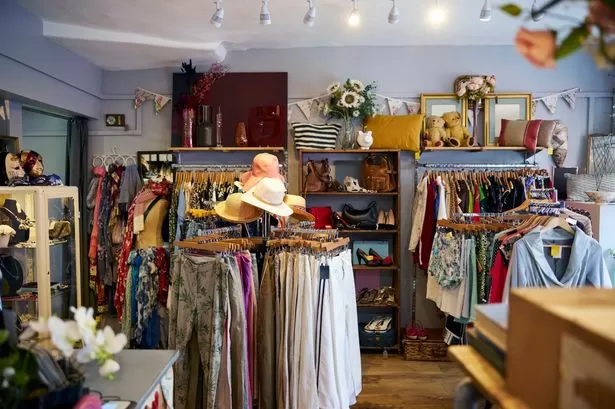
Charity shops have become a popular destination for shoppers looking for unique and reasonably priced items. Not only do these stores offer a wide range of products, but they also support a good cause. However, a recent plea from a volunteer has urged people to think twice before donating certain items.
For years, charity shops have played a crucial role in raising funds for various causes and organizations. They rely heavily on donations from individuals, and these donations are vital in keeping the shops running and supporting their respective causes. The generosity of people in donating their unwanted items has been a major factor in the success of charity shops.
However, one volunteer has come forward to shed light on a concerning issue that has been affecting charity shops. Kate, a long-time volunteer at a local charity shop, has noticed a growing trend of people donating unusable and broken items. These items not only take up valuable storage space but also require time and effort to sort through and dispose of properly.
In a recent interview, Kate shared her experience of spending hours sorting through bags of donations only to find a large number of unusable items, such as torn or stained clothing, broken appliances, and expired food products. This not only adds to the workload of the volunteers but also creates a financial burden for the charity shop as they have to pay for proper disposal of these items.
While donations are always appreciated, Kate urges people to think about the condition of the items they are donating. She suggests that if an item cannot be used or fixed, it is better to dispose of it properly rather than donating it to a charity shop. Not only does this save time and effort for the volunteers, but it also ensures that the shop receives quality items that can be sold and generate revenue for the cause.
Moreover, Kate also highlighted the importance of donating items that are in good condition. Often, people tend to donate items that are old or worn out, thinking that someone else could make use of them. However, this can have a negative impact on the shop’s reputation and discourage potential customers from shopping there. Instead, she encourages people to donate items that are in good, usable condition, as this will attract more customers and generate more funds for the charity.
It is also important to remember that charity shops are not a dumping ground for unwanted items. These shops are run by dedicated volunteers who put in a lot of time and effort to ensure the smooth running of the store. Donating unusable or broken items not only creates extra work for them, but it also takes away from the true purpose of these shops – to raise funds for a good cause.
In conclusion, charity shops play a vital role in supporting various causes and organizations. They rely on the generosity of people in donating items that can be sold and generate revenue. However, it is equally important to donate items that are in good condition and usable. Let us remember the words of Kate, and think twice before donating items that are not suitable for sale. By doing so, we can help charity shops continue their good work and make a positive impact in our communities. So, the next time you clean out your closet or declutter your home, think about the items you are donating and make a conscious effort to donate only what is truly usable. Your small act of kindness can make a big difference in the success of charity shops and the causes they support.
