
In recent years, Europe has seen a significant increase in migration and asylum seekers, resulting in heated debates and political tensions. While many European countries have embraced a globalist approach and opened their borders to those seeking refuge, a growing number of politicians are pushing back against this trend. These leaders are taking a stand against illegal immigration, asylum acceptance, and particularly against allowing Islamists into their countries.
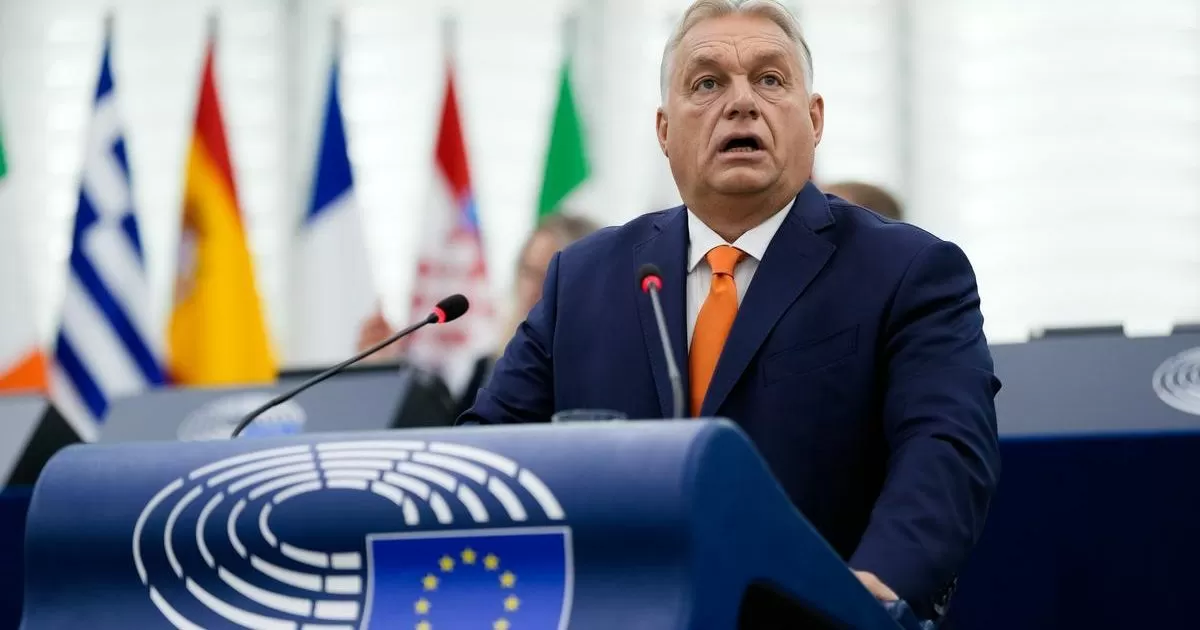
The rise of right-wing populism and anti-immigrant sentiment has been a dominant force in European politics, with leaders such as Hungary’s Viktor Orban, Italy’s Matteo Salvini, and France’s Marine Le Pen gaining popularity by promising to protect their countries from the perceived threat of mass migration. These leaders have been vocal in their criticism of the European Union’s open-door policy and have called for stricter border control measures.
One of the main concerns of these leaders is the influx of illegal immigrants and the strain it puts on their countries’ resources. The massive numbers of migrants arriving at Europe’s shores have overwhelmed many countries, leading to overcrowded refugee camps and stretched public services. This has not only caused economic strain but has also raised security concerns, as it becomes difficult to properly screen and track individuals entering the country.
Moreover, the issue of asylum acceptance has also been a point of contention for these leaders. While they acknowledge the need to provide refuge to those fleeing war and persecution, they argue that this should not come at the cost of their own citizens’ safety. They believe that the current system of accepting asylum seekers without proper vetting and integration programs is a threat to their countries’ cultural identity and social cohesion.
But perhaps the most significant concern for these leaders is the rise of Islamic extremism. The recent terrorist attacks in Europe have highlighted the danger posed by radicalized individuals, many of whom have entered the continent as refugees or migrants. These leaders argue that allowing large numbers of Muslims into their countries without proper screening and integration only increases the risk of radicalization and poses a threat to national security.
In response to these concerns, some European countries have taken steps to tighten their immigration policies. Hungary, for example, has built a border fence and introduced laws to criminalize illegal entry and support for illegal immigration. Italy has also implemented stricter measures, such as closing its ports to migrant rescue ships and introducing a new law that makes it easier to deport migrants who commit crimes.
These efforts have been met with criticism from human rights groups and other European leaders who accuse these countries of violating international laws and turning a blind eye to the plight of refugees. However, the leaders pushing back against migration and Islamic extremism argue that their priority is to protect their citizens and ensure the safety and stability of their countries.
It is essential to note that these leaders are not anti-immigrant or anti-refugee. They recognize the need to provide aid and support to those in need, but they also believe in the importance of a controlled and orderly immigration system. They argue that their countries have the right to determine who enters and lives within their borders, and that this should be done in a way that benefits both the migrants and the host country.
In conclusion, while Europe as a whole remains committed to a globalist approach to migration, the rise of leaders pushing back against this trend is a significant development. These leaders are not afraid to challenge the status quo and are standing up for the interests of their countries and citizens. Whether their policies will prove effective in addressing the complex issue of migration and Islamic extremism remains to be seen. However, their actions have sparked an important debate and brought attention to the need for a comprehensive and balanced approach to this pressing issue.
