
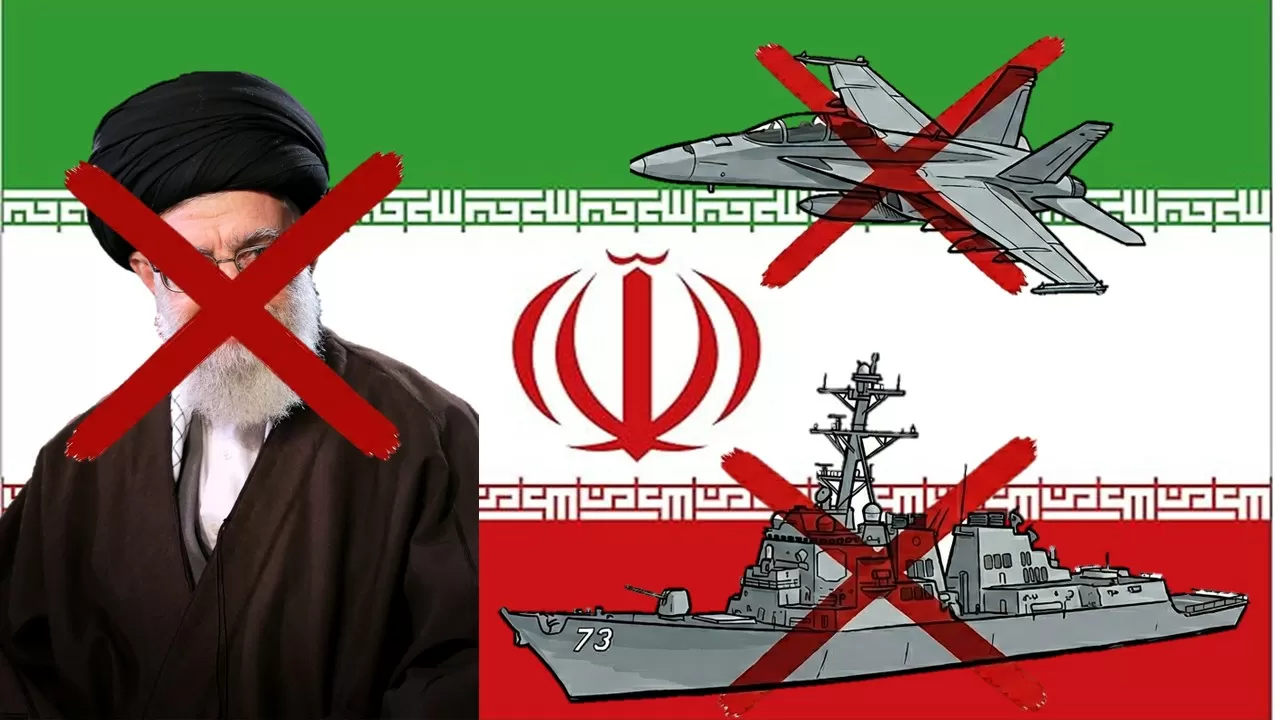
In recent weeks, we have seen a surge in pro-Iranian propaganda and biased media coverage surrounding the ongoing tensions between the United States and Iran. Despite the fact that Iran’s leaders are dead, its navy has been significantly weakened, and the country is facing severe economic sanctions, the media continues to paint a picture of President Trump as the one who is losing in this conflict. This narrative is not only false, but it also undermines the efforts of the United States to promote peace and stability in the region.
First and foremost, let us address the issue of Iran’s leaders. Just a few months ago, the world witnessed the death of Qasem Soleimani, the notorious commander of Iran’s Quds Force. Soleimani was responsible for countless acts of terror and violence, not only in the Middle East but also in other parts of the world. His death was a significant blow to Iran’s military capabilities and a major victory for the United States. Yet, the media seems to have conveniently forgotten this fact and instead chooses to focus on the supposed loss of Iran’s leadership.
Furthermore, Iran’s navy has also suffered a significant blow in recent months. In April, a friendly fire incident resulted in the sinking of one of Iran’s own warships, killing 19 sailors. This incident highlights the incompetence and lack of training within Iran’s military. It also serves as a reminder that Iran’s navy is no match for the advanced and well-equipped U.S. Navy. Despite this, the media continues to portray Iran as a formidable opponent, downplaying the capabilities of the United States.
But perhaps the most concerning aspect of the media’s coverage of the U.S.-Iran tensions is the blatant pro-Iranian bias. It is no secret that Iran has a long history of sponsoring terrorism and destabilizing the region. The country has also repeatedly violated international agreements and has been developing its nuclear program in secret. Yet, the media chooses to ignore these facts and instead portrays Iran as the victim in this conflict. This not only distorts the truth but also undermines the efforts of the United States to hold Iran accountable for its actions.
It is essential to understand that the United States does not seek war with Iran. In fact, President Trump has repeatedly stated his desire for a peaceful resolution to the ongoing tensions. The U.S. has taken a measured and strategic approach, imposing economic sanctions to pressure Iran into changing its behavior. These sanctions have been effective, causing Iran’s economy to shrink by nearly 10% in 2019. This is a clear indication that the U.S. is winning in this conflict, despite what the media may want us to believe.
Moreover, the U.S. has also taken steps to protect its allies in the region, such as deploying additional troops and military equipment to the Middle East. This is a responsible and necessary action to ensure the safety and security of our allies and to deter any further aggression from Iran. Yet, the media chooses to portray these actions as aggressive and provocative, further perpetuating the false narrative of the U.S. being the aggressor in this conflict.
In conclusion, it is evident that the media’s coverage of the U.S.-Iran tensions is heavily biased and serves to promote pro-Iranian propaganda. The truth is that Iran’s leaders are dead, its navy is weakened, and the country is facing severe economic sanctions. The United States, on the other hand, remains strong and determined to promote peace and stability in the region. It is time for the media to stop spreading false narratives and start reporting the facts. The U.S. is winning in this conflict, and it is essential for the media to acknowledge and support these efforts.
